

 By Global Arena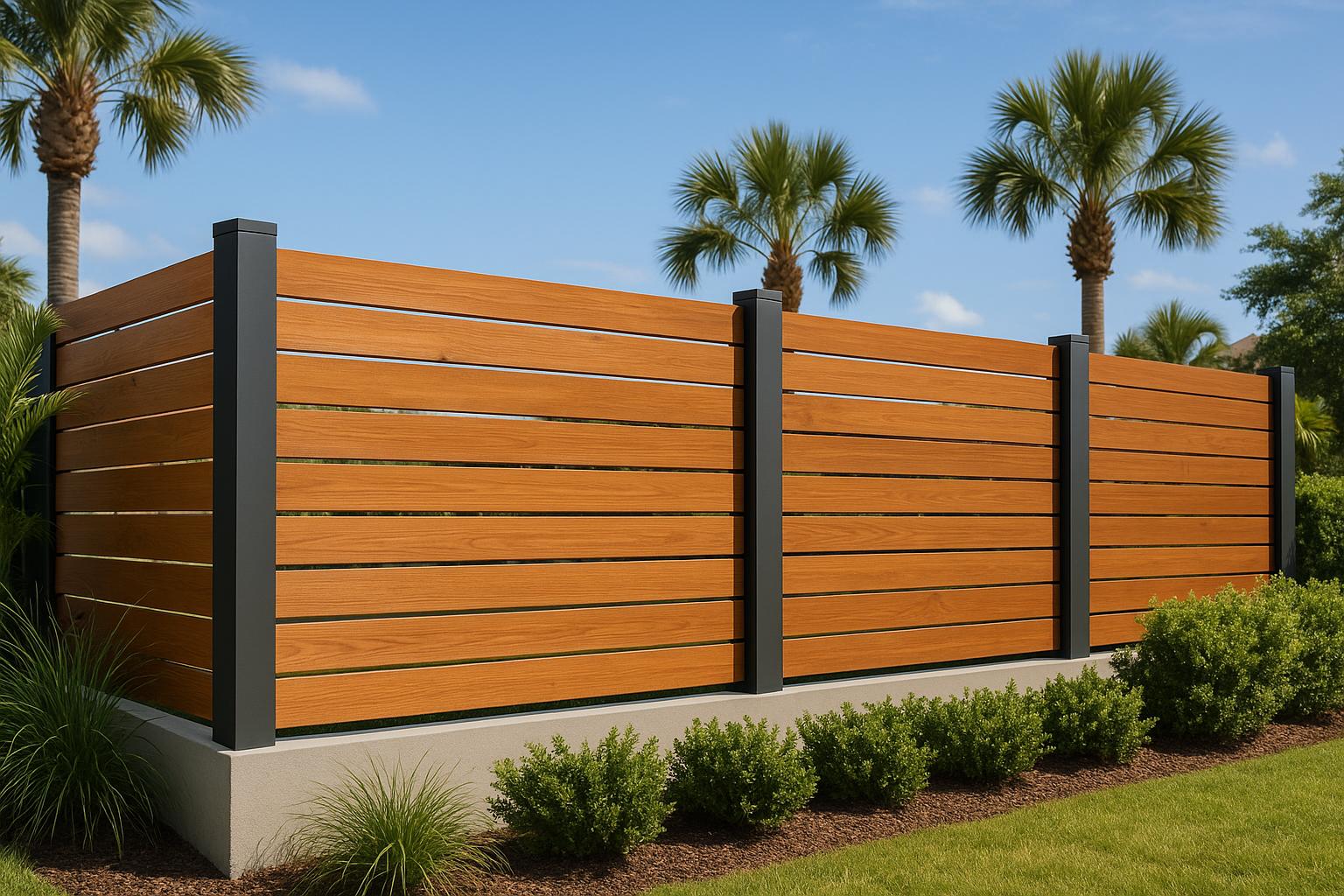
Choosing a fence is one of those decisions that seems simple on the surface until you’re actually standing in your backyard trying to weigh your options. You want something that looks good, holds up to the weather, fits your budget, and makes sense for your property. In the Charleston Tri-County area, that last part matters more than people realize. The humidity, the salt air closer to the coast, the sandy soil in some neighborhoods — all of it affects how different fence materials perform over time.
At FenceCraft, we work with homeowners across Berkeley, Charleston, and Dorchester counties, and we see the same questions come up again and again. Which material lasts longest? What gives the most privacy? Is there anything low-maintenance that still looks sharp? This guide walks through three of the most popular fencing options we install — wood, aluminum, and living fences — so you can go into the process with a clearer picture of what fits your situation.
Wood Fencing: Warmth, Privacy, and That Classic Lowcountry Look
There is a reason wood has been the go-to fencing material for decades. It works. A well-built wooden fence gives you real privacy, a natural look that blends into almost any yard, and the flexibility to customize it exactly how you want — height, style, stain color, spacing between boards. For homeowners who want something that feels intentional rather than purely functional, wood delivers in a way that vinyl or chain link often does not.
Privacy Where You Need It Most
The most common style we install is the classic privacy fence — solid boards set close together, usually six feet tall, that give you a genuine sense of separation from neighboring properties. In neighborhoods where lots run close together, this kind of barrier makes a real difference in how you use your outdoor space. Families with children or pets especially tend to prioritize this. When you can let the kids out back without worrying about the street or neighboring yards, the whole dynamic of your home changes.
Wood Species Matter in the Lowcountry
Not all wood is the same, and in this climate, the species you choose matters a lot. Pressure-treated pine is the most common choice and handles moisture reasonably well when properly sealed. Cedar is a step up — naturally resistant to rot and insects, with a look that weathers gracefully over time. Some homeowners opt for redwood or tropical hardwoods for high-end applications, though cost goes up accordingly.
Whatever species you go with, a wooden fence in the Charleston area does need regular maintenance. A good stain or sealant applied every few years keeps moisture from working its way into the wood and dramatically extends the life of the fence. Skipping that upkeep is the main reason wooden fences fail prematurely around here. With the right care, a quality wood fence can easily last fifteen to twenty years or more.
Design Flexibility That Other Materials Can’t Match
One underrated benefit of wood is how much you can do with it stylistically. Picket fences, shadow box designs, board-on-board construction, horizontal slat styles — all of it is achievable with wood. You can also mix elements, like a solid privacy section along the back of the property paired with a lower decorative picket fence along the front. That kind of customization is harder to pull off with manufactured materials.
Aluminum Fencing: Low Maintenance, Long Life, Reliable Curb Appeal
If the idea of periodic staining and sealing sounds unappealing, aluminum fencing is worth a serious look. It is one of the most durable options available for residential properties, and once it is installed, it largely takes care of itself. For homeowners who travel frequently, have limited time for outdoor upkeep, or simply want to set it and forget it, aluminum tends to be a very satisfying choice.
Built to Handle Coastal Conditions
This is where aluminum genuinely stands apart from iron and steel alternatives. Aluminum does not rust. In an area like the Charleston coast where salt air accelerates corrosion on metal surfaces, that is a significant advantage. A powder-coated aluminum fence will hold its finish for years without the chipping, flaking, and rust streaks that can plague wrought iron installations in humid coastal environments.
Cleaning is straightforward — an occasional rinse with a garden hose removes most dirt and buildup. There is no painting, staining, or sealing required. For homeowners who have gone through the cycle of maintaining a wood or iron fence, that simplicity is a genuine relief.
Aesthetics That Elevate a Property’s Appearance
Aluminum fencing has come a long way from the plain institutional-looking styles of the past. Modern aluminum fence systems are available in a wide range of styles, from traditional ornamental designs that mimic the look of wrought iron to cleaner contemporary profiles. Black is the most popular finish, but bronze, white, and custom colors are available as well.
From a curb appeal standpoint, aluminum tends to open up a property visually rather than enclosing it. Along the front of a home or around a pool, that openness works well — it defines the space and adds a polished look without making the yard feel boxed in. Many of our clients in Mount Pleasant and Summerville use aluminum along the front and sides of their property and then transition to a wood privacy fence along the back where seclusion matters more.
Pool Codes and Safety Compliance
If you have a pool or are planning to install one, fencing is not just a preference — it is a code requirement. Aluminum is one of the most popular materials for pool enclosures in our area because it meets safety requirements, holds up to pool chemicals and splashing, and looks sharp around water features. When we install pool fencing, we make sure every gate meets self-latching and self-closing requirements so homeowners are fully covered from a code compliance standpoint.
Living Fences: A Natural Approach to Privacy and Boundaries
Living fences are exactly what they sound like — plantings used to create a natural barrier along a property line or around a yard. They are not the right fit for every situation, but for homeowners who want to soften the look of their property, add greenery, support local wildlife, or simply try something different, a living fence offers benefits that manufactured materials simply cannot.
What Grows Well in the Charleston Tri-County Area
The Lowcountry’s warm climate and long growing season work in favor of living fences. Several species perform particularly well here. Wax myrtle is a native shrub that grows quickly and densely, tolerates coastal conditions, and requires minimal care once established. Leyland cypress is another popular option for homeowners who want tall, fast-growing privacy — under the right conditions, it can add several feet of height per year. Loropetalum provides a more ornamental look with interesting foliage and occasional blooms.
Bamboo is sometimes considered for living fences but needs to be approached carefully in this region. Clumping bamboo varieties are manageable, but running bamboo can spread aggressively and become difficult to control. If you are drawn to bamboo aesthetically, it is worth discussing the specifics with a professional before committing.
Environmental and Ecological Benefits
A living fence does more than mark a boundary. It filters noise, provides wind buffering, offers habitat for birds and pollinators, and contributes to the overall health of your yard’s ecosystem. In neighborhoods where tree canopy has been lost to development, a well-planted living fence can begin to restore some of that ecological function over time. For homeowners who care about sustainability and native landscaping, a living fence aligns naturally with those values.
There is also something to be said for how a living fence looks as it matures. A row of well-maintained wax myrtle or loropetalum becomes a genuine landscape feature, not just a boundary marker. It gives a property a sense of age and character that planted materials simply develop over time and manufactured fences do not.
Patience and Planning Are Required
The main trade-off with living fences is time. Unlike installing a wood or aluminum fence, planting a living fence does not give you immediate privacy or a defined boundary on day one. Depending on the species and how established the plants are when installed, it can take anywhere from one to several years to achieve the density you are looking for. During that establishment period, the plants also need watering and occasional care.
Some homeowners combine a traditional fence with a living fence — a wood or aluminum structure that provides immediate function while the plantings fill in around it. This hybrid approach is popular when someone wants a natural look long-term but also needs to contain pets or establish a clear boundary right away.
How to Think About the Right Choice for Your Property
Most homeowners find that one or two of these options rise to the top pretty quickly once they think through their priorities. A few questions are worth sitting with before you make a decision.
How much privacy do you actually need? If you have close neighbors and want to feel genuinely screened from view, wood is the most reliable immediate solution. Aluminum gives you boundary definition and looks polished but does not block sightlines. A living fence can eventually provide dense coverage but takes time to get there.
How much maintenance are you willing to do? Aluminum wins on this front without question. Wood requires ongoing care to stay in good condition. Living fences need attention during establishment and periodic trimming once mature. None of these are burdensome in absolute terms, but they are different commitments.
What is the purpose of the fence? Containing pets or kids, defining a property line, managing noise, adding privacy, improving curb appeal, meeting a pool code requirement — the primary purpose should drive the material choice. A fence that looks beautiful but does not do the job you need is a frustrating result.
What does the neighborhood look like? In some Charleston Tri-County communities, HOA guidelines restrict certain materials or styles. Beyond that, a fence that complements the architecture and landscaping of the surrounding area tends to look more intentional and adds more value than one that feels out of place.
Working With FenceCraft in the Charleston Area
At FenceCraft, we handle residential fencing projects throughout the Tri-County area — from Mount Pleasant and Daniel Island to Summerville, Goose Creek, and the Charleston peninsula. Every property is a little different, and we take time to understand what you are actually trying to accomplish before we start talking materials and timelines.
Whether you are leaning toward a cedar privacy fence, an ornamental aluminum enclosure, or something more creative that incorporates living elements, we can help you think it through and give you an honest picture of what fits your property and your budget. The goal is always a fence you will be glad you chose five years from now — not just one that looked good in the brochure.
Reach out to FenceCraft to schedule a consultation or get a quote. We are happy to come take a look at your property and walk you through your options in person.
 Khubaib Jamil