

 By Global Arena
Singapore is one of the only countries in the world with four official languages: English, Mandarin, Malay, and Tamil. Add the languages spoken by the city-state’s substantial expat community — Tagalog, Bahasa Indonesia, Thai, Japanese, Korean — and you have a customer base that communicates in at least a dozen languages on any given day.
For large corporations and government agencies, this has always been manageable. SingTel, DBS, and NTUC employ multilingual support teams. But for the 280,000 SMEs that form the backbone of Singapore’s economy — the dental clinic in Tampines, the renovation contractor in Jurong, the bubble tea chain expanding from Bugis to Clementi — serving customers in multiple languages has been an unsolvable problem. Until now.
The Gap Nobody Talks About
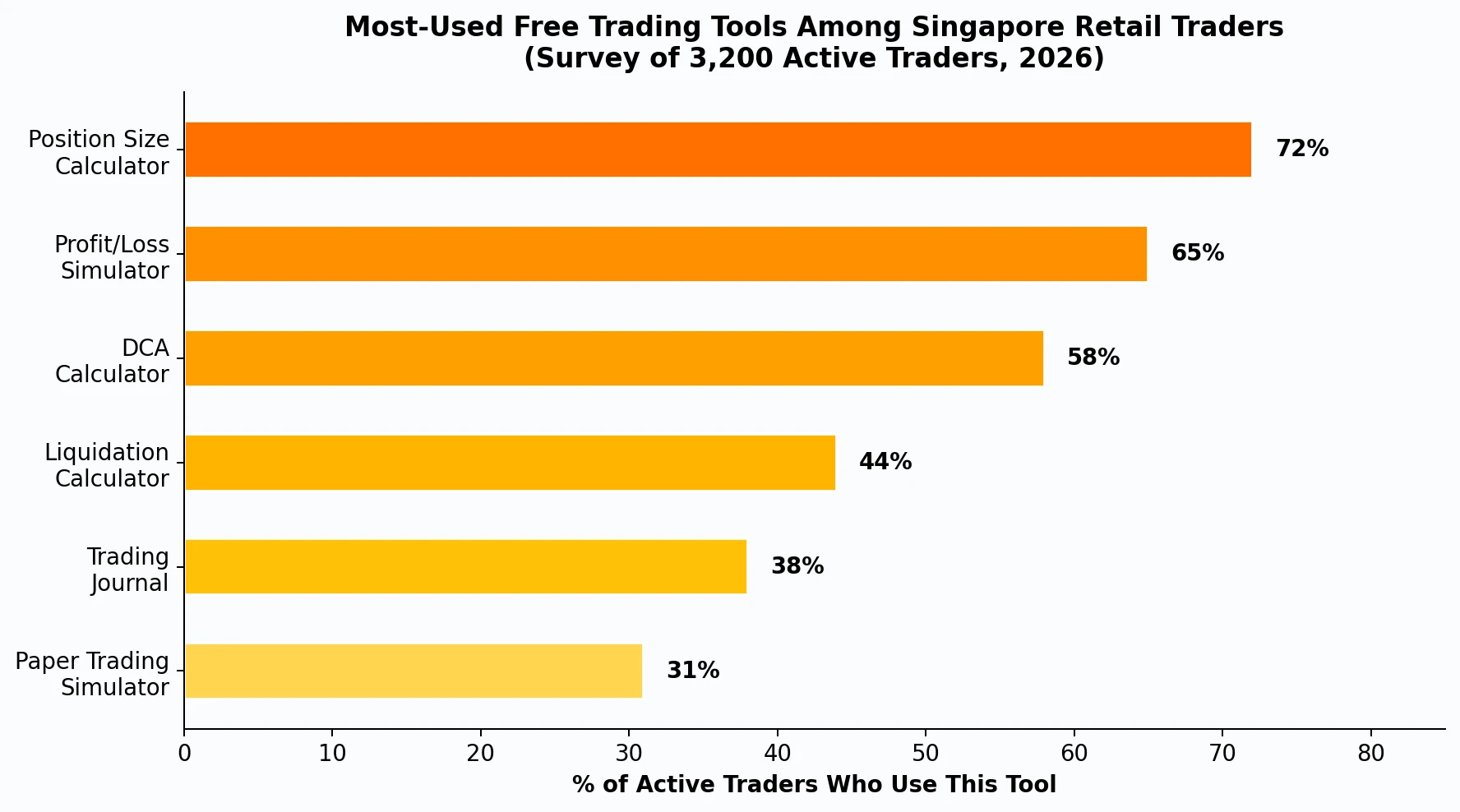
Here is a number that should concern every Singapore business owner: while 48% of Singapore residents speak Mandarin as their primary home language, only 35% of Singapore businesses offer customer support in Mandarin. For Malay, the gap is even wider — 13% of the population speaks Malay at home, but only 12% of businesses provide Malay-language support. For Tamil, the support coverage drops to just 5%.
In practical terms, this means that millions of Singapore residents — citizens, not tourists — regularly interact with businesses that cannot communicate with them in their preferred language. They muddle through in English, miss nuances, feel underserved, and sometimes take their business elsewhere.
The economic impact is substantial. Research consistently shows that customers who interact with businesses in their preferred language spend 20-30% more, are 2.4 times more likely to make a repeat purchase, and leave positive reviews at three times the rate of customers served in a second language. For a Singapore SME competing on service quality, this language gap is not a minor inconvenience — it is a revenue leak.
Why Hiring Could Never Solve This
The traditional solution — hire multilingual staff — has never worked at the SME level, and in Singapore’s tight labour market, it is becoming less viable every year.
A customer service representative fluent in English and Mandarin commands a salary premium of 15-25% over a monolingual hire. Adding Malay or Tamil capability requires either a separate hire or a rare trilingual candidate who can demand even higher compensation. For an SME with three to five staff members, dedicating one position to multilingual customer support is a disproportionate expense — especially when peak support demand is unpredictable and often falls outside business hours.
The math simply does not work. A Toa Payoh bakery that serves customers in English, Mandarin, and Malay would need at least two dedicated staff members to cover language needs during operating hours, and zero coverage after closing. The annual cost exceeds $80,000 — more than most SME customer service budgets in total.
The AI Chatbot Solution That Actually Works
The reason AI chatbots have gone from gimmick to necessity for Singapore SMEs is that modern chatbot technology has solved the three problems that made earlier chatbots useless: language understanding, domain knowledge, and response quality.
First, language understanding. Modern AI chatbots do not translate — they understand. A customer typing in Mandarin is not being served by a system that translates their question to English, finds an answer, and translates it back. The AI processes Mandarin natively, understands the intent, and generates a response in natural Mandarin. The difference in quality is immediately apparent to the customer.
Second, domain knowledge. A multilingual AI chatbot deployed on a Singapore business website does not start from zero. It ingests the entire website — product pages, pricing, FAQ, policies — and uses that content as its knowledge base. When a customer asks about delivery times in Tamil, the chatbot draws from the same information a human agent would use, but delivers it instantly and in the customer’s language.
Third, voice capability. The latest generation of AI chatbots does not just type — it speaks. For Singapore’s older population, who may be more comfortable with voice interaction than text, and for customers using mobile devices while on the go, voice-enabled chatbots remove the friction of typing entirely.
Real Results From Singapore Businesses
The data from Singapore SMEs that have implemented AI chatbots tells a consistent story. Average customer response time drops from hours to seconds. After-hours lead capture — which previously meant lost business — jumps to 34% of total leads. Support ticket resolution without human intervention reaches 72%. And conversion rates improve by 15-60%, depending on the industry and implementation quality.
For a Singapore e-commerce business processing 500 customer enquiries per month, these numbers translate to roughly 360 enquiries handled automatically, 140 requiring human attention (down from 500), and a meaningful increase in sales from customers who would previously have abandoned the site rather than wait for a response.
But the most significant impact is the one that is hardest to quantify: the customers who would have left because they could not communicate comfortably. The grandmother in Toa Payoh who can now ask about a product in Mandarin. The Tamil-speaking family in Little India comparing renovation quotes. The Malay-speaking customer in Tampines checking business hours before making a trip. These are customers that most Singapore SMEs were losing silently, every day, without knowing it.
What to Look for in a Multilingual Chatbot
Not all chatbot solutions are equally suited to Singapore’s unique linguistic environment. The features that matter most for local businesses are:
- Native multilingual support (not translation): The chatbot should understand and respond in each language natively, including Singlish and code-switching, which are common in Singapore’s informal communication. A system that only translates will miss the cultural and linguistic nuances that make conversations feel natural.
- Voice and text in all supported languages: Customers should be able to speak or type in any language and receive a response in the same mode. Voice support is particularly important for older demographics who prefer speaking over typing.
- Automatic language detection: The customer should never need to select a language from a dropdown menu. The chatbot should detect the language from the first message and respond accordingly, switching seamlessly if the customer changes language mid-conversation.
- Setup in hours, not weeks: A modern AI chatbot should be able to ingest your website and become operational within a day. If a vendor quotes weeks of implementation time, their technology is likely rule-based rather than AI-powered.
The Competitive Window
AI chatbot adoption among Singapore SMEs is still in the early stages — roughly 15% of SMEs have implemented one as of early 2026. This means there is a clear first-mover advantage for businesses that adopt early, particularly in industries where customer service quality directly drives revenue: F&B, healthcare, education, retail, and professional services.
Singapore’s customer base is multilingual by default. The businesses that serve them should be too. For the first time, the technology exists to make that possible at SME budgets and SME timelines — no additional hires, no training costs, no coverage gaps. The only remaining question is how quickly Singapore’s SMEs will close the gap between what their customers need and what they currently provide.