High tea is a traditional British meal combining tea with hearty food, typically served in the early evening. Unlike afternoon tea, which is often associated with delicate pastries and light snacks, high tea originated as a practical evening meal for working-class families. The term “high” refers to the dining table height where the meal was served. Over time, high tea evolved into an elegant social experience, but its roots remain in nourishment and family gatherings.
High tea traditionally includes filling foods such as bread, meat, eggs, pies, and vegetables, accompanied by strong brewed tea. This combination provided energy after long working hours and became an essential part of daily life. Today, the term “high tea” is often used in luxury hotels and restaurants to describe an elaborate tea experience with sweet and savory items arranged on tiered trays.
Historical Background of High Tea
High tea originated during the Industrial Revolution in Britain, when working-class families required a substantial meal after labor-intensive days. Unlike upper-class households, which enjoyed afternoon tea as a light social activity, working families needed a meal that was both filling and practical.
Common dishes included bread, butter, cold meats, cheese, eggs, pies, and seasonal vegetables. Tea was central to the meal, providing warmth and a comforting ritual after work. Over time, high tea became more than a meal; it represented a moment of relaxation and family bonding at the end of a busy day.
The evolution of high tea highlights the contrast between social classes. While aristocrats consumed delicate teas and pastries in the afternoon, high tea served both nourishment and convenience, emphasizing the functional aspect of dining over luxury.
Difference Between High Tea and Afternoon Tea
Understanding the difference between high tea and afternoon tea is essential for both cultural and culinary clarity.
Timing and Purpose
Afternoon tea is typically served between three and five in the afternoon and focuses on light refreshments. High tea is served later, around five to seven, and provides a complete meal.
Food and Presentation
Afternoon tea includes finger sandwiches, scones with cream and jam, pastries, and light cakes. High tea features substantial items like pies, bread with toppings, eggs, cold meats, and sometimes hot dishes.
Setting and Atmosphere
Afternoon tea is often served on low tables in a social setting, emphasizing elegance and refinement. High tea occurs at standard dining tables with a more functional layout, highlighting practicality.
Social Context
Afternoon tea catered to the aristocracy and social elites, while high tea was a staple for the working class, blending nourishment with family gatherings.
Traditional High Tea Menu
A traditional high tea menu balances hearty and satisfying foods with tea as the centerpiece.
Staple Items
- Bread and butter
- Cold meats such as ham or roast beef
- Eggs, either boiled or in simple salads
- Savory pies or pastries
Vegetables and Pickles
- Pickled cucumbers, onions, or beetroot
- Seasonal vegetables like carrots or peas
Sweet Items
- Simple cakes or biscuits
- Fruit tarts occasionally included as a dessert
Tea Selection
- Strong black teas, such as English Breakfast or Earl Grey
- Herbal infusions for lighter options
Traditional high tea focused on simplicity and sustenance, contrasting modern interpretations that emphasize luxury and presentation.
Modern High Tea Experiences
In contemporary hospitality, high tea has transformed into a sophisticated social and culinary event.
Luxury Hotels and Tea Rooms
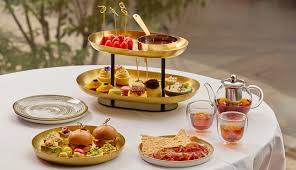
High tea offerings often feature tiered trays filled with mini sandwiches, scones with clotted cream, pastries, and desserts. Specialty teas with unique blends complement the menu.
Creative Twists
Some venues experiment with themed high tea menus, including chocolate variations, seasonal flavors, or international ingredients. Tea blends may include floral, fruity, or herbal notes to enhance the experience.
Visual Appeal
Elegant tableware, decorative plates, and tiered serving trays elevate the experience. Soft lighting, music, and floral arrangements contribute to the overall atmosphere, making high tea not just a meal but an immersive event.
Essential Elements for Hosting High Tea
Hosting a high tea gathering at home requires careful planning and attention to detail.
Table Setup
- Tiered trays for food presentation
- Teapots, teacups, milk, and sugar
- Decorative elements like flowers or table linens
Food Balance
- Include both savory and sweet items
- Mini sandwiches with varied fillings
- Pastries, scones, cakes, and biscuits
Beverage Selection
- Offer multiple tea options: black, green, and herbal
- Ensure teas are freshly brewed and served at the correct temperature
Atmosphere
- Soft background music enhances the experience
- Proper lighting and clean table presentation add a sense of occasion
Tea Pairing Tips
Pairing tea with food enhances flavor and enjoyment.
Savory Dishes
- Strong black teas complement meat pies and sandwiches
- Herbal teas pair well with salads and lighter bites
Sweet Dishes
- Earl Grey or Darjeeling teas enhance the taste of scones and pastries
- Fruity or floral teas provide contrast with chocolate or rich desserts
Temperature and Serving
- Serve black teas hot with milk or sugar
- Herbal teas can be slightly cooler and served without additives
Pairing tea thoughtfully ensures guests enjoy a harmonious balance between flavors and aromas.
Hosting a Memorable High Tea at Home
Creating a memorable high tea requires planning, creativity, and attention to detail.
Step 1: Menu Planning
- Choose a combination of savory and sweet items
- Prepare some dishes in advance to reduce stress
Step 2: Table Arrangement
- Use tiered trays for visual impact
- Arrange teapots, cups, and cutlery neatly
Step 3: Ambience
- Consider soft music, candles, or flowers
- Ensure comfortable seating for guests
Step 4: Timing
- Serve tea around early evening hours
- Maintain a relaxed pace for conversation and enjoyment
High Tea Etiquette
Even in casual settings, certain etiquette enhances the high tea experience.
Serving and Drinking Tea
- Pour tea gently to avoid spills
- Hold the cup by the handle, not the rim
- Stir quietly and avoid clinking spoons
Food Etiquette
- Eat small bites to maintain comfort during conversation
- Use napkins as needed and place them on the lap
- Offer food options evenly across all guests
Guest Interaction
- Encourage conversation and inclusivity
- Maintain a relaxed and pleasant atmosphere
Creative High Tea Menu Ideas
Modern hosts can create unique high tea experiences with creativity and personalization.
Savory Ideas
- Mini quiches, tarts, or stuffed vegetables
- Gourmet finger sandwiches with smoked salmon, cucumber, or egg salad
Sweet Ideas
- Fruit tarts, macarons, or chocolate pastries
- Seasonal desserts with fresh ingredients
Themed High Tea
- Garden tea party with floral decorations
- Vintage-style tea with classic dishes
- Seasonal celebration highlighting local produce
Creative menus add variety and make the high tea memorable for guests.
Why High Tea Remains Popular
High tea continues to attract attention because it blends culinary enjoyment with social connection.
Cultural Significance
- Reflects British heritage and tradition
- Celebrates hospitality and shared experiences
Social Connection
- Offers a slow-paced, relaxed environment
- Encourages conversation and bonding
Culinary Enjoyment
- Provides opportunities to explore flavors and presentations
- Balances sweet and savory dishes with carefully chosen teas
High tea’s enduring popularity lies in its combination of culture, food, and meaningful social interaction.
Global Variations of High Tea
High tea has spread beyond Britain, with adaptations in different countries.
Asia
- Incorporates local pastries and teas
- Emphasizes visual presentation and themed experiences
Middle East
- Offers elaborate sweet and savory dishes
- Combines tea rituals with luxury dining
Australia and New Zealand
- Blends traditional British recipes with local ingredients
- Modern tea rooms often provide seasonal and artisanal foods
These global variations demonstrate high tea’s versatility and cultural appeal.