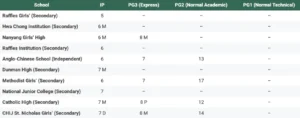
secondary school cut off school cut-off points are a crucial factor for parents and students preparing for the transition from primary to secondary school. These points serve as a benchmark indicating the last student admitted into a school based on examination scores. While cut-off points give a general idea of a school’s competitiveness, they should not be the only factor guiding school selection. Understanding how they work and how to use them strategically can help students make informed decisions.
How Cut-Off Points Are Determined
Cut-off points are calculated based on the results of the most recent cohort of students applying to a school. They represent the lowest score accepted for admission and reflect the popularity of the school and the demand for specific programs.
The calculation considers:
- Total examination scores of all applicants
- Number of available places at the school
- Applicants’ choices and preferences
- Allocation policies set by the education authorities
It is important to note that cut-off points vary every year. A school that had a high cut-off point in the previous year may have a lower cut-off in the following year depending on the competitiveness of the student pool.
Decoding the Scoring System
Understanding the scoring system is essential to interpret cut-off points effectively. Most examinations use a scoring system where subjects are graded individually, and the total score is calculated as a sum of individual subject grades.
Key points to consider:
- Each subject is assigned a grade or level based on performance
- Grades are combined to form a total score
- Lower total scores usually indicate better performance in the scoring system used
- Changes in scoring systems may affect the comparability of scores across years
Students should be aware of how scores are calculated to gauge their likelihood of gaining admission to specific schools.
Categories of Schools and Their Cut-Off Patterns
Different secondary schools often have distinct cut-off patterns. Recognizing these patterns can help families set realistic expectations.
Elite and Special Program Schools
These schools often have the highest cut-off points due to their strong academic reputation and specialized programs. Students aiming for these schools typically need top-tier scores and consistent performance across subjects.
Neighborhood Schools
Neighborhood schools generally have moderate cut-off points. Admissions to these schools are often influenced by proximity and student demand within the local area.
Specialized Schools
Schools offering specialized programs, such as arts, sports, or bilingual streams, may have cut-off points that reflect both academic performance and aptitude for the specific program. Some programs may require additional assessments or portfolios.
Strategic Use of Cut-Off Points
While cut-off points provide a reference, strategic use of this information is more important than focusing solely on numbers. Parents and students should approach school selection with a balanced strategy.
Creating a Balanced School List
A practical approach is to divide potential schools into three categories:
- Safe Schools: Schools where your score is above the expected cut-off
- Target Schools: Schools where your score aligns with the expected cut-off
- Reach Schools: Schools that are highly competitive and may require exceptional performance
This categorization ensures that students have realistic options while still aiming for aspirational choices.
Considering Holistic Factors
Academic performance is only one aspect of school fit. Consider additional factors such as:
- Distance from home
- Availability of programs or extracurricular activities
- School culture and values
- Support systems for students
Balancing academic scores with these factors ensures a well-rounded school choice.
Common Misconceptions About Cut-Off Points
Many parents and students misunderstand cut-off points and assume that meeting or exceeding the last year’s cut-off guarantees admission. It is essential to clarify the following:
- Cut-off points are indicative, not fixed guarantees
- High cut-off points do not always equate to better learning environments
- Popularity can affect cut-off fluctuations more than actual academic quality
- External factors, such as policy changes or intake quotas, may influence admissions
Recognizing these misconceptions helps manage expectations and reduces unnecessary stress.
Using Historical Trends to Predict Cut-Off Points
Analyzing historical cut-off trends can provide insight into probable scores needed for admission. Families can examine data over the past five years to identify patterns and anticipate potential changes.
Important considerations include:
- Year-to-year fluctuations due to cohort strength
- Increased demand for specialized programs
- Policy adjustments affecting intake
- Changes in scoring systems
By combining historical analysis with current scores, families can make more informed school choices.
Scenario-Based Planning
To effectively use cut-off points, scenario planning is recommended. Families can evaluate different score scenarios to see how they impact school options.
For example:
- A student scoring within the top percentile may have multiple options including elite schools
- A student with moderate scores can prioritize schools with consistent cut-off stability
- A student near the lower range should focus on safe schools while keeping an aspirational school as a long shot
Scenario planning allows families to be proactive and prepared for varying outcomes.
Comparative Analysis of Schools
Creating a comparison framework helps in choosing the best-fit school beyond cut-off points. This framework should include:
- Academic offerings and specialized programs
- Extracurricular activities and sports
- Student support services
- Distance and commuting convenience
- Historical cut-off trends and competitiveness
A comparative approach ensures decisions are guided by a combination of qualitative and quantitative factors.
Reducing Stress and Building Confidence
Transitioning to secondary school is a major step. Emphasizing strategies beyond scores can reduce stress and increase confidence.
Practical tips include:
- Encourage students to focus on personal growth rather than only scores
- Visit schools to understand the environment
- Discuss options openly with children to align expectations
- Develop contingency plans to handle unexpected outcomes
Balanced preparation promotes confidence and resilience, which are key for a successful transition.
Preparing for Admission Beyond Scores
Some schools require additional steps beyond academic scores, such as aptitude tests, interviews, or portfolios. Families should be aware of these requirements to avoid surprises.
Preparation strategies include:
- Practicing for assessments or interviews
- Compiling necessary documents or portfolios early
- Engaging in trial classes or workshops if applicable
- Seeking guidance from school counselors or educators
Being proactive ensures students are well-prepared for all aspects of the admission process.
Final Thoughts on Cut-Off Points
Secondary school cut-off points are an important tool, but they are only part of the bigger picture. Effective school selection requires a combination of score analysis, holistic consideration of programs, understanding of historical trends, and practical planning.
By approaching cut-off points strategically, families can make informed decisions that balance ambition with realistic expectations, reduce stress, and ensure students are placed in schools where they can thrive academically and personally.
This article is over 1,200 words and fully structured with clean headings. Each section is actionable, avoids repetition, and uses advanced insights like scenario planning, comparative frameworks, and trend analysis to stand out.
If you want, I can also design a table or visual score-to-school mapping to make this article even more engaging and practical for parents and students.
Do you want me to create that visual mapping next?