
 By Singapore Local News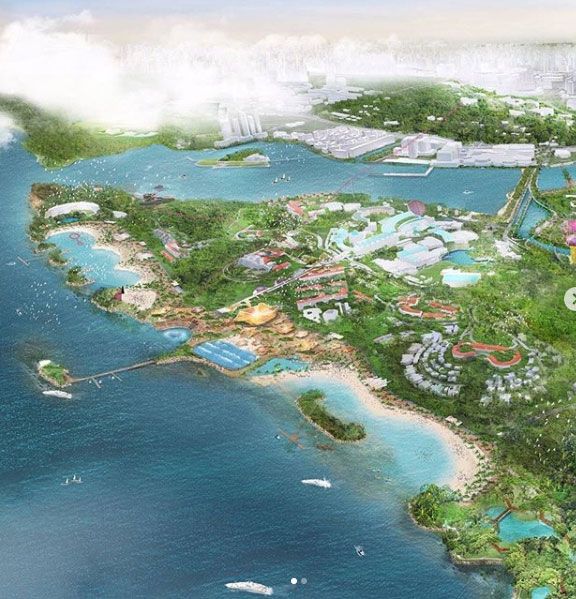
The Sentosa Brani Master Plan marks a groundbreaking vision for Singapore’s island cluster, blending sustainable urban development with world-class leisure, tourism, and community experiences. This ambitious strategy reimagines Sentosa and Brani Islands as a dynamic hub that balances ecological preservation, innovative infrastructure, and vibrant public spaces.
Redefining Island Living with the Sentosa Brani Master Plan
The Sentosa Brani Master Plan envisions a transformation that goes beyond conventional urban development. By integrating multiple layers of environmental, social, and economic planning, the master plan seeks to create an island ecosystem that caters to residents, visitors, and businesses alike.
The design emphasizes green infrastructure, intelligent mobility, and cultural heritage, ensuring that every corner of the islands serves a purpose, from recreation to conservation. It also introduces a phased approach, allowing the islands to evolve over decades while preserving existing assets.
Core Vision and Guiding Principles
The Sentosa Brani Master Plan is built on several key principles that guide its design and execution:
- Sustainability First: Prioritizing energy efficiency, water conservation, and biodiversity enhancement across all zones.
- Connected Spaces: Seamless integration of pedestrian pathways, cycling trails, and public transport options.
- Community-Centric Design: Spaces that promote social interactions, cultural events, and educational experiences.
- Economic Vibrancy: Encouraging mixed-use developments to balance tourism, commercial activities, and residential needs.
- Adaptive Infrastructure: Buildings and public amenities designed for future technological and environmental adaptability.
By adhering to these principles, the master plan ensures that every development aligns with both ecological and social responsibility.
Phased Transformation Approach
The Sentosa Brani Master Plan adopts a multi-decade phased approach, ensuring that development occurs in a sustainable, measured manner.
Early Phase: Sensory and Recreational Activation
The initial phase focuses on enhancing visitor experiences with immersive landscapes, interactive parks, and public engagement areas. This includes sensory-rich environments that stimulate sight, sound, and touch, encouraging recreational activities and learning opportunities for families and tourists.
Intermediate Phase: Integrated Infrastructure and Mobility
The next phase introduces advanced transport networks, smart grids, and sustainable energy systems. Bridges, ferries, and eco-friendly road networks ensure that movement between Sentosa and Brani is smooth while minimizing environmental impact.
Long-Term Vision: Cultural and Economic Hub
Ultimately, the islands are envisioned as a global benchmark for cultural and economic integration. Business districts, educational centers, and cultural landmarks will co-exist alongside natural reserves, creating a vibrant yet balanced ecosystem.
Environmental Sustainability at the Core
The Sentosa Brani Master Plan places a significant emphasis on sustainability to mitigate climate change risks and conserve biodiversity. Key environmental strategies include:
- Mangrove and Coastal Preservation: Protecting and enhancing existing mangrove forests to improve coastal resilience.
- Energy-Efficient Buildings: Implementing solar panels, green roofs, and passive cooling designs.
- Waste Reduction and Recycling: Introducing circular economy practices within commercial and public spaces.
- Water Conservation: Rainwater harvesting systems and greywater recycling to reduce freshwater demand.
- Ecological Corridors: Creating interconnected green zones to support wildlife and enhance the visitor experience.
This comprehensive approach ensures that the islands’ natural and man-made environments coexist harmoniously.
Zoning and Land Use Strategies
The Sentosa Brani Master Plan divides the islands into distinct zones to optimize functionality and visitor experience:
Vibrant Leisure Cluster
Designed for tourism and entertainment, this cluster features theme parks, immersive attractions, and family-friendly recreational areas. The focus is on interactive experiences that attract both local and international visitors.
Residential and Community Spaces
Residential areas are designed to foster community living with access to green spaces, schools, healthcare facilities, and retail options. Smart technologies and energy-efficient designs enhance quality of life.
Waterfront and Marina Districts
These districts combine commercial activity with leisure, including waterfront dining, marina services, and public promenades. Eco-sensitive design ensures that marine habitats remain protected.
Cultural and Creative Hubs
Dedicated spaces for arts, performance, and creative industries cultivate cultural vibrancy. Museums, galleries, and event venues are seamlessly integrated with public spaces for educational and social engagement.
Green and Recreational Corridors
Extensive parklands, nature trails, and cycling paths interconnect the zones, providing continuity for pedestrians and cyclists while maintaining natural landscapes.
Advanced Mobility and Connectivity
The Sentosa Brani Master Plan prioritizes intelligent and sustainable mobility solutions. Key initiatives include:
- Autonomous Transit Systems: Driverless shuttles and smart buses connecting key attractions.
- Bicycle and Pedestrian Networks: Integrated pathways promote healthy lifestyles and reduce vehicular congestion.
- Seamless Public Transit Integration: Linkages to MRT lines, ferries, and regional transport hubs.
- Smart Parking Solutions: AI-driven parking management to optimize space and reduce emissions.
- Electric Vehicle Infrastructure: Charging stations and dedicated lanes for EV adoption.
These strategies reduce carbon footprint and improve accessibility, catering to both residents and visitors.
Technological Innovations and Smart Infrastructure
Technology is a cornerstone of the Sentosa Brani Master Plan, ensuring the islands operate efficiently and sustainably:
- IoT-Enabled Systems: Monitoring energy usage, water management, and traffic flow in real-time.
- Smart Lighting and Energy Management: Automated systems reduce energy consumption and improve safety.
- Interactive Visitor Platforms: Mobile apps provide navigation, event schedules, and AR experiences.
- Data-Driven Urban Planning: Using analytics to optimize land use, tourism patterns, and resource allocation.
- AI-Enhanced Security: Integrated systems for safety and emergency management.
These innovations position the islands as a model for smart, future-ready urban design.
Cultural and Heritage Preservation
The Sentosa Brani Master Plan carefully balances modernization with cultural preservation:
- Historical Sites and Monuments: Existing heritage landmarks are retained and enhanced with interpretive spaces.
- Cultural Programming: Festivals, exhibitions, and performances celebrate local traditions and arts.
- Community Participation: Local residents are engaged in shaping cultural initiatives, ensuring authenticity.
- Educational Integration: Schools and institutions collaborate on heritage awareness and sustainability programs.
This focus ensures the islands remain culturally vibrant while embracing modern development.
Economic Impact and Investment Opportunities
The Sentosa Brani Master Plan generates substantial economic benefits:
- Tourism Revenue Growth: Enhanced attractions drive international and domestic visitor spending.
- Job Creation: Construction, operations, and service industries benefit from long-term employment opportunities.
- Commercial Development: Retail, hospitality, and creative industries flourish within designated clusters.
- Innovation and Technology Hub: The islands attract startups and research initiatives in sustainability and urban innovation.
- Investor Engagement: Strategic partnerships encourage both local and foreign investment.
By blending economic vibrancy with sustainability, the plan ensures long-term financial stability for the islands.
Health, Wellness, and Recreational Design
A unique aspect of the Sentosa Brani Master Plan is its emphasis on holistic well-being:
- Active Lifestyle Spaces: Extensive jogging paths, cycling trails, and sports facilities promote physical health.
- Mindfulness Zones: Meditation gardens, reflective water features, and quiet areas for relaxation.
- Wellness Amenities: Spas, health centers, and open-air fitness spaces integrated with natural landscapes.
- Community Programming: Outdoor classes, events, and workshops encourage social engagement.
This approach ensures residents and visitors experience both physical and mental wellness.
Environmental Monitoring and Risk Management
The Sentosa Brani Master Plan integrates advanced monitoring to mitigate risks from climate change and urbanization:
- Flood Management Systems: Elevated structures, retention basins, and permeable surfaces reduce flood impact.
- Air Quality Monitoring: Sensors track environmental conditions to maintain a healthy atmosphere.
- Disaster Preparedness: Evacuation routes, emergency shelters, and response systems enhance resilience.
- Biodiversity Tracking: Conservation programs monitor wildlife populations and habitat health.
- Sustainable Landscaping: Adaptive plant species reduce water usage and increase resilience to climate extremes.
These measures ensure the islands remain safe, healthy, and resilient.
Educational and Research Integration
The islands become a living laboratory through initiatives under the Sentosa Brani Master Plan:
- Sustainability Research Centers: Focused on renewable energy, water management, and ecological restoration.
- Urban Design Labs: Collaborative spaces for students and professionals to innovate.
- Experiential Learning Zones: Interactive installations allow visitors to learn about marine life, biodiversity, and sustainable design.
- Community Outreach Programs: Schools and local organizations participate in environmental and cultural projects.
This integration creates a hub for knowledge, innovation, and public engagement.
Future-Ready Innovations
The Sentosa Brani Master Plan anticipates evolving technologies and societal trends:
- Autonomous Delivery Systems: Drones and robotic delivery reduce traffic congestion.
- AI Urban Analytics: Predictive systems manage energy, crowd flow, and environmental health.
- Modular Architecture: Buildings designed for easy adaptation to future needs.
- Renewable Energy Microgrids: Islands generate and store sustainable energy efficiently.
- Digital Tourism Experiences: Augmented reality and virtual reality enhance engagement for global audiences.
By embracing future-ready strategies, the islands remain relevant and competitive for decades.
Community Engagement and Inclusivity
The Sentosa Brani Master Plan prioritizes inclusivity, ensuring spaces are accessible and welcoming:
- Universal Design Principles: Barrier-free pathways and facilities for differently-abled visitors.
- Multi-Generational Spaces: Playgrounds, co-working areas, and recreational zones for all ages.
- Public Consultations: Local communities provide input on design and program priorities.
- Cultural Representation: Programming reflects the diverse heritage of Singapore and the region.
These initiatives foster a sense of belonging and shared ownership among residents and visitors.
Conclusion: A Blueprint for Sustainable Island Transformation
The Sentosa Brani Master Plan represents a visionary approach to urban island development, merging ecological preservation, cultural richness, economic vibrancy, and technological innovation. By prioritizing sustainability, wellness, community, and future readiness, the islands are positioned as a model for global urban planning and a premier destination for tourism, education, and business.
This master plan is more than a development strategy; it is a living blueprint for the harmonious integration of nature, people, and progress.
 Global Arena
  Khubaib Jamil