

 By Global Arena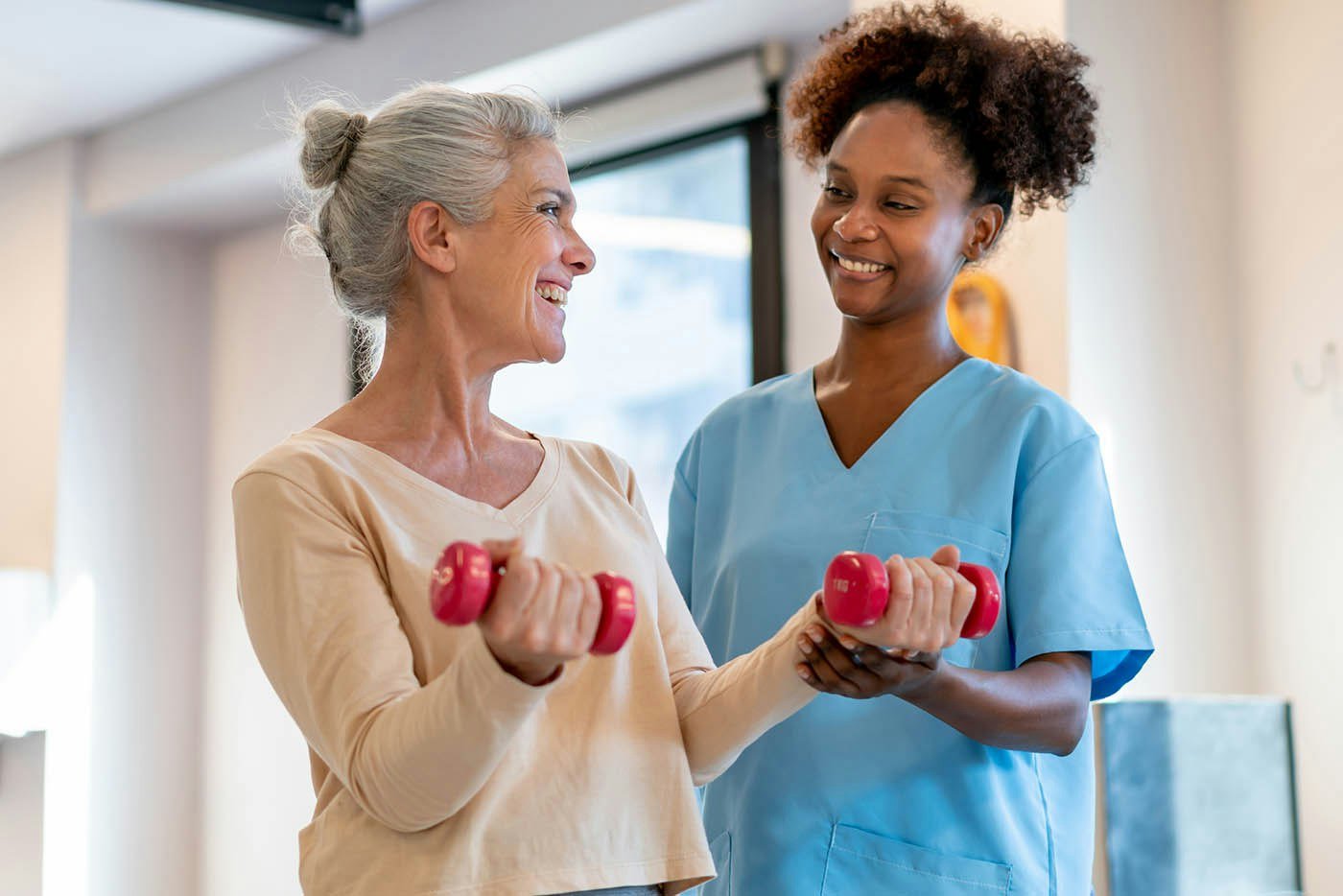
Recovering from a sudden medical event, a severe illness, or an intensive planned surgery is a physically and emotionally demanding journey. While a hospital stay is designed to stabilize a patient’s acute medical condition, the hospital environment is rarely conducive to the long, intensive process of regaining physical strength. Modern healthcare protocols often mean that patients are discharged from the hospital before they are fully ready to safely navigate the physical demands of their own homes. This vulnerable gap between hospital discharge and full home independence is where specialized rehabilitation becomes essential. Transitioning into a highly equipped short term care facility provides the intensive therapy, skilled medical oversight, and structured environment needed to accelerate healing and prevent readmission.
At Highlands Guest Care, the primary goal of short-term rehabilitation is clear and singular: to get you or your loved one back home as quickly, safely, and independently as possible. By blending aggressive physical and occupational therapies with round-the-clock skilled nursing care, patients are given the exact tools they need to reclaim their active lives. In this comprehensive guide, we will explore the core pillars of short-term rehabilitation, the specialized therapies involved, and how a dedicated care team orchestrates a safe return to everyday life.
Bridging the Gap: What is Short-Term Rehabilitation?
Short-term rehabilitation is a specialized level of inpatient care designed specifically for individuals who have been discharged from a hospital but still require intensive clinical monitoring and physical rehabilitation before returning home.
The Crucial Transition from Hospital to Home
In decades past, patients recovering from major surgeries might have spent weeks in a hospital bed. Today, hospital stays are significantly shorter. A patient recovering from a total knee replacement or a mild stroke might be discharged just a few days after admission. However, returning directly home at this stage is often fraught with risk. Stairs, narrow bathroom doorways, and the lack of specialized medical equipment can easily lead to a devastating fall, instantly reversing surgical progress and resulting in a traumatic hospital readmission. Short-term rehabilitation acts as a vital bridge. It provides a medically supervised environment where patients can practice navigating daily obstacles, rebuild their endurance, and manage their pain effectively before facing the independent challenges of their own home.
Who Benefits Most from Short-Term Care?
The demographic of a short-term rehab wing is incredibly diverse. The care is highly adaptable and caters to a wide spectrum of medical events. The most common candidates include:
- Orthopedic Patients: Individuals recovering from joint replacements (knee, hip, shoulder), complex bone fractures, or spinal surgeries.
- Neurological Patients: Individuals working to regain motor function and speech following a stroke or transient ischemic attack (TIA).
- Cardiac Patients: Those recovering from a heart attack, coronary bypass surgery, or managing the acute exacerbation of congestive heart failure (CHF).
- General Medical Recovery: Seniors recovering from prolonged battles with severe infections, pneumonia, or generalized weakness caused by an extended hospital stay.
Core Therapies That Drive Recovery
The beating heart of any premier short-term care center is its rehabilitation department. Healing is an active process, and a multidisciplinary therapy team is essential for restoring complete bodily function. Highlands Guest Care utilizes a powerful triad of therapeutic interventions.
Physical Therapy for Strength and Mobility
Physical Therapy (PT) focuses on the lower body, core strength, and gross motor skills. The primary objective is to get the patient moving safely again. For orthopedic patients, this means meticulously adhering to the surgeon’s weight-bearing precautions while carefully expanding the joint’s range of motion.
Physical therapists utilize state-of-the-art equipment to help patients rebuild atrophied muscles and improve their cardiovascular endurance. A heavy emphasis is placed on balance training and gait correction to actively prevent future falls. Therapists will guide patients through simulated real-world scenarios, such as safely navigating stairs, stepping over curbs, and transitioning securely from a bed to a wheelchair or walker.
Occupational Therapy for Daily Independence
While physical therapy focuses on the mechanics of walking and standing, Occupational Therapy (OT) focuses on the intricacies of living. Occupational therapists evaluate a patient’s ability to perform Activities of Daily Living (ADLs).
If a patient is recovering from a stroke or a severe shoulder injury, the simple act of buttoning a shirt or holding a fork can become monumentally difficult. OT helps patients relearn these fine motor skills or introduces adaptive equipment—such as reachers, sock aids, or specialized eating utensils—to bypass physical limitations. Therapists often utilize functional training kitchens and simulated bathrooms within the facility to ensure patients can safely cook a meal, bathe, and dress themselves before they are discharged.
Speech-Language Pathology for Communication and Swallowing
Often misunderstood, Speech Therapy (ST) is not just for individuals who have a stutter or a lisp. In a rehabilitative setting, speech-language pathologists deal with severe neurological deficits.
Following a stroke, many patients suffer from aphasia (the inability to comprehend or formulate language) or dysarthria (slurred speech caused by muscle weakness). Speech therapists utilize targeted vocal exercises and cognitive stimulation to help patients regain their voice and memory. Even more critically, they diagnose and treat dysphagia (difficulty swallowing). By conducting swallow studies and recommending modified diets, they ensure that patients do not accidentally aspirate food or liquid into their lungs, which can lead to deadly cases of pneumonia.
The Role of 24/7 Skilled Nursing Care
Therapy is only effective if the patient is medically stable and comfortable enough to actively participate in their sessions. A robust short-term rehabilitation program relies heavily on the constant vigilance of registered nurses and skilled medical staff.
Medical Monitoring and Pain Management
Post-acute care requires intensive, around-the-clock medical oversight. Nurses are constantly monitoring vital signs, checking for subtle shifts in blood pressure or oxygen saturation that could indicate an impending medical crisis.
Furthermore, aggressive physical therapy can be painful, especially following major orthopedic surgery. If a patient is in agony, they will refuse therapy, drastically slowing their recovery timeline. The nursing team works closely with the attending physicians to manage complex pain medication schedules. By staying ahead of the pain curve, the nursing staff ensures the patient remains comfortable, motivated, and physically capable of putting maximum effort into their daily therapy sessions.
Wound Care and Post-Surgical Support
Surgical incisions and pressure ulcers require meticulous, specialized care to heal correctly. The risk of hospital-acquired infections or post-surgical sepsis is a grave concern for recovering patients.
Skilled nursing facilities employ highly trained wound care specialists who regularly inspect, clean, and dress surgical sites according to strict clinical protocols. They are trained to instantly recognize the early signs of infection—such as localized heat, excessive redness, or unusual drainage—and intervene with physician-directed antibiotics long before the infection becomes systemic. Additionally, the nursing staff manages complex medical devices, such as IV lines for antibiotics, urinary catheters, and specialized wound vacs.
Designing a Personalized Care Plan
No two recoveries are exactly alike. An 80-year-old recovering from a hip replacement has vastly different clinical needs than a 65-year-old recovering from a severe stroke. The most effective rehabilitation centers operate on a model of strict personalization.
Comprehensive Admission Assessments
The personalization process begins the moment a patient is admitted to the facility. Within the first 24 to 48 hours, the patient undergoes a rigorous series of assessments from the entire Interdisciplinary Team (IDT). This team includes the facility’s medical director, the director of nursing, physical therapists, occupational therapists, dietitians, and a dedicated social worker.
Together, they review the hospital discharge orders, evaluate the patient’s current physical baselines, and assess their cognitive state. Based on this comprehensive data, the team crafts a highly individualized care plan. This living document dictates the exact frequency of therapy sessions, necessary dietary modifications, and specific nursing interventions required to move the patient forward.
Setting Realistic Goals and Discharge Planning
Discharge planning begins on day one. The ultimate goal of short-term rehab is to leave, and every clinical decision is made with that final destination in mind.
The social services and therapy teams work directly with the patient and their family to set realistic, trackable milestones. They conduct interviews to understand the layout of the patient’s home—asking about the number of steps leading to the front door, the location of the master bedroom, and the presence of walk-in showers. Before the patient is discharged, the team may recommend specific home modifications, arrange for the delivery of durable medical equipment (like shower chairs or hospital beds), and set up ongoing home health services to ensure the transition back to independent living is entirely seamless and safe.
What to Look For in a Premier Care Center
Choosing the right facility for your post-acute recovery will significantly impact the speed and quality of your healing. It is vital to look beyond basic medical care and evaluate the overall environment of the center.
State-of-the-Art Rehabilitation Equipment
A high-quality rehabilitation gym should look like a specialized fitness center. When touring a facility, look for designated therapy spaces equipped with modern technology. This includes parallel bars for gait training, specialized weight machines designed for seniors, functional training staircases, and specialized modalities like ultrasound or electrical stimulation machines used for advanced pain management and muscle re-education.
A Compassionate, Healing Environment
Healing happens best in an environment that reduces stress and promotes positivity. A clinical setting does not have to feel cold or institutional. The best short-term rehabilitation centers prioritize a hospitality-driven approach, offering comfortable, well-appointed private or semi-private rooms, high-quality, chef-prepared meals tailored to specific dietary needs, and access to engaging recreational activities. Above all, the staff should radiate genuine compassion, treating every patient with the ultimate dignity, respect, and encouragement as they navigate the difficult road to recovery.
Conclusion
The period immediately following a major surgery, illness, or medical event is incredibly delicate. Attempting to manage this complex recovery phase at home often places an unbearable burden on family caregivers and drastically increases the risk of a dangerous medical setback. Professional, short-term rehabilitation provides the perfect clinical safety net. By combining intensive physical, occupational, and speech therapies with 24-hour skilled nursing oversight, patients are empowered to rebuild their strength safely and efficiently.
At Highlands Guest Care, the dedicated clinical team is committed to helping you write your comeback story. They provide the state-of-the-art tools, the personalized care plans, and the unwavering emotional support required to help you transition from the hospital bed back to the life you love.
 Grow SEO Agency