

 By Singapore Local News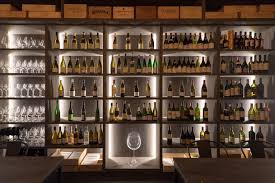
Praelum Wine Bistro represents a modern transformation of how wine culture is experienced in an urban dining environment. Instead of positioning wine as an elite or intimidating subject reserved only for experts, the concept behind Praelum Wine Bistro focuses on accessibility, discovery, education, and social enjoyment. The venue has evolved into more than a traditional wine bar, functioning simultaneously as a dining destination, experiential learning space, and curated tasting environment where guests interact directly with wine stories rather than simply consuming beverages. Understanding the full Praelum experience requires examining its philosophy, spatial design, service psychology, culinary pairing logic, and structured tasting methodology that collectively redefine contemporary wine appreciation.
The Philosophy Behind a Modern Wine Bistro Concept
The defining foundation of Praelum Wine Bistro lies in removing barriers between guests and wine knowledge. Traditional wine establishments often create separation through complex terminology, formal etiquette, and hierarchical service models. Praelum reverses this structure by encouraging conversation-driven discovery where curiosity replaces expertise requirements. Guests are guided through wines according to personal preference rather than rigid classification systems. This approach transforms wine tasting into an evolving journey shaped by mood, flavor memory, and sensory exploration rather than status or technical mastery. The philosophy encourages experimentation, allowing visitors to sample unfamiliar regions, grape varieties, and production styles without fear of choosing incorrectly.
Evolution of Wine Dining Culture in Urban Environments
Modern metropolitan dining trends increasingly favor experiential venues where learning merges with leisure. Wine bistros now function as cultural meeting points where professionals, travelers, and enthusiasts gather to socialize while expanding taste awareness. Praelum Wine Bistro aligns perfectly with this evolution by offering rotating wine selections that continuously introduce novelty. Instead of maintaining static menus, the establishment adapts its offerings to seasonal availability, importer discoveries, and sommelier selections. This dynamic structure ensures repeat visits remain engaging because guests encounter new tasting opportunities during each experience.
Interior Design Psychology and Spatial Experience
The physical environment plays a critical role in shaping perception of wine enjoyment. Praelum’s interior balances intimacy with openness through carefully planned lighting, seating arrangements, and bottle displays. Warm ambient lighting reduces sensory distraction while encouraging relaxed conversation. Wine walls act not only as storage but as visual storytelling elements communicating abundance and diversity. Seating zones accommodate multiple visitor intentions including casual gatherings, educational tastings, romantic evenings, and professional networking. Spatial flow allows servers and sommeliers to interact naturally with guests, ensuring guidance feels conversational rather than instructional.
Understanding the Role of Sommeliers in the Experience
Sommeliers at Praelum Wine Bistro serve as interpreters rather than gatekeepers of wine knowledge. Their responsibility extends beyond recommending bottles to understanding guest preferences through dialogue. Instead of asking technical questions about tannins or acidity, they explore flavor associations such as preferred fruits, textures, or dining habits. This psychological approach enables personalized recommendations even for individuals with limited wine familiarity. Sommeliers frequently introduce tasting comparisons, allowing guests to understand differences between regions or production methods through direct sensory contrast rather than theoretical explanation.
Wine Selection Strategy and Global Representation
A defining strength of Praelum lies in its curated international wine portfolio. The selection emphasizes diversity across Old World and New World regions, ensuring representation from classic European vineyards alongside emerging producers. Wines are chosen not solely for prestige but for narrative value. Each label contributes a story involving terroir, climate influence, or innovative winemaking technique. Rotating availability encourages exploration while preventing stagnation. Guests gain exposure to rare grape varieties, boutique wineries, and unconventional blends rarely encountered in traditional restaurant lists.
Wine by the Glass Concept and Accessibility
Offering extensive wine options by the glass dramatically enhances accessibility. Many establishments restrict premium wines to bottle purchases, limiting experimentation. Praelum’s approach allows guests to experience multiple styles during a single visit. This structure supports comparative tasting, enabling deeper understanding of flavor differences across regions or vintages. Wine flights further refine this experience by grouping selections according to themes such as grape type, geographic origin, or production philosophy. Such structured sampling encourages informed preference development over time.
The Science of Wine Flights and Sensory Progression
Wine flights are designed according to sensory progression principles. Lighter wines typically precede fuller-bodied selections to prevent palate fatigue. Acidity, sweetness, tannin levels, and alcohol intensity are carefully sequenced to maintain tasting clarity. Guests unconsciously learn tasting evaluation techniques through guided ordering structures. Comparing wines side by side enhances recognition of aroma complexity, mouthfeel variation, and finish duration. This educational element occurs naturally without formal instruction, reinforcing Praelum’s philosophy of learning through enjoyment.
Food Philosophy and Culinary Identity
While wine remains central, culinary offerings play an equally important supporting role. The food menu focuses on dishes that enhance rather than overshadow wine characteristics. European-inspired small plates dominate the selection, emphasizing balance, texture, and flavor harmony. Ingredients are selected to complement acidity or soften tannins, ensuring pairings amplify both food and beverage experiences. Sharing plates encourage communal dining, aligning with the social atmosphere of wine exploration.
Pairing Logic Between Food and Wine
Effective pairing involves understanding interactions between fat, salt, acidity, sweetness, and umami elements. Rich cheeses soften structured red wines while seafood highlights mineral-driven whites. Charcuterie selections introduce salt and fat combinations that stabilize tannic intensity. Praelum’s menu reflects these pairing principles, allowing guests to experience synergy between dishes and wines. Servers often suggest pairing pathways that gradually evolve throughout the meal, guiding guests from lighter introductions toward more complex flavor combinations.
The Beginner-Friendly Wine Journey
Many visitors arrive without extensive wine knowledge. Praelum accommodates beginners through conversational service models that eliminate intimidation. First-time guests typically begin with approachable varietals featuring balanced acidity and moderate alcohol levels. Guidance focuses on enjoyment rather than correctness. Guests learn terminology organically as sommeliers describe flavors using relatable comparisons such as fruits, spices, or textures. This gradual introduction builds confidence, encouraging continued exploration during future visits.
Advanced Wine Appreciation for Enthusiasts
Experienced wine enthusiasts benefit from deeper exploration opportunities. Rotating selections frequently include limited-production wines or experimental styles appealing to collectors and connoisseurs. Discussions may expand toward fermentation methods, barrel aging influence, or regional climate variation. Enthusiasts appreciate access to wines unavailable in mainstream retail environments, reinforcing Praelum’s reputation as a discovery-focused venue.
Social Dynamics and Community Building
Wine culture inherently encourages interaction. Shared tasting experiences foster conversation among guests, creating communal energy within the space. Praelum Wine Bistro functions as a social hub where strangers may exchange recommendations or discuss preferences. Community-building events further strengthen engagement by connecting individuals through shared curiosity about wine.
Timing Strategies for Different Experiences
Visit timing significantly influences atmosphere. Early evenings provide relaxed environments suitable for learning-focused tastings or intimate conversations. Later hours transition toward vibrant social energy ideal for group gatherings. Understanding these temporal shifts allows guests to tailor experiences according to personal objectives whether educational or recreational.
Psychological Impact of Guided Discovery
Guided discovery enhances emotional engagement. When guests uncover new preferences through recommendation rather than independent selection, satisfaction increases due to perceived personalization. Praelum leverages this psychological principle by encouraging dialogue before suggesting wines. Guests often remember experiences associated with discovery moments, strengthening long-term brand loyalty.
Wine Storage and Preservation Techniques
Maintaining wine quality requires precise storage conditions including temperature stability, humidity control, and minimal light exposure. Praelum employs professional preservation systems enabling open bottles to remain fresh for extended service periods. This capability supports expansive by-the-glass offerings without compromising quality.
Understanding Terroir and Regional Identity
Terroir represents the combined influence of soil composition, climate, altitude, and local tradition on wine character. Guests introduced to terroir concepts begin recognizing regional signatures such as mineral notes from limestone soils or fruit intensity shaped by warmer climates. Exposure to diverse terroirs broadens appreciation beyond grape variety alone.
Seasonal Influences on Wine Preferences
Consumer preferences shift seasonally. Warmer months encourage lighter whites and sparkling wines while cooler periods favor structured reds. Praelum adapts selections accordingly, ensuring alignment with climate-driven dining behaviors. Seasonal rotation maintains freshness within the overall experience.
Service Flow and Guest Journey Mapping
Arrival initiates a progression beginning with greeting and preference assessment. Seating introduces menu exploration followed by guided selection. Tasting interactions evolve through conversation, feedback, and refinement of recommendations. The journey concludes with memory formation shaped by hospitality consistency and sensory satisfaction.
Educational Value Without Formal Instruction
One of Praelum’s most distinctive strengths lies in passive education. Guests accumulate knowledge subconsciously through repeated exposure and guided comparison. Over multiple visits, individuals develop vocabulary and confidence traditionally associated with structured wine courses.
The Role of Atmosphere in Taste Perception
Environmental factors influence flavor perception. Lighting warmth, background music, and seating comfort alter emotional state, indirectly affecting sensory evaluation. Praelum’s relaxed environment enhances perceived smoothness and enjoyment of wines compared to sterile tasting environments.
Wine Exploration as Lifestyle Experience
Modern consumers increasingly view dining as lifestyle expression. Visiting Praelum Wine Bistro represents participation in cultural exploration rather than simple consumption. Guests associate experiences with personal growth, social identity, and culinary curiosity.
Strategic Ordering Techniques for Maximum Experience
Guests seeking comprehensive exploration benefit from progressive ordering strategies beginning with lighter wines before transitioning toward complexity. Sharing plates across the table expands pairing experimentation while maintaining balanced consumption.
Why Praelum Wine Bistro Appeals to Diverse Audiences
The venue successfully attracts young professionals, travelers, enthusiasts, and beginners due to adaptable service models. Each visitor segment finds personalized value whether educational insight or relaxed enjoyment.
Long-Term Impact on Wine Confidence
Repeated exposure builds confidence enabling guests to navigate wine lists elsewhere with greater assurance. Praelum effectively acts as an informal training ground for global wine appreciation.
The Future of Experiential Wine Dining
Experiential dining continues evolving toward personalization, storytelling, and education-driven hospitality. Praelum Wine Bistro exemplifies this direction through its integration of learning and leisure, demonstrating how modern establishments can redefine traditional wine culture.
Final Perspective on the Complete Praelum Experience
Experiencing Praelum Wine Bistro involves far more than selecting a drink. It represents immersion into a curated environment where hospitality, education, gastronomy, and social interaction merge seamlessly. Guests leave not only satisfied but more knowledgeable, confident, and curious about wine exploration. The establishment succeeds because it transforms complexity into enjoyment, making wine culture accessible without diminishing sophistication. Through thoughtful design, expert guidance, and continuously evolving selections, Praelum Wine Bistro stands as a benchmark for contemporary wine bistro excellence and experiential dining innovation.
 Global Arena