

 By Singapore Local News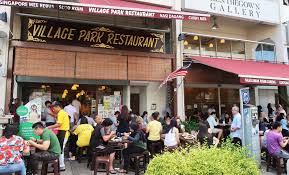
Village Park Restaurant in Petaling Jaya is renowned for serving one of Malaysia’s most iconic dishes, nasi lemak. Often referred to as the definitive experience of this traditional cuisine, Village Park has become a pilgrimage site for both locals and tourists. Its fame is not accidental but the result of decades of consistency, quality, and dedication to flavor. The restaurant’s popularity reflects a deep cultural attachment to food in Malaysia, where nasi lemak serves as both a comfort meal and a symbol of national pride.
The Origins of Nasi Lemak
Nasi lemak, literally meaning “rich rice,” is a traditional Malay dish that has been enjoyed for generations. Traditionally, it features rice cooked in coconut milk, accompanied by a variety of sides including sambal, fried anchovies, peanuts, and boiled eggs. Over time, it has evolved to include proteins like fried chicken, rendang, or even seafood variations. The dish’s origins trace back to Malay villages where coconut milk was abundant and rice served as the staple food. Its simplicity and versatility have allowed it to become a national dish and an essential part of Malaysian food culture.
Village Park’s Contribution to Nasi Lemak Culture
Village Park has elevated the traditional nasi lemak experience through meticulous attention to ingredients and preparation techniques. The restaurant focuses on a few critical elements that make its nasi lemak stand out:
- Coconut Rice Quality: The rice is consistently fluffy, fragrant, and perfectly infused with coconut milk, maintaining the ideal balance between creaminess and lightness.
- Signature Fried Chicken: Their ayam goreng berempah is marinated in a rich blend of local spices, achieving a crispy exterior and tender, flavorful interior.
- Sambal Mastery: Village Park’s sambal is renowned for its perfect balance of heat and sweetness, made from freshly ground ingredients to retain freshness and depth of flavor.
- Consistent Service and Presentation: Despite large crowds, the restaurant maintains consistent plating standards, ensuring every serving meets expectations.
The Ingredients Behind the Flavor
The authenticity of Village Park’s nasi lemak depends on sourcing quality ingredients and using traditional techniques:
- Rice: The rice is washed thoroughly and cooked in coconut milk with pandan leaves to enhance aroma. The texture is carefully monitored to avoid overcooking.
- Sambal: A mixture of chili, shallots, anchovies, tamarind, and sugar creates a complex flavor that complements the richness of the rice. The sambal is slow-cooked to develop depth and maintain a vibrant color.
- Proteins: The fried chicken is marinated overnight to ensure flavors penetrate the meat. Only fresh chicken is used, and frying is done in small batches for crispiness.
- Accompaniments: Roasted peanuts and crispy anchovies provide texture contrast, while boiled or fried eggs add a mild, creamy element. Fresh cucumber slices offer balance and freshness.
Cooking Techniques and Secrets
Village Park’s success can be attributed to several cooking techniques:
- Rice Preparation: The rice is rinsed until the water is clear to remove excess starch. Coconut milk is added in precise proportions to achieve creamy rice without it becoming soggy.
- Sambal Cooking: Ingredients are sautéed in stages to preserve natural aromas. The chili paste is slow-cooked until it reaches a perfect consistency and the flavors meld harmoniously.
- Frying Chicken: Chicken pieces are deep-fried at controlled temperatures to achieve even cooking, with the coating crisp but not greasy.
- Serving Practices: Each plate is assembled with attention to presentation. Portions are generous but balanced, ensuring all elements complement one another visually and taste-wise.
Popularity and Queue Culture
Village Park has become famous not just for its food but also for the experience surrounding it. Patrons often line up early in the morning, with queues sometimes stretching along the street. This phenomenon has become a testament to the restaurant’s reputation. Regular visitors often strategize their visits based on peak hours, weather, and holidays to minimize waiting time. The queuing culture has inadvertently become part of the experience, offering a sense of anticipation and community among diners.
Nasi Lemak Variations at Village Park
While the classic nasi lemak with fried chicken remains the most popular, Village Park offers variations that cater to diverse tastes:
- Ayam Goreng Berempah Nasi Lemak: The signature fried chicken dish, served with fragrant coconut rice and sambal.
- Rendang Nasi Lemak: Slow-cooked beef rendang paired with rice, offering a rich, spicy alternative.
- Seafood Nasi Lemak: Occasionally available, featuring fried or grilled fish and prawns, ideal for seafood enthusiasts.
- Vegetarian Options: Some sides, like sambal tempeh or fried tofu, are available for those seeking plant-based alternatives.
Pricing and Accessibility
Village Park has maintained reasonable pricing considering the quality and portion sizes. The affordability, coupled with the experience of dining in a renowned establishment, contributes to its sustained popularity. Prices vary slightly depending on the type of protein selected, but even the premium options remain accessible to a broad demographic. The restaurant is located strategically in Petaling Jaya, making it easily accessible by car or public transport.
Nutritional Value and Food Analysis
Nasi lemak, while rich and flavorful, also provides a balanced combination of macronutrients:
- Carbohydrates: From the coconut rice, providing energy for the day.
- Protein: From chicken, eggs, or seafood, essential for muscle repair and overall health.
- Fats: Present in the coconut milk and fried components, contributing to flavor and satiety.
- Micronutrients: Peanuts, anchovies, and cucumbers provide vitamins and minerals such as calcium, magnesium, and vitamin C.
While indulgent, portion control and occasional consumption make it a suitable choice for a well-rounded meal.
Customer Experience and Testimonials
The dining experience at Village Park goes beyond just food:
- Ambience: The restaurant offers a casual, family-friendly setting that encourages social dining.
- Service: Staff are trained to handle large crowds efficiently, ensuring prompt service despite peak hours.
- Feedback: Customers consistently praise the quality and consistency, often describing the experience as “worth the wait” or “the best nasi lemak in Malaysia.” Some reviews mention variability during peak hours, highlighting the importance of visiting during off-peak times.
Comparisons with Other Nasi Lemak Spots
While Village Park is highly acclaimed, several other Malaysian establishments serve exceptional nasi lemak. Comparisons reveal key differentiators:
- Quality of Ingredients: Village Park emphasizes freshness and traditional preparation techniques.
- Flavor Profile: Their sambal has a distinct balance that many competitors struggle to replicate.
- Portion Size: Generous servings make it a preferred choice among heavy eaters.
- Customer Loyalty: Long-standing reputation and word-of-mouth marketing provide an edge over newer establishments.
Comparative analysis shows that Village Park’s success is a combination of authenticity, consistency, and brand recognition.
Culinary Tourism and Cultural Significance
Village Park has become a destination for culinary tourism in Malaysia. Food enthusiasts travel from neighboring cities and countries to experience the restaurant’s signature dish. This has cultural implications, as it showcases Malaysia’s food heritage to a broader audience. Nasi lemak, through Village Park, has evolved from a traditional breakfast dish to a national culinary icon representing Malaysian identity on the global stage.
Tips for Visiting Village Park
To maximize the experience, diners can consider several practical tips:
- Timing: Visit early to avoid long queues, especially on weekends and public holidays.
- Menu Selection: The classic fried chicken is recommended for first-time visitors, while repeat customers can explore variations.
- Group Dining: Portions are generous; sharing plates can allow for tasting multiple items without overindulgence.
- Local Etiquette: Be patient during peak hours and respect seating arrangements.
- Takeaway Options: Available for those unable to dine in, though the experience differs from the full dine-in ambiance.
Sustainability and Ethical Practices
Village Park demonstrates awareness of sustainability through:
- Ingredient Sourcing: Preference for fresh, local produce reduces carbon footprint.
- Waste Management: Efficient use of ingredients and minimization of food waste during peak and off-peak hours.
- Community Engagement: Support for local suppliers and small-scale farmers helps sustain regional agriculture.
Behind the Scenes: Staff and Operations
The restaurant employs a skilled team, including cooks trained in traditional Malay cooking techniques, service staff managing large crowds, and management ensuring consistent quality. Coordination between kitchen and front-of-house staff is essential to maintain the brand’s reputation. Regular training ensures adherence to hygiene standards, presentation, and flavor consistency.
The Future of Village Park Nasi Lemak
With increasing competition, Village Park continues to innovate while preserving its core identity:
- Menu Expansion: Exploring seasonal or limited-time offerings without compromising traditional recipes.
- Digital Presence: Leveraging social media to engage with younger demographics and maintain relevance.
- Operational Efficiency: Adopting technology for queue management and takeaway orders to enhance customer satisfaction.
These strategies ensure Village Park remains a cornerstone of Malaysian culinary culture while adapting to modern dining trends.
Conclusion
Village Park Nasi Lemak exemplifies the fusion of tradition, quality, and experience. Its attention to ingredient sourcing, cooking techniques, and customer experience has cemented its status as a cultural and culinary icon. Beyond serving food, it provides a lens through which to understand Malaysian society, food culture, and the evolving identity of a nation through its cuisine. For anyone seeking an authentic taste of Malaysia, Village Park offers not just a meal but a rich narrative of flavor, heritage, and community.
 Global Arena