

 By Singapore Local News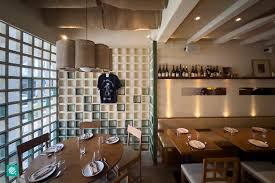
Club Rangoon represents a modern interpretation of Burmese cuisine positioned within an upscale dining framework that merges heritage storytelling with contemporary hospitality design. The restaurant concept emerged as a refined platform to present Myanmar’s culinary traditions in a way that resonates with cosmopolitan diners who seek both authenticity and aesthetic sophistication. Rather than functioning purely as a traditional eatery, it operates as a curated cultural environment where food, interior ambiance, beverage programs, and narrative branding intersect to create a layered dining experience. The identity of the establishment is rooted in honoring familial recipes while refining presentation, plating precision, and flavor balance to align with premium urban dining expectations.
Foundational Vision and Leadership Influence
The vision behind the restaurant is deeply influenced by its founder Nelson Htoo, whose objective was to introduce Burmese cuisine to a broader international audience without diluting its character. The founding philosophy centers on preservation with elevation. Instead of reinventing recipes beyond recognition, the strategy involves careful refinement: reducing heaviness where necessary, adjusting spice intensity for wider palates, and enhancing plating aesthetics. Leadership direction also places emphasis on storytelling as a branding pillar. Every menu element connects back to memory, culture, and regional significance. This intentional narrative strategy strengthens brand positioning while reinforcing authenticity in a competitive dining landscape.
Geographic Positioning and Market Context
The restaurant gained notable recognition in dining circles in Hong Kong before expanding its narrative into Singapore, both cities serving as strategic culinary capitals within Asia. These markets are characterized by sophisticated diners, international tourism flow, and strong media exposure. The choice of such metropolitan environments is deliberate. Burmese cuisine historically lacks widespread global representation compared to Thai or Vietnamese food. By situating the concept in global food hubs, the brand benefits from cross-cultural visibility, influencer reach, and culinary credibility. Market positioning reflects a premium-casual model rather than street-style replication. Pricing aligns with upscale expectations while still encouraging exploratory dining.
Architectural Identity and Spatial Narrative
Interior design plays a crucial role in shaping the experience. The architectural approach balances colonial-era nostalgia with contemporary minimalism. Warm wooden tones, heritage-inspired textures, soft lighting, and curated art elements contribute to an environment that evokes Rangoon’s historic charm without appearing theatrical. Layout planning encourages communal interaction while retaining intimate corners for private dining. Seating ergonomics, acoustics, and lighting calibration reflect hospitality psychology principles that enhance dwell time and perceived comfort. Visual cohesion between menu design, tableware selection, and spatial elements strengthens brand memorability. The interior is not decorative excess but strategic storytelling through material culture.
Culinary Philosophy and Ingredient Strategy
At its core, the culinary philosophy revolves around three principles: authenticity, balance, and refinement. Burmese cuisine traditionally emphasizes fermented elements, herbs, legumes, and layered textures. The restaurant maintains these foundations while introducing controlled plating and ingredient sourcing upgrades. Core components include tea leaves, chickpea flour, fish-based broths, tamarind, and aromatic herbs. Ingredient procurement prioritizes freshness and, where possible, regional sourcing consistency. Flavor architecture typically combines sour, salty, umami, herbal freshness, and subtle heat rather than overwhelming spice. This balance makes dishes approachable to diners unfamiliar with Burmese cuisine.
Signature Dish Framework and Flavor Engineering
The menu frequently highlights traditional staples interpreted through modern presentation. Mohinga, often regarded as Myanmar’s national dish, demonstrates depth through fish broth complexity layered with herbs and rice noodles. Tea leaf salad represents the fusion of fermented bitterness, crunch, acidity, and nutty undertones. The engineering of such dishes reveals strategic layering. Textural contrast remains a consistent design factor. Crunch elements are intentionally preserved to avoid sogginess. Acidic components are calibrated to brighten fermented depth. Protein is treated with precision to maintain moisture without overpowering broth integrity. The culinary team’s refinement process ensures flavors remain recognizable yet polished.
Beverage Program and Pairing Logic
A distinctive feature of the concept lies in its beverage pairing philosophy. Cocktails often incorporate Southeast Asian aromatics such as lemongrass, pandan, and tamarind. The objective is not novelty but harmony. Pairing logic considers acidity levels, fermentation notes, and herbal profiles present in dishes. Alcoholic beverages are structured to either cleanse the palate or complement umami richness. Non-alcoholic options are curated with equal intentionality, reflecting inclusive hospitality values. Beverage menu design enhances overall spend per guest while reinforcing cultural immersion.
Target Audience Segmentation and Behavioral Insights
The primary audience includes urban professionals, food enthusiasts, cultural explorers, and design-conscious diners. Secondary segments include tourists seeking unique regional cuisines and diaspora communities looking for elevated familiarity. Behavioral patterns indicate that first-time visitors are drawn by curiosity and design aesthetics, while repeat patrons return for flavor consistency and atmosphere. Social media visibility plays a crucial role in attracting younger demographics. The brand balances authenticity with approachability to prevent alienation of diners unfamiliar with Burmese cuisine.
Competitive Positioning and Differentiation Strategy
Within metropolitan dining ecosystems, Southeast Asian cuisine competes intensely. Thai, Vietnamese, and modern Asian fusion restaurants dominate visibility. The differentiation advantage lies in relative rarity. Burmese cuisine remains underrepresented, granting novelty leverage. However, novelty alone is insufficient. Competitive positioning depends on experience cohesion. The restaurant differentiates itself through narrative authenticity, refined interior design, curated beverage integration, and cultural storytelling. Unlike generic Asian fusion establishments, the menu does not dilute identity by incorporating unrelated cuisines. This focused specialization enhances brand authority.
Cultural Representation and Heritage Preservation
The restaurant functions as a cultural ambassador. Burmese cuisine historically developed through trade influences from India, China, and Thailand. The menu subtly reflects these cross-cultural influences without erasing distinct identity. Fermentation traditions, rice-based foundations, and tea leaf integration anchor authenticity. By presenting dishes within a polished environment, the brand challenges misconceptions that traditional cuisines must remain informal or street-oriented. This elevation strategy contributes to broader appreciation and respect for Myanmar’s culinary heritage.
Operational Model and Service Philosophy
Operational excellence underpins experiential success. Staff training emphasizes cultural storytelling alongside technical service standards. Servers are encouraged to explain unfamiliar ingredients and preparation methods with clarity. This educational component reduces hesitation among first-time diners. Service pacing reflects contemporary fine-casual norms rather than rapid turnover models. Reservation systems optimize capacity while maintaining exclusivity perception. Operational strategy prioritizes consistency in flavor execution and plating precision to sustain brand trust.
Marketing Architecture and Brand Communication
Marketing efforts rely heavily on visual storytelling. High-resolution dish photography, interior snapshots, and curated lifestyle imagery support digital visibility. Social media channels amplify design aesthetics and signature dishes. Influencer collaborations enhance reach without heavy reliance on traditional advertising. Brand messaging consistently reinforces heritage, refinement, and authenticity. The narrative avoids exaggeration or trend-driven gimmicks. Instead, communication emphasizes culture, family inspiration, and sensory discovery.
Customer Experience Mapping
The dining journey can be broken into pre-visit anticipation, arrival immersion, menu exploration, sensory engagement, and post-meal reflection. Pre-visit engagement often occurs digitally through curated visuals. Arrival introduces spatial ambiance and scent cues. Menu exploration invites curiosity through descriptive language. Sensory engagement encompasses taste, aroma, texture, lighting, and sound. Post-meal reflection is shaped by service warmth and flavor memorability. This comprehensive mapping ensures cohesive experience design rather than isolated service interactions.
Pricing Strategy and Value Perception
Pricing reflects premium positioning without entering ultra-fine-dining territory. Value perception derives from portion calibration, ingredient quality, interior aesthetics, and cultural uniqueness. Customers perceive value when authenticity aligns with refinement. Transparent pricing avoids confusion. Menu engineering ensures profitable items are strategically highlighted. Shared-plate structures encourage group dining, increasing average order value while maintaining perceived generosity.
Culinary Innovation and Menu Evolution
Menu evolution remains gradual rather than disruptive. Core heritage dishes remain anchors. Seasonal adjustments introduce subtle variation without alienating returning patrons. Innovation focuses on reinterpretation rather than reinvention. For example, desserts may reinterpret traditional flavors in contemporary formats. This balance maintains brand consistency while sustaining novelty.
Community Engagement and Cultural Dialogue
Beyond dining operations, the brand contributes to cultural dialogue by elevating awareness of Burmese culinary traditions. Engagement may include collaborative dinners, chef exchanges, or curated cultural evenings. Such initiatives deepen authenticity and strengthen community ties. This approach enhances brand depth beyond transactional dining.
Sensory Psychology and Atmosphere Engineering
Lighting temperature, music selection, table spacing, and scent diffusion are calibrated to influence emotional comfort. Warm lighting promotes relaxation and appetite stimulation. Ambient sound levels are managed to encourage conversation without noise fatigue. Tableware texture enhances tactile satisfaction. These psychological considerations subtly elevate perceived sophistication.
Sustainability Considerations and Ethical Practices
Modern diners increasingly value sustainability. Ingredient sourcing transparency, waste reduction strategies, and responsible procurement enhance brand integrity. Even when not heavily marketed, ethical practices contribute to long-term credibility. Efficient inventory control reduces spoilage. Balanced menu planning minimizes resource strain.
Digital Presence and Search Visibility Strategy
Online visibility depends on optimized keyword integration, structured metadata, and visually engaging content. Search engines prioritize clear information architecture. The restaurant’s digital presence leverages consistent branding, concise descriptions, and engaging imagery. User-generated reviews further amplify reach. Maintaining accurate operational details strengthens trust and local search ranking.
Opportunities for Future Growth
Potential growth avenues include culinary workshops, packaged condiments inspired by signature flavors, and curated tasting experiences. International pop-ups could expand exposure while preserving exclusivity. Expansion must maintain authenticity to avoid brand dilution. Growth decisions should align with core identity rather than purely financial ambition.
Challenges and Risk Factors
Challenges include ingredient sourcing complexity, potential cultural misrepresentation, and market competition from broader Asian fusion trends. Economic fluctuations in metropolitan markets can impact discretionary dining. Maintaining consistency across locations requires rigorous training and quality control.
Experiential Strength Summary
The restaurant’s strengths lie in cohesive storytelling, refined execution, balanced authenticity, and aesthetic sophistication. By presenting Burmese cuisine within premium hospitality standards, it occupies a unique niche. Its ability to educate while entertaining reinforces memorability.
Strategic Recommendations for Long-Term Distinction
To sustain and elevate distinction, several strategies can be adopted. Develop in-depth educational content explaining Burmese culinary history to broaden cultural understanding. Introduce structured tasting menus that guide guests through flavor progression. Create digital storytelling pieces exploring ingredient origins. Incorporate subtle regional comparisons to contextualize flavors for newcomers. Offer glossary-style menu inserts for unfamiliar terminology. Expand visual storytelling through behind-the-scenes preparation insights. Strengthen diaspora engagement to reinforce authenticity credibility. Develop loyalty initiatives that reward repeat visits while maintaining premium perception.
Conclusion
Club Rangoon exemplifies how a culturally rooted restaurant can succeed in global metropolitan markets through thoughtful refinement, immersive design, and narrative authenticity. By balancing tradition with contemporary hospitality standards, it transforms Burmese cuisine from niche curiosity into celebrated culinary experience. Sustained success will depend on preserving cultural integrity while continuously enhancing experiential depth.
 Global Arena