

 By Singapore Local News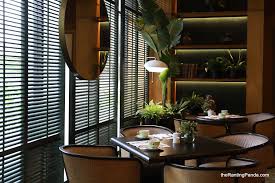
Tea lounges have emerged as popular spaces where people can relax, socialize, and immerse themselves in the culture of tea. Unlike traditional cafes, tea lounges often focus on offering an extensive variety of teas, a serene ambiance, and unique culinary pairings that enhance the tea experience.
Tea lounges are not just about beverages; they are about the experience. Every detail, from seating arrangements to lighting and background music, contributes to the overall mood and satisfaction of visitors. Modern tea lounges combine traditional tea-drinking practices with contemporary interior designs, creating spaces that appeal to both tea enthusiasts and casual visitors.
History and Evolution of Tea Lounges
Tea has a rich history that spans centuries and continents. Originating in China, tea eventually spread to Japan, India, Europe, and other parts of the world, each region adding its unique cultural and ritualistic elements.
Tea lounges evolved from the traditional teahouse, which served as social hubs where communities gathered. In the modern era, tea lounges have adapted to urban lifestyles, blending cultural heritage with contemporary design, technology, and customer service.
Cultural Significance
Tea lounges often preserve traditional brewing methods and rituals. These spaces educate visitors about the origins of tea, the different varieties, and the proper methods for preparation and consumption. By offering immersive experiences, tea lounges serve as bridges between cultures, enabling people to explore global tea traditions without leaving their city.
Growth in Popularity
The rise of wellness trends, specialty beverages, and unique dining experiences has contributed to the growing popularity of tea lounges. Unlike coffee shops that focus primarily on quick service, tea lounges emphasize leisure, experience, and the art of tea.
Types of Tea and Their Benefits
Understanding the variety of teas available is crucial for anyone visiting or running a tea lounge. Teas differ in flavor, origin, preparation methods, and health benefits.
Green Tea
Green tea is known for its fresh, grassy flavor and numerous health benefits, including antioxidants that may support cardiovascular health and weight management. Popular green tea types include Sencha, Matcha, and Longjing.
Black Tea
Black tea offers a robust flavor and higher caffeine content than green tea. Varieties like Assam, Darjeeling, and Earl Grey are popular choices in tea lounges. Black tea is often paired with milk, sugar, or spices in various cultural adaptations.
White Tea
White tea is the least processed and has a delicate, subtle flavor. It is rich in antioxidants and is often appreciated for its soothing properties.
Oolong Tea
Oolong tea is partially fermented, providing a balance between green and black tea flavors. It can be floral, fruity, or earthy, depending on the variety.
Herbal Teas
Herbal teas, such as chamomile, peppermint, and hibiscus, are caffeine-free and often used for their calming and digestive benefits.
Specialty and Seasonal Teas
Many tea lounges offer limited-time or seasonal teas, infused with fruits, flowers, or spices to create unique taste experiences. These options encourage repeat visits and enhance the brand’s identity.
Designing the Perfect Tea Lounge Experience
Creating a memorable tea lounge experience requires attention to multiple elements, including ambiance, service, menu design, and customer engagement.
Ambiance and Interior Design
A tea lounge should evoke calmness and comfort. Elements such as soft lighting, natural materials, comfortable seating, and gentle background music enhance the tea-drinking experience. Attention to aesthetics, such as artwork, greenery, and layout, contributes to a welcoming atmosphere.
Menu Structure and Offerings
The menu is a critical component of a tea lounge. It should feature a diverse range of teas, including classic options, specialty blends, and seasonal varieties. Pairing teas with pastries, sandwiches, or other light meals enhances the experience.
Menu descriptions should provide detailed information about the tea’s origin, flavor profile, and brewing method. Highlighting signature teas and exclusive blends adds value and encourages customer exploration.
Brewing and Serving Practices
Tea preparation is an art. Proper brewing methods, water temperature, steeping time, and presentation all affect the final experience. Offering table-side brewing demonstrations or guided tastings can elevate the lounge’s appeal.
Customer Engagement and Education
Educating visitors about tea enhances their appreciation and loyalty. Workshops, tastings, and storytelling sessions about tea’s history, health benefits, and brewing techniques foster a deeper connection with the brand.
Global Tea Lounge Trends
Tea lounges worldwide incorporate various trends to stay relevant and appealing.
Health and Wellness Focus
Many tea lounges emphasize the health benefits of teas, integrating wellness-focused options such as herbal blends, detox teas, and low-caffeine choices. This approach aligns with modern lifestyle trends and attracts health-conscious customers.
Fusion and Innovation
Some lounges experiment with fusion drinks, combining tea with modern ingredients like bubble tea pearls, fruit infusions, or floral elements. Innovative presentations, such as tea cocktails or tea-based desserts, create unique selling points.
Sustainable Practices
Sustainability is increasingly important. Tea lounges that use organic teas, eco-friendly packaging, and sustainable sourcing practices resonate with environmentally conscious consumers.
Technology Integration
Digital menus, online reservations, mobile app ordering, and loyalty programs enhance convenience and attract tech-savvy customers. Virtual tea tasting events or online tea subscriptions can expand reach beyond the physical lounge.
Hosting Events and Community Engagement
Tea lounges can become community hubs by hosting events such as cultural evenings, art exhibitions, and themed tea parties. These events not only attract new visitors but also build a loyal customer base.
Tea Tastings and Workshops
Guided tastings allow customers to explore flavors, aromas, and brewing techniques. Workshops on tea culture, history, and preparation methods create educational value and memorable experiences.
Collaborations and Pop-Ups
Collaborating with local artists, bakers, or wellness experts can introduce novelty and diversity to the tea lounge offerings. Pop-up events provide an opportunity to reach new audiences and generate buzz.
Loyalty Programs
Memberships or loyalty programs offering exclusive teas, discounts, or early access to new products encourage repeat visits and strengthen brand loyalty.
Marketing Strategies for Tea Lounges
A well-executed marketing strategy ensures that a tea lounge reaches its target audience effectively.
Local SEO Optimization
Optimizing for local search terms, including city-specific keywords and Google Maps listings, increases visibility for nearby visitors seeking tea experiences.
Social Media Presence
Visual platforms such as Instagram, Pinterest, and TikTok are ideal for showcasing the ambiance, drinks, and events. High-quality images and videos enhance brand perception and engagement.
Content Marketing
Educational blog posts, videos, and infographics about tea types, brewing techniques, and cultural insights position the lounge as an authority. This strategy also improves SEO rankings.
Influencer Partnerships
Collaborating with influencers in lifestyle, food, and wellness niches can amplify reach and credibility. Hosting influencer events or featuring influencer reviews can attract new audiences.
Email Marketing
Regular newsletters with updates on new teas, events, and exclusive offers keep the audience engaged and encourage repeat visits.
Operational Excellence
Efficient operations are essential for consistent quality and customer satisfaction.
Staff Training
Well-trained staff knowledgeable about tea types, preparation methods, and customer service create a professional and welcoming environment. Staff can also guide customers in selecting teas and answering questions.
Quality Control
Maintaining high standards in tea sourcing, storage, and brewing ensures flavor consistency and customer satisfaction. Periodic tasting sessions and supplier audits help maintain quality.
Inventory Management
Accurate tracking of tea stocks, seasonal items, and perishable goods prevents waste and ensures product availability.
Hygiene and Safety
Maintaining cleanliness in the lounge, kitchen, and service areas is crucial for health and safety, enhancing customer trust.
Revenue Streams and Business Models
Tea lounges can diversify revenue streams to maximize profitability.
In-Lounge Sales
Traditional sales of tea and food items remain the primary revenue source. Upselling premium teas, seasonal specialties, and pairings increases average transaction value.
Retail Sales
Offering packaged teas, brewing accessories, and branded merchandise provides additional income. These products can also serve as marketing tools when customers share or gift them.
Online Sales and Subscriptions
Online tea subscriptions and e-commerce platforms allow lounges to reach a wider audience beyond their physical location.
Private Events and Catering
Hosting private events, corporate functions, or catering for special occasions diversifies revenue and introduces the brand to new potential customers.
Key Challenges and Solutions
Running a tea lounge comes with specific challenges that require strategic solutions.
Competition
With the rise of specialty beverage outlets, competition is fierce. Differentiating through unique teas, exceptional service, and immersive experiences can set a lounge apart.
Seasonality
Tea consumption may fluctuate with seasons. Introducing seasonal blends, holiday specials, and promotions helps maintain consistent traffic.
Customer Education
Not all customers are familiar with specialty teas. Providing tastings, clear menu descriptions, and interactive sessions educates customers and enhances satisfaction.
Operational Costs
High-quality teas and premium ingredients can be costly. Efficient supply chain management and careful menu planning balance quality and profitability.
Case Studies of Successful Tea Lounges
Examining successful tea lounges provides insights into best
 Global Arena
  Khubaib Jamil