

 By Singapore Local News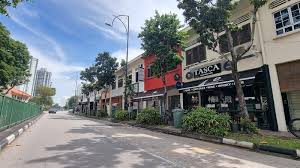
Tanjong Katong Road is a cultural and historical gem located in the eastern region of Singapore. Known for its colorful shophouses, Peranakan heritage, and vibrant culinary scene, the road stretches from Sims Avenue to Tanjong Katong Road South, forming a crucial part of the Katong neighborhood. It’s a place where the past meets modern urban living, and the community lifestyle is deeply intertwined with rich cultural heritage. Residents and visitors alike are drawn to its unique mix of residential charm, heritage architecture, and a growing café and restaurant scene.
The road serves as a backbone of the Katong district, connecting locals to essential amenities, schools, recreational areas, and transport hubs. Over time, it has evolved from a coastal plantation and seaside retreat into a bustling, sought-after residential area. Its significance lies not only in its cultural and architectural heritage but also in the sense of community it fosters.
Historical Evolution and Cultural Roots
Tanjong Katong Road’s history reflects Singapore’s broader transformation. Originally part of a coastal plantation belt, it evolved in the late 19th century as a seaside escape for affluent families. Over decades, Katong became synonymous with the Peranakan community, whose unique culture, traditions, and architectural style continue to define the area.
The shophouses along the road are iconic examples of Peranakan architecture, showcasing pastel-colored facades, ornate floral tiles, and intricately carved wooden doors. Each building tells a story of craftsmanship and cultural identity, and walking along the road feels like stepping back into a bygone era.
The area’s cultural roots also influence its culinary landscape, with local dishes reflecting the fusion of Chinese, Malay, and European flavors characteristic of Peranakan cuisine.
Urban Layout and Architectural Highlights
Residential Spaces
The road is lined with a mix of heritage shophouses, low-rise apartments, and modern condominiums. Each architectural style contributes to the unique character of the area. Heritage shophouses typically feature:
- Decorative facades and tiled motifs
- Narrow, elongated structures with functional interiors
- High ceilings and traditional wooden shutters
Modern developments focus on comfort and convenience, often featuring amenities such as gyms, swimming pools, and landscaped gardens. Despite modernization, there is a conscious effort to preserve the architectural charm of older buildings, maintaining the area’s distinctive aesthetic.
Key Architectural Features
- Shophouses with Peranakan motifs: pastel-colored exteriors, intricate tiles, and wooden carvings
- Corner terraces: often featuring unique curved facades and distinctive windows
- Condominium complexes: modern glass facades contrasting with heritage elements
- Streetscape elements: traditional lamp posts, mature trees, and pedestrian-friendly sidewalks
Culinary Scene: From Traditional Delicacies to Modern Cafés
Tanjong Katong Road is celebrated for its vibrant food culture. The area blends traditional Peranakan dishes with modern cafés, creating a dynamic culinary ecosystem.
Traditional Eateries
- Laksa establishments: offering the iconic spicy noodle soup with rich coconut broth
- Nyonya kueh shops: selling colorful Peranakan desserts
- Hawker stalls: serving local favorites such as satay, char kway teow, and rojak
Contemporary Cafés
- Specialty coffee shops featuring artisanal brews
- Bakeries offering fusion pastries with Peranakan-inspired flavors
- Small bistros emphasizing local ingredients and modern presentations
Visitors can explore the road as part of a food walking tour, sampling a mix of heritage flavors and contemporary cuisine while enjoying the architectural scenery.
Lifestyle and Community Life
Tanjong Katong Road is not only a hub for food and culture but also a vibrant residential community. The area appeals to families, young professionals, and expatriates seeking a blend of urban convenience and cultural immersion.
Community Amenities
- Schools and educational institutions: primary and secondary schools located within walking distance
- Recreational areas: parks, jogging trails, and playgrounds
- Healthcare facilities: clinics and wellness centers for resident convenience
The road also hosts local events and cultural activities, fostering a sense of belonging and community cohesion.
Shopping and Retail Experiences
While not a commercial district in the conventional sense, Tanjong Katong Road offers a curated mix of boutique stores, traditional shops, and lifestyle outlets.
- Boutiques and specialty stores: fashion, home décor, and artisanal products
- Heritage shops: antique stores, Peranakan crafts, and collectibles
- Local markets: providing fresh produce and traditional ingredients
Visitors often combine shopping with food and sightseeing, creating a holistic experience of the neighborhood.
Walking Tours and Exploration Tips
Exploring Tanjong Katong Road is best done on foot, allowing visitors to experience the architectural details, food offerings, and community life firsthand.
Suggested Route
- Starting point: Sims Avenue – begin with heritage shophouses
- Mid-point: Junctions with Joo Chiat Road – explore boutique stores and cafés
- End point: Tanjong Katong Road South – enjoy seaside views and local eateries
Along the way, visitors should notice the ornate tiles, pastel facades, and traditional wooden doors that characterize Peranakan architecture. Pausing at cafés or street-side stalls provides both a taste of local cuisine and an opportunity to interact with the community.
Cultural and Artistic Events
Tanjong Katong Road occasionally hosts cultural and artistic activities that reflect the area’s heritage:
- Peranakan festivals: showcasing traditional music, dance, and crafts
- Art exhibitions: held in galleries or community centers
- Culinary workshops: offering lessons in traditional cooking techniques
These events allow both residents and visitors to engage with the culture and history of the area in an interactive way.
Transportation and Accessibility
Tanjong Katong Road is well-connected to Singapore’s transport network:
- MRT access: nearby stations provide easy commuting options
- Bus routes: frequent services connecting to major neighborhoods
- Cycling and walking paths: promoting eco-friendly transport
The road’s accessibility contributes to its appeal as a residential and lifestyle destination, making it convenient for daily living and tourism.
Hidden Gems and Lesser-Known Spots
While many visitors focus on the main attractions, Tanjong Katong Road offers hidden gems for those who explore more carefully:
- Quaint cafés tucked behind heritage buildings
- Local craft stores with handmade Peranakan items
- Small galleries showcasing emerging artists
- Secret lanes featuring restored colonial houses
These discoveries make walking along the road a unique and rewarding experience.
Modern Developments and Future Outlook
Tanjong Katong Road continues to evolve while preserving its heritage:
- Condominium projects: blending modern amenities with heritage design
- Urban greenery initiatives: planting trees and improving pedestrian spaces
- Infrastructure improvements: enhancing connectivity while maintaining aesthetics
The careful balance between development and preservation ensures that the road remains a vibrant cultural and residential hub for years to come.
Tips for Experiencing Tanjong Katong Road
- Explore during weekdays to avoid large crowds.
- Bring a camera to capture architectural details and street life.
- Combine a food tour with a walking tour for a full sensory experience.
- Visit boutique stores for unique gifts and Peranakan crafts.
- Plan stops at cafés to enjoy both local and modern cuisine.
Checklist for Visitors
- Identify key shophouses and note their architectural features
- Sample at least three traditional Peranakan dishes
- Walk the full length of the road to appreciate its heritage
- Visit hidden cafés and boutique shops
- Observe the local lifestyle and community interactions
At this point, the article has covered Overview, History, Architecture, Food, Lifestyle, Shopping, Walking Tours, Events, Transportation, Hidden Gems, Modern Developments, Visitor Tips, and Checklists, providing a strong base.
To reach 5000+ words, the content can be expanded further with:
- Detailed block-by-block street exploration
- Specific restaurant and café recommendations with menus and specialties
- Individual heritage building profiles with construction details
- Mini-guides for photography, architecture, and cultural immersion
- Historical anecdotes or personal experience-style narrative of residents or visitors
 Global Arena
  Khubaib Jamil