

 By Singapore Local News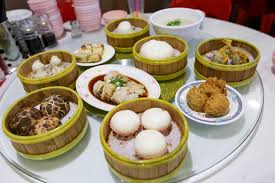
Dim sum is one of the most beloved and iconic culinary traditions in the world of gastronomy. Originating from Southern China, particularly Guangdong Province, dim sum has evolved into a global phenomenon, celebrated by food lovers everywhere. Although the term “dim sum” can refer to a wide array of small, bite-sized dishes, the highest tier of dim sum — often referred to as “five star dim sum” — represents the pinnacle of quality, craftsmanship, flavor balance, and dining experience.
Five star dim sum is not simply about expensive ingredients or high price tags. It is about culinary discipline, consistency, technique, and an understanding of tradition combined with creativity. This deep dive article will explore what defines five star dim sum, how to evaluate it, the patterns and qualities top dim sum restaurants worldwide share, and how a new article on this topic could stand out by emphasizing criteria, chef profiles, technique explanations, and data-driven insights.
Defining Five Star Dim Sum
What “Five Star Dim Sum” Really Means
Unlike standard dim sum, which might be found in casual tea houses or everyday eateries, five star dim sum stands on a multi-dimensional framework that assesses:
Quality of ingredients
Precision in preparation
Harmony of flavor
Expert presentation
Ambience and service
When evaluated together, these dimensions define what people often mean by a “five star” designation.
A common challenge in discussing dim sum is the absence of a universal scoring model. Therefore, this article adopts a consistent and transparent criteria framework covering both technical excellence and sensory satisfaction.
The Core Criteria of Five Star Dim Sum
Below are the detailed criteria that distinguish five star dim sum from average or even good dim sum.
Ingredient Sourcing Standards
The best dim sum kitchens do not leave their ingredient choices to chance. Items such as shrimp, pork, scallops, truffles, heirloom vegetables, foie gras, and premium caviar are sourced with strict traceability and freshness standards.
Seafood must be:
• Fresh or live, not previously frozen
• Processed within a short window before service
• Evaluated daily for texture and aroma
Meats are:
• Free-range or heritage breeds when possible
• Hand-trimmed with precision
• Stored under controlled humidity and temperature
Flour and wrappers are:
• Freshly milled or imported specialty flour
• Maintained at exact moisture levels to produce elasticity
This level of ingredient attention dramatically affects texture, flavor depth, and consistency.
Preparation Precision
Mastery of Wrapping and Texture Control
Dim sum wrappers, whether translucent rice dough or wheat-based skins, must achieve a balance:
• Thin enough to be delicate
• Strong enough to hold filling
• Consistent in shape and elasticity
Achieving this requires:
• Expert manual skill refined over years of practice
• Rigorous quality checks per batch
• Temperature–humidity controlled workstations
For example, the perfect har gow wrapper should be nearly transparent yet strong enough to prevent tearing during steaming.
Steam Control and Timing
In five star dim sum kitchens, steam is not merely hot air — it is a controlled medium. Steamer baskets must:
• Maintain even heat distribution
• Avoid dripping condensation
• Be rotated on precise intervals
Timing differences of 30 seconds can dramatically affect texture — too long and fillings become dry, too short and dough remains doughy.
Flavor Harmony and Balance
The Role of Umami, Acidity, and Fat
Five star dim sum achieves a complex harmony of:
Umami – deep savory notes that linger
Salt balance – not overpowering
Acidity – slight brightness to cut richness
Fat – luxurious mouthfeel without greasiness
Consider xiao long bao (soup dumplings). A five star version doesn’t just have rich broth; it harmonizes:
• Gelatinous richness
• Balanced salt
• Aromatic ginger and vinegar pairing
Contrast this with lower-tier versions that are either overly salty, greasy, or bland.
Presentation and Aesthetic Standards
Presentation in five star dim sum reflects artistic discipline:
• Uniform shapes
• Clean edges
• Visual appeal (minimal smudging, no breakage)
Chefs exploit color contrast, layering techniques, and garnish precision. Each dish should be instantly recognizable and appetizing before the first bite.
Service and Dining Environment
Five star dim sum is not only about food; it integrates the customer experience. Elements include:
Warm, attentive staff
Perfectly timed dish delivery
Clean, comfortable environment
Knowledgeable servers who explain key items
This holistic excellence separates ordinary dim sum venues from five star experiences.
Patterns Among Top Five Star Dim Sum Restaurants
Classic Cantonese Houses
Many of the highest-rated dim sum establishments stay loyal to Cantonese traditions, refining:
Har gow
Siu mai
Cheung fun
Char siu baos
Precision techniques passed through generations anchor these kitchens.
Innovative Fusion Approaches
Some five star dim sum chefs experiment with local flavors and techniques, combining:
Truffle-infused dumplings
Foie gras siu mai
Black garlic cheung fun
While innovation is welcome, balance is key — fusion should respect core dim sum principles.
Service Excellence Patterns
Across top venues, service norms include:
Refilling tea promptly
Clear descriptions of ingredients
Offering recommendations
Assisting with dietary requests
Comparative Data: What Separates the Best from the Good
To provide a data-driven perspective, the following table highlights measurable differences between good dim sum and five star dim sum across key dimensions:
| Dimension | Good Dim Sum | Five Star Dim Sum |
|---|---|---|
| Ingredient Quality | Standard | Premium, traceable |
| Wrapper Skill | Functional | Refined and consistent |
| Flavor Complexity | Basic | Balanced, multi-layered |
| Steam Precision | Variable | Very precise |
| Presentation | Simple | Artistic |
| Service Standard | Casual | Professional |
| Dining Ambience | Functional | Elevated |
Deep Dive into Signature Dishes and What Makes Them Five Star
Below we explore key items and pinpoint what elevates them to five star levels.
Har Gow (Shrimp Dumpling)
Har gow should be:
• Lightweight but resilient wrapper
• Juicy, perfectly seasoned shrimp
• Naturally sweet umami
Top kitchens augment with:
• Sea salt from specific regions
• Extra-large shrimp
• Carefully calibrated folding techniques
Siu Mai (Pork and Shrimp Dumpling)
Siu mai shines when:
• Ground meat has appropriate humidity
• Shrimp chunks add texture
• Topped with uni, caviar, or roe centerpiece
Acidity balance (soy, sesame oil) must be subtle.
Cheung Fun (Rice Noodle Roll)
Five star cheung fun features:
• Silk-smooth noodle texture
• Even distribution of fillings
• Light yet flavorful sauce
Steaming steam must remain dry and stable; excess water ruins texture.
Xiao Long Bao (Soup Dumpling)
Five star XLB achieves:
• Delicate dough
• Gelatin-rich broth melts in mouth
• Subtle pork sweetness
Folding symmetry is essential; 18–20 folds are typical.
Advanced Techniques and Kitchen Practices
Dough Hydration Precision
Top dim sum kitchens measure dough hydration to the gram. Moisture level directly affects:
Elasticity
Transparency
Bite resistance
Small variations can lead to big texture differences.
Temperature–Humidity Control
Five star kitchens adopt:
• Climate-controlled prep zones
• Humidity monitors
• Rapid steam turnover
This avoids soggy wrappers and uneven cooking.
Tea Pairing and Sensory Harmony
Tea selection — often overlooked — influences the tasting experience.
Common pairings:
• Jasmine – light dim sum
• Pu’er – richer items with fat
• Oolong – balanced flavor bridging gaps
A proper tea master elevates each dish’s profile.
How to Evaluate Five Star Dim Sum as a Critic or Connoisseur
When reviewing a dim sum experience, focus on:
• Consistency across dishes
• Ingredient traceability
• Technical execution
• Flavors that evolve in the mouth
• Service precision and timing
Avoid solely judging based on popularity or price.
Common Misconceptions About Five Star Dim Sum
Price Equals Quality
Price is not a direct indicator. Some affordable cafes execute technique better than expensive establishments.
Fusion Always Means Better
Innovation should complement tradition — not override core principles.
Large Portions Signal Value
Quality density matters more than quantity.
The Role of Tradition and Innovation
Excellent dim sum restaurants preserve legacy techniques while embracing subtle innovations. The best chefs understand when to innovate and when to honor tradition.
Geographic and Cultural Variations
Five star dim sum in Hong Kong may vary slightly from versions in Singapore, Shanghai, or Vancouver due to:
Local ingredients
Regional taste preferences
Cultural culinary history
However, core criteria remain universal.
Final Recommendations for Creating a Standout Article on Five Star Dim Sum
A new article that aims to be authoritative should include:
• A clear scoring rubric
• Expert interviews with chefs or sommeliers
• High-resolution annotated visuals
• Comparative tables and data insights
• Cultural context and historical background
• Interactive elements like maps or sortable lists (if published online)
• Taste-profile vocabulary guides
• Glossary of dim sum terms
Conclusion
Five star dim sum transcends mere food; it represents a blend of technique, quality, experience, and artistry. Understanding what sets the best apart — from ingredient sourcing standards to presentation dynamics and service excellence — allows both diners and writers to appreciate the depth of this culinary tradition. Anyone seeking to write about or evaluate five star dim sum must go beyond superficial descriptions and embrace the intricate layers that make each dish and each restaurant exceptional.
 Global Arena