

 By Singapore Local News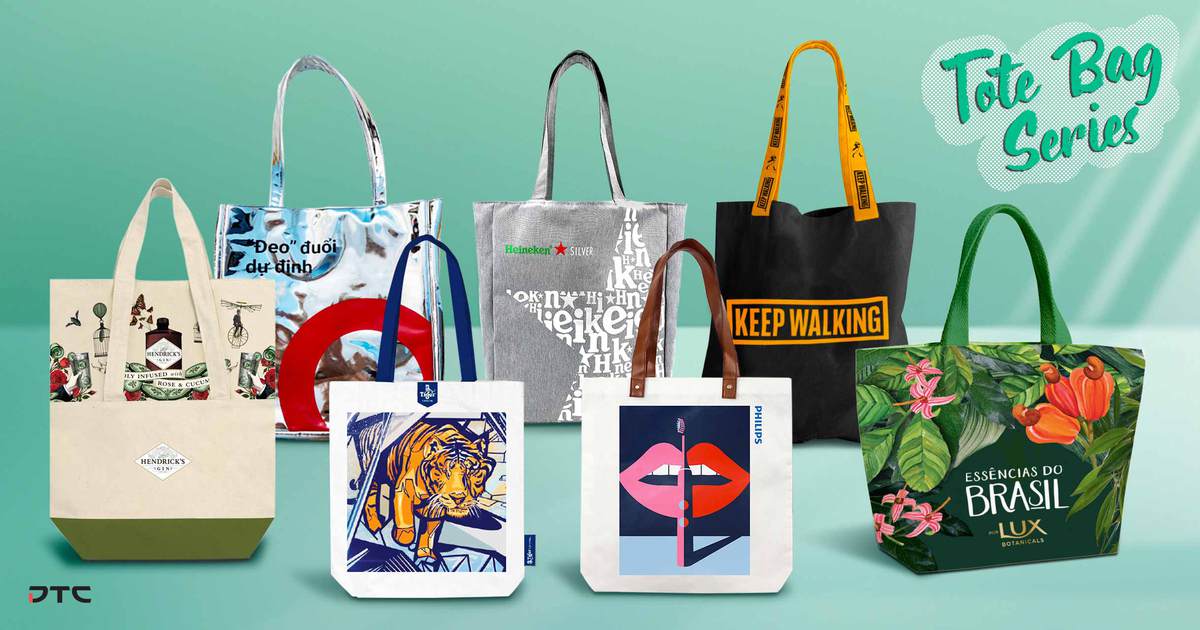
Singapore has always led Southeast Asia in forward-thinking policy—and its approach to plastic waste is no different. Since July 2023, major supermarkets across the island have charged a five-cent fee for every plastic bag dispensed at checkout. For many consumers, the response was simple: bring your own bag. For smart brands, the response was even simpler: give them one.
The result has been a quiet but powerful shift in the promotional merchandise landscape. The custom reusable grocery bag—once a forgettable freebie at trade shows—has become one of the most strategic marketing tools available to retailers, F&B chains, FMCG companies, and lifestyle brands operating in Singapore today.
From Plastic Guilt to Brand Pride
Singaporeans are, by and large, environmentally conscious. The National Environment Agency’s push to reduce single-use plastics has found a receptive audience in a population that reads sustainability messaging carefully and makes purchasing decisions accordingly.
This cultural shift has given brands an unexpected opportunity. A well-designed, reusable grocery bag is no longer just a carrier—it is a statement. When a shopper uses your branded bag at Cold Storage, Sheng Siong, or the wet market downstairs, they are effectively walking around with a mobile advertisement. One that they chose to carry. One that signals values as much as it does brand loyalty.
That level of organic brand visibility is extremely difficult to buy through traditional advertising, and yet it can be unlocked with a well-executed bag campaign.
What Makes a Custom Bag Campaign Actually Work
Not every branded bag gets used beyond the first week. The ones that end up becoming daily companions for Singaporean shoppers share a few common traits:
- Durability and capacity. Singapore’s hawker culture means bags get loaded with char kway teow, economy rice containers, and wet ingredients. Bags need to hold weight and resist moisture. Canvas, non-woven polypropylene, and rPET (recycled PET plastic) are the go-to materials for serious campaigns.
- Designs worth showing off. Limited-edition prints, local cultural motifs, and bold graphic treatments elevate a bag from a giveaway to a collectible. Brands that launch bag series—rather than a single design—create natural collecting behaviour that drives repeat engagement.
- A credible distribution mechanic. Spend-and-get promotions at the checkout, gift-with-purchase at specific product thresholds, and loyalty programme redemptions all create a sense of earned value. When shoppers feel they have ‘won’ the bag, they use it more proudly.
- Eco credentials that hold up. Bags made from certified sustainable or recycled materials resonate with Singapore’s increasingly discerning consumers. Certifications such as OEKO-TEX or GRS (Global Recycled Standard) are worth considering for campaigns targeting premium or wellness-oriented audiences.
The Psychology of the Collectible Grocery Bag
Several supermarket and pharmacy chains in Singapore have already proven that collectible bag series work exceptionally well. The mechanics are straightforward: customers receive a bag after hitting a spending threshold, and a new design releases every few weeks. The result is a feedback loop of anticipation, return visits, and social sharing.
Shoppers who are ‘one bag away’ from completing a set have a compelling reason to top up their basket. Community Facebook groups and Telegram channels pop up to facilitate trades between collectors. Unboxing videos of limited-edition designs get shared on TikTok and Instagram, extending the campaign’s reach far beyond the store.
This is earned media that money alone cannot manufacture. It emerges organically from a product that people genuinely want to own—and that is the hallmark of a truly successful promotional campaign.
Industries Leading the Charge in Singapore
Reusable bag campaigns are thriving across a surprising range of sectors in Singapore:
- Supermarkets and grocery chains use them as loyalty drivers and spend-threshold rewards.
- Pharmacies and health retailers like Guardian incorporate them into gift-with-purchase mechanics during peak sale periods.
- FMCG brands bundle them with product launches or seasonal promotions to increase basket size.
- F&B and beverage brands use them as merchandise tie-ins for limited-edition product lines.
- Banks and telcos offer them as premium gifts for new account holders or contract renewals, adding perceived value beyond the product itself.
Choosing the Right Supplier for Your Campaign
Executing a bag campaign that actually generates engagement requires more than just slapping a logo on a canvas tote. Brands that see the best results work with merchandise partners who offer end-to-end capability: design, material sourcing, manufacturing, quality control, and fulfilment.
For Singapore brands planning their next promotional merchandise push, working with an experienced custom reusable grocery bag supplier with APAC manufacturing reach can significantly reduce costs while maintaining the design quality that Singaporean consumers have come to expect.
Look for suppliers with proven case studies in the Singapore market, transparent material sourcing, and the ability to manage both small pilot runs and large-scale retail rollouts. Certifications such as EcoVadis (which assesses sustainability practices across the supply chain) offer an additional layer of confidence for brands with ESG commitments.
The Bigger Picture: Sustainability as a Brand Strategy
Singapore’s Green Plan 2030 sets ambitious targets for waste reduction and sustainable consumption. For brands operating in this market, aligning with these goals is no longer simply good PR—it is increasingly expected by consumers, investors, and regulators alike.
Custom reusable grocery bags sit at the intersection of practicality and purpose. They address a real daily need (replacing plastic bags), they carry brand messaging at zero ongoing media cost, and they signal a brand’s commitment to sustainability in a tangible, physical way.
In a market where consumers are thoughtful, brand-aware, and increasingly eco-conscious, that combination is a powerful one. Brands that get the execution right—design, material, distribution mechanic—will find that a custom reusable bag campaign delivers returns that few other promotional tools can match.
The humble grocery bag has had quite a glow-up. And for Singapore’s savviest brands, it is just getting started.
About the Author
This article is contributed by DTC World Corporation, an APAC-based brand merchandise agency with over 20 years of experience delivering promotional merchandise, gift-with-purchase campaigns, and eco-friendly branded products for global clients including Nestlé, Unilever, Tiger Beer, and Heineken.
 Global Arena