

 By Global Arena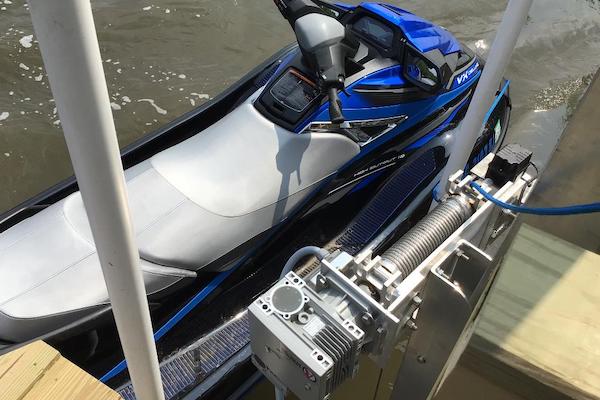
If you own a boat or waterfront property along the South Carolina coast, you already know that protecting your investment starts the moment your vessel leaves the water. Whether you are docked in the Charleston Harbor, nestled along the Intracoastal Waterway, or moored at one of the Lowcountry’s many tidal creeks and inlets, a quality boat lift is one of the smartest decisions you can make as a waterfront property owner.
Boat and Cargo Lifts Carolinas is a marine service dedicated to helping South Carolina residents — and especially those in the greater Charleston area — find, install, and maintain the right lift systems for their specific waterways and vessels.
Why Boat Lifts Matter in South Carolina’s Lowcountry
South Carolina’s coastal environment is beautiful, but it is also demanding. The tidal swings along the Charleston shoreline, the brackish waters of the Ashley and Cooper rivers, and the constant humidity of the Lowcountry create conditions that are especially hard on boat hulls. Leaving a boat in the water for extended periods exposes it to:
- Barnacle and algae growth, which reduce fuel efficiency and require costly cleaning
- Osmotic blistering, caused by prolonged water saturation of the hull
- Corrosion of metal fittings and hardware, accelerated by saltwater exposure
- Tidal surge and storm damage, a particular concern during hurricane season
A properly installed boat lift solves all of these problems by keeping your vessel dry and secure when it is not in use. The result is less maintenance, lower fuel costs, a longer hull lifespan, and peace of mind every time a storm rolls in off the Atlantic.
Types of Boat Lifts Available in the Carolinas
Not all lifts are created equal, and the right choice depends on your boat type, water depth, tidal range, and dock configuration. Here is an overview of the main lift systems commonly installed along the South Carolina coast.
Freestanding Boat Lifts
Freestanding lifts are ideal for properties where a floating dock or fixed pier is not available. These systems sit directly on the waterway floor and are supported by pilings that are driven into the sediment. They are popular in tidal creeks and shallow inlets throughout the Charleston area, where water depths fluctuate significantly between high and low tide.
Floating Boat Lifts
Floating lifts rise and fall with the tide, making them an excellent option for areas with large tidal ranges. Rather than a fixed elevation, the platform adjusts automatically, so your boat is always at a consistent height relative to the water surface. Many waterfront homeowners in the Sea Islands and around Charleston’s harbor prefer this style for its versatility.
Elevator Boat Lifts
Elevator lifts use a vertical cradle system to raise and lower boats straight up and down. These are commonly used on fixed docks and piers and work well for a wide range of boat sizes, from small center consoles to larger cabin cruisers. They offer clean, reliable operation and are among the most popular lift styles installed along the Carolina coast.
PWC and Jet Ski Lifts
Personal watercraft lifts are smaller, more affordable systems designed specifically for jet skis, kayaks, and paddleboards. If your household has multiple watercraft, these lifts can be combined with a larger boat lift system to keep everything organized and out of the water.
Cargo and Equipment Lifts
Beyond boats, marine cargo lifts serve a different but equally important purpose. These systems are used to load and unload heavy equipment, supplies, fuel, and gear between docks, piers, and vessels. Commercial waterfront operations, fishing outfitters, and private waterfront estates with significant logistical needs often rely on cargo lift systems to make daily operations safer and more efficient.
Serving the Greater Charleston Area and Beyond
The Charleston area sits at the heart of one of the most active boating communities on the East Coast. From the historic waterfront of downtown Charleston to the quiet creeks of Johns Island, James Island, Sullivan’s Island, Mount Pleasant, and beyond, thousands of boat owners depend on quality marine lift systems to protect their vessels.
Boat and Cargo Lifts Carolinas understands the unique demands of this region. Local tidal patterns, soil composition, water salinity, and storm exposure all influence which lift system will perform best on any given property. That local expertise is something no catalog purchase or out-of-state installer can replicate.
Service areas in and around the Lowcountry typically include:
- Charleston and the Charleston Peninsula
- Mount Pleasant and the East Cooper area
- James Island and Folly Beach
- Johns Island and Kiawah Island
- Daniel Island
- Sullivan’s Island and Isle of Palms
- Goose Creek and Summerville waterfront communities
- The broader coastal counties of Berkeley, Dorchester, and Colleton
Choosing the Right Lift: Key Factors to Consider
Shopping for a boat lift is not a one-size-fits-all process. A few questions worth asking before you commit to a system include:
What is the weight of your boat, including fuel, gear, and equipment? Lift capacity should always exceed the maximum loaded weight of your vessel by a comfortable margin.
What is the tidal range at your dock? South Carolina’s Lowcountry experiences some of the highest tidal ranges on the East Coast — sometimes reaching six feet or more around Charleston. Your lift system must accommodate this range reliably.
What is the water depth at your dock during low tide? Shallow water limits your options and may require a specialized lift configuration.
Is your dock fixed or floating? This determines which lift styles are structurally compatible with your existing setup.
What material do you want for your lift frame? Aluminum is the preferred material in saltwater environments because it resists corrosion far better than steel. Stainless steel hardware and galvanized components are also worth specifying for coastal installations.
Installation and Maintenance
Even the best lift system will underperform if it is installed incorrectly or neglected over time. Professional installation ensures that pilings are driven to the correct depth, frames are properly aligned, and electrical components are safely wired and sealed against moisture. In a tidal environment like Charleston’s, these details are not optional — they are what separates a lift that lasts decades from one that requires costly repairs within a few seasons.
Routine maintenance typically includes lubricating cables and pulleys, inspecting bunks and cradle pads for wear, checking piling condition, and testing electrical systems. A professional marine service can perform annual inspections and catch small problems before they become expensive ones.
Why Work with a Local Carolina Marine Service
South Carolina’s coastal waterways are unlike those found anywhere else. The ecology, the tidal dynamics, the storm patterns, and the local permitting requirements are all specific to this region. Working with a marine lift company rooted in the Carolinas means working with professionals who have installed systems in these exact conditions — in these tidal creeks, on these docks, against these currents.
Boat and Cargo Lifts Carolinas brings that local knowledge to every project. Whether you are installing a new lift from scratch, replacing an aging system, or adding a cargo lift to a commercial dock, the goal is the same: a reliable, well-built solution that protects your investment and fits the character of the Carolina coast.
Get Started
If you are a waterfront property owner in South Carolina — particularly in the Charleston area — and you are ready to explore your boat or cargo lift options, reaching out to a local specialist is the right first step. A site visit and consultation will clarify which system is right for your specific dock, waterway, and vessel, and give you a clear picture of what installation involves.
Your boat works hard. Keep it protected.
 Prime Star