

 By Global Arena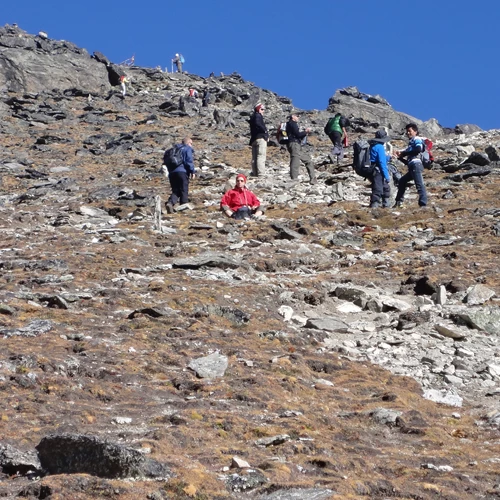
There’s a reason so many travelers put Nepal at the top of their bucket list and never quite cross it off: because once you start reading about trekking in Nepal, you realize one trip simply isn’t enough. Between towering peaks, centuries-old monasteries. And villages that feel like they’ve been frozen in time. The Himalayas have a way of pulling people back again and again.
For most first-timers, the big question is where to even start, and do you go for the legendary Everest Base Camp Trek, the one everyone’s seen in photos? Do you skip the walking altogether and book an Everest Base Camp heli tour instead? Or do you head off the beaten path with the Manaslu Circuit Trek, a route that’s quietly become one of Nepal’s favorite “hidden gem” adventures? Each one gives you a completely different flavor of the Himalayas, and honestly, there’s no wrong answer: just the right one for your time, budget, and sense of adventure.
Everest Base Camp Trek – Walking Towards the Roof of the World
Overview of Everest Base Camp Trek
If you ask ten trekkers to name the one hike they’d do before anything else, most will say Everest Base Camp. It’s the classic route through Nepal’s Khumbu region, starting with that famously hair-raising flight into Lukla before the trail winds its way up through pine forests, suspension bridges, and Sherpa villages toward Everest Base Camp itself. Most people also push on to Kala Patthar, the viewpoint where you finally get that unobstructed shot of Everest’s summit.
It’s become one of the most famous trekking routes on the planet, and not just because of the mountain. There’s something about walking for days, watching the landscape strip down to rock and ice, and knowing you’re inching closer to the tallest point on Earth that makes the whole thing feel bigger than a hike.
Highlights of Everest Base Camp Trek
The natural scenery alone is worth the trip: the Khumbu Glacier, jagged snow peaks, and views of Everest that photos never quite do justice. But the cultural side is just as memorable. You’ll pass through Namche Bazaar, the unofficial capital of the Khumbu, and Tengboche Monastery, perched with a backdrop that looks almost too perfect to be real. Add in swinging suspension bridges, high mountain trails, and the daily rhythm of tea house life, and you get an adventure that hits on every level: nature, culture, and pure physical challenge.
Everest Base Camp Trek Difficulty Level
This isn’t a walk in the park, and it shouldn’t be treated like one. Most itineraries run 12 to 14 days, with daily walks of five to six hours and altitude climbing well above 5,000 meters at Kala Patthar. The biggest hurdle isn’t usually fitness; it’s altitude. Acclimatization days are non-negotiable, and going slow is genuinely part of the strategy, not just advice you can ignore. That said, you don’t need to be a mountaineer. Reasonably fit beginners complete it every season, as long as they train beforehand and respect the altitude.
Everest Base Camp Heli Tour – Luxury Adventure Above the Himalayas
What Is the Everest Base Camp Heli Tour?
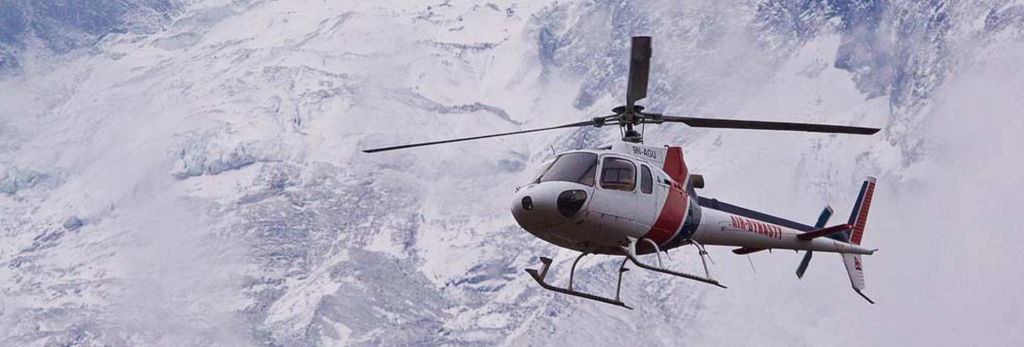
Not everyone has two weeks to spare, and that’s exactly where the Everest Base Camp Heli Tour comes in. Instead of trekking for days, you fly by helicopter straight from Kathmandu into the Everest region, soaking in aerial views of the entire Khumbu range in a fraction of the time. Depending on the itinerary, you’ll land near Everest Base Camp or Kala Patthar, step out for photos with Everest looming behind you, and often stop at Everest View Hotel for breakfast with a mountain backdrop that’s hard to beat.
Why Choose the Everest Base Camp Heli Tour?
The appeal is obvious once you think about it: you get the same jaw-dropping views without weeks of walking. It’s a favorite for travelers on tight schedules, for older visitors who want the Everest experience without the physical strain, and for anyone chasing that once-in-a-lifetime photo without the blisters. If your goal is simply to see Everest up close rather than earn the view step by step, this is the smarter route.
Everest Base Camp Trek vs Everest Base Camp Heli Tour
| Feature | Everest Base Camp Trek | Everest Base Camp Heli Tour |
| Duration | 12–14-day trekking journey | Single-day adventure |
| Experience | Walking through villages and trails | Helicopter sightseeing |
| Difficulty | Challenging, altitude-dependent | Easy, minimal physical effort |
| Cost | More affordable overall | Higher upfront cost |
| Best For | Adventure lovers, trekkers | Luxury travelers, time-limited visitors |
Manaslu Circuit Trek – Nepal’s Hidden Himalayan Adventure
Overview of Manaslu Circuit Trek
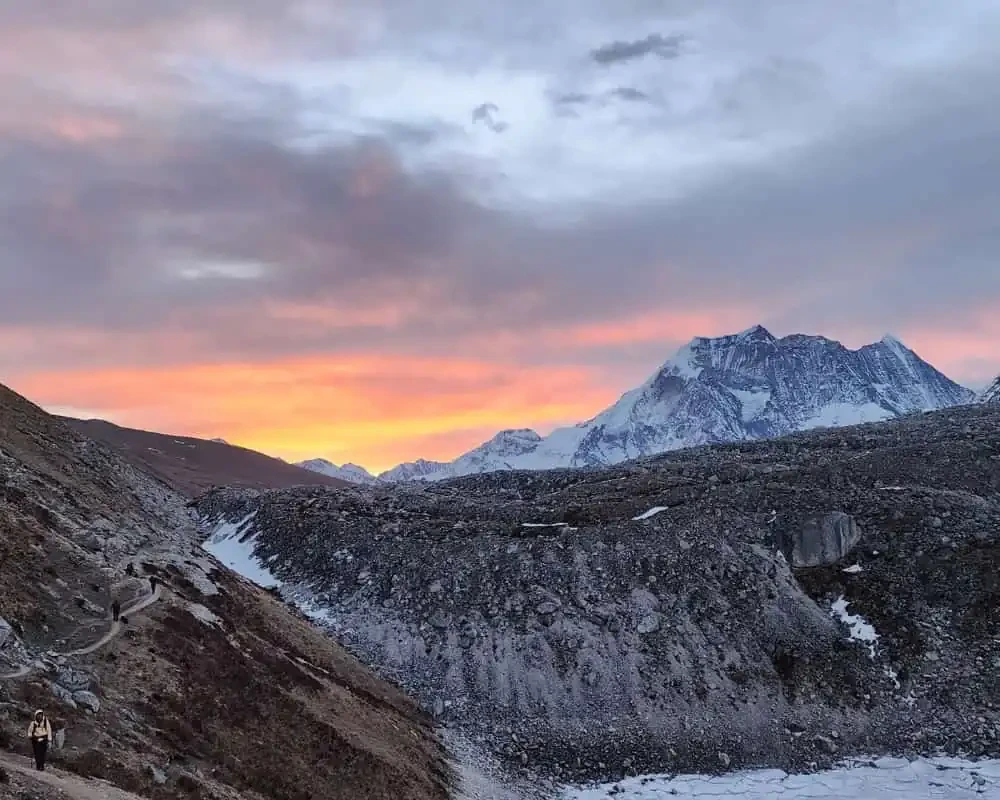
While Everest and Annapurna get most of the spotlight, seasoned trekkers know the Manaslu Circuit Trek is where Nepal still feels wild. The route circles Mount Manaslu, the eighth-highest peak in the world at 8,163 meters, through a region that only opened to trekkers in the early 1990s. Because it’s a restricted area, the trails see far fewer crowds, and the villages along the way still carry that untouched, off-the-map charm, many with strong Tibetan influence in both architecture and daily life.
Main Highlights of Manaslu Circuit Trek
The mountain views alone are stunning, with Manaslu, Himalchuli, and the Ganesh Himal range dominating the skyline for days at a time. What really sets this trek apart, though, is the cultural texture: remote villages, weathered monasteries, and a way of life shaped heavily by Tibetan Buddhist tradition. Then there’s the adventure factor: crossing the Larkya La Pass at over 5,100 meters is one of the most rewarding (and demanding) moments on any trekking route in Nepal, followed by a landscape that shifts from lush forest to high alpine desert almost overnight.
Manaslu Circuit Trek Difficulty and Preparation
Don’t let the “less crowded” label fool you: this trek is just as demanding as Everest Base Camp, if not more so in places. Long walking days, high-altitude passes, and limited infrastructure mean you need solid fitness and a realistic mindset going in. Training with cardio and stair-climbing a few months out, breaking in your boots early, and building in proper acclimatization days will make a huge difference on the trail.
Everest Base Camp Trek vs Manaslu Circuit Trek – Complete Comparison
Landscape Comparison
Everest’s trails are more developed, with better tea houses and that iconic, unmistakable mountain scenery that’s been photographed a million times over. Manaslu, on the other hand, feels rawer: quieter trails, less infrastructure, and a sense that you’re seeing something most visitors to Nepal never will.
Cultural Experience Comparison
Everest region culture is deeply Sherpa, shaped by decades of mountaineering history and busy trekking villages like Namche and Tengboche. Manaslu leans more heavily toward Tibetan Buddhism, with a slower pace and communities that have had far less exposure to mass tourism.
Which Trek Is Better for You?
Go with the Everest Base Camp Trek if you want the classic Himalayan bucket-list experience, love the idea of famous viewpoints, and don’t mind sharing the trail with other trekkers. Choose the Manaslu Circuit Trek if you’d rather skip the crowds, crave something more remote, and enjoy soaking in culture that feels genuinely untouched.
Best Time for Everest Base Camp Trek, Heli Tour, and Manaslu Circuit Trek
Spring (March–May) brings clear skies, comfortable daytime temperatures, and rhododendron forests in full bloom: a favorite window for both regions. Autumn (September–November) is generally considered the best overall season, with stable weather and the sharpest mountain visibility of the year. Winter brings heavy snowfall and closed high passes, while monsoon season (June–August) means muddy trails and limited visibility, so most trekkers plan around these two windows.
Permits Required for Nepal Trekking
For the Everest Base Camp Trek, you’ll need the Sagarmatha National Park Permit along with the Khumbu Pasang Lhamu Rural Municipality Permit. The Manaslu Circuit Trek requires more paperwork since it’s a restricted area: you’ll need the Manaslu Restricted Area Permit, the Manaslu Conservation Area Permit, and often the Annapurna Conservation Area Permit, depending on your exact route. A licensed guide is mandatory for Manaslu, so it’s worth booking through a registered trekking agency and double-checking current regulations before you go, since permit rules do shift from time to time.
Accommodation and Food During Himalayan Treks
Both routes rely mainly on tea houses: simple lodges run by local families that offer a bed, blankets, and a warm dining hall in the evening. Camping is occasionally used on more remote sections of Manaslu. Food is hearty and repetitive in the best way: dal bhat is the trekker’s staple for good reason, alongside noodle soups, momos, and the occasional pizza attempt at higher-altitude lodges. Comfort naturally drops the higher you climb, and staying properly hydrated becomes just as important as what you eat.
Packing List for Everest and Manaslu Trekking
Sturdy trekking boots, warm layers, and a solid down jacket are non-negotiable, along with a good sleeping bag rated for sub-zero temperatures, sunglasses, a reusable water bottle, and trekking poles for the knees on those long descents. Pack any personal medication you might need. On the tech side, bring a camera, a couple of power banks since charging isn’t always reliable, and a headlamp for early starts and dim tea houses.
Tips for a Successful Nepal Himalayan Adventure
Train in the months before you go, and once you’re on the trail, walk slower than feels natural at altitude: your body will thank you. Stick to your acclimatization days even if you’re feeling fine, drink more water than you think you need, and be respectful around monasteries and local customs. Booking with an experienced trekking company and arranging proper travel insurance (one that covers high-altitude trekking and helicopter evacuation) rounds out the essentials.
Frequently Asked Questions (FAQs)
Q1: How difficult is the Everest Base Camp Trek? It’s moderately challenging rather than extreme: the real difficulty comes from altitude rather than technical terrain. Expect five to six hours of walking most days, with acclimatization stops built in to help your body adjust above 4,000 meters.
Q2: Is the Everest Base Camp Heli Tour worth the cost? For travelers short on time or unable to commit to weeks of trekking, yes. You get the same Everest views and bragging rights in a single day, which makes the higher price tag feel justified for a lot of people.
Q3: Which is better, Everest Base Camp Trek or Manaslu Circuit Trek? It really depends on what you’re after. Everest gives you the iconic, well-trodden Himalayan experience, while Manaslu offers something quieter and less commercialized. Neither is objectively “better”: it’s about matching the trek to your travel style.
Q4: What is the best month for the Everest Base Camp Trek? Spring and autumn are your best bets. October and November tend to have the clearest skies, while March through May brings milder weather and blooming rhododendrons along the lower trails.
Q5: Do I need a guide for the Manaslu Circuit Trek? Yes, and it’s not optional: Manaslu is a restricted area, so trekkers must hire a licensed guide as part of the permit requirements. Beyond the legal side, it’s also just safer given how remote parts of the trail can be.
Q6: Is there a trekking company in Nepal for Spanish-speaking travelers? Yes. Viajes a Nepal offers trekking and tour packages designed specifically for Spanish-speaking visitors exploring Nepal
Conclusion: Choose Your Perfect Himalayan Journey
At the end of the day, Nepal doesn’t hand you just one kind of adventure: it hands you three. The Everest Base Camp Trek delivers that legendary, once-in-a-lifetime walk toward the world’s highest peak. The Everest Base Camp Heli Tour hands you those same views wrapped up in a single unforgettable day. And the Manaslu Circuit Trek pulls you into a slower, more remote side of the Himalayas that fewer travelers ever get to see. Whichever one you choose, let your time, budget, and appetite for adventure be your guide, because in Nepal, there really isn’t a wrong way to fall in love with the mountains.
 Prime Star