Living in Cane Bay Roofing means enjoying Lowcountry charm, moss-draped trees, and warm coastal air — but it also means living in a part of South Carolina that sees its fair share of heavy rain, high winds, and hurricane threats each year. If you own a home in this area, your roof, gutters, and siding are your first line of defence against the weather. Waiting until a storm is on the radar to think about roof repairs is a common mistake that ends up costing homeowners far more than routine maintenance ever would.
Here’s a practical, no-nonsense guide to keeping your home protected year-round.
Why Roofs Take the Hardest Hit in the Lowcountry
South Carolina’s coastal climate is uniquely tough on roofing materials. Humidity accelerates the breakdown of asphalt shingles, intense summer sun causes granule loss, and sudden downpours test every seam and flashing point on your roof. Add hurricane season into the mix, and a roof that looked fine in spring can develop hidden weaknesses by fall.
The most common issues homeowners in this region face include:
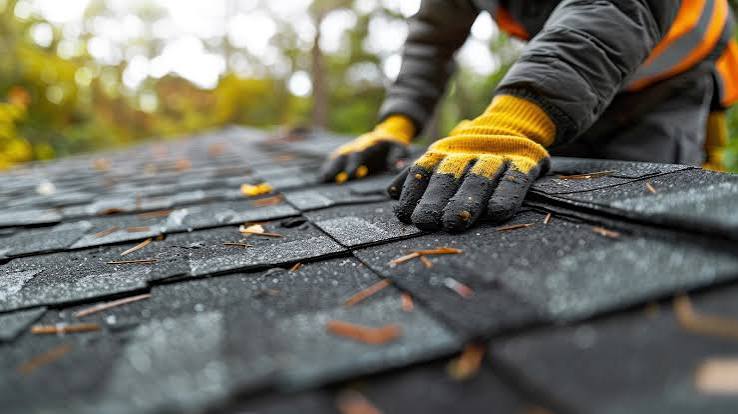
- Curling or lifting shingles caused by heat cycling and UV exposure
- Soft spots or sagging from long-term moisture intrusion
- Flashing failures around chimneys, vents, and skylights
- Granule loss that leaves shingles brittle and less wind-resistant
A roof inspection twice a year — ideally in spring and again before hurricane season ramps up — catches these problems while they’re still cheap and easy to fix.
Gutters: The Underrated Line of Defense
Gutters rarely get attention until they fail, but a clogged or damaged gutter system can cause more structural damage than people expect. When gutters back up, water doesn’t just spill over the edge — it can seep behind fascia boards, soak into siding, and pool near your foundation.
A few signs your gutters need professional attention:
- Water stains or streaking on siding below the gutter line
- Sagging sections or gutters pulling away from the roofline
- Standing water near the foundation after rain
- Plant growth or debris buildup that never seems to clear
Seamless gutters with properly sized downspouts make a noticeable difference in how well a home handles a tropical downpour. If your gutters were installed more than 15 years ago, it’s worth having them evaluated alongside your roof.
Siding: More Than Curb Appeal
Siding does more than make a home look good — it’s a moisture barrier that protects the wood framing and insulation underneath. In humid climates, damaged or improperly sealed siding can lead to mold growth and wood rot long before it becomes visible from the street.
Warning signs worth watching for include:
- Warping or buckling panels
- Cracks or gaps at seams and corners
- Peeling paint, which often signals moisture trapped underneath
- A musty smell inside exterior walls
Fiber cement and engineered wood siding have become popular choices in this region because they resist moisture and pests better than traditional wood siding, while still holding up to salt-tinged coastal air.
What to Do After a Storm
Even a well-maintained home can take damage during a significant storm. After any major weather event, a careful inspection is essential — but safety comes first. Avoid walking on the roof yourself, especially if there’s any visible sagging, and instead look for these signs from the ground:
- Missing or displaced shingles
- Visible dents or damage from debris
- Gutters pulled loose or hanging
- Water stains appearing on interior ceilings
- Siding panels cracked or blown off
Documenting damage with photos as soon as it’s safe to do so will also make any insurance claim smoother. A professional inspection afterward can identify damage that isn’t obvious from the ground, such as lifted shingle edges or compromised flashing that could lead to leaks weeks later.
Building a Maintenance Habit, Not Just a Storm Reaction
The homeowners who avoid costly emergency repairs are usually the ones who treat roof, gutter, and siding care as routine maintenance rather than a once-in-a-while emergency response. A simple seasonal checklist can go a long way:
- Inspect the roof visually each spring and fall
- Clean gutters at least twice a year, more often under heavy tree cover
- Trim overhanging branches that could scrape shingles or fall during high winds
- Check siding for gaps, cracks, or soft spots
- Schedule a professional inspection before hurricane season begins
Final Thoughts
A home in Cane Bay Roofing faces real weather challenges, but most roofing, gutter, and siding failures don’t happen overnight — they build up slowly until a storm exposes the weak point. Staying ahead of small issues with regular inspections and timely repairs is the most reliable way to protect your home’s value and your family’s safety through every hurricane season.
If it’s been a while since your roof, gutters, or siding were professionally checked, now is a good time to schedule an inspection — before the next storm makes the decision for you.