

 By Global Arena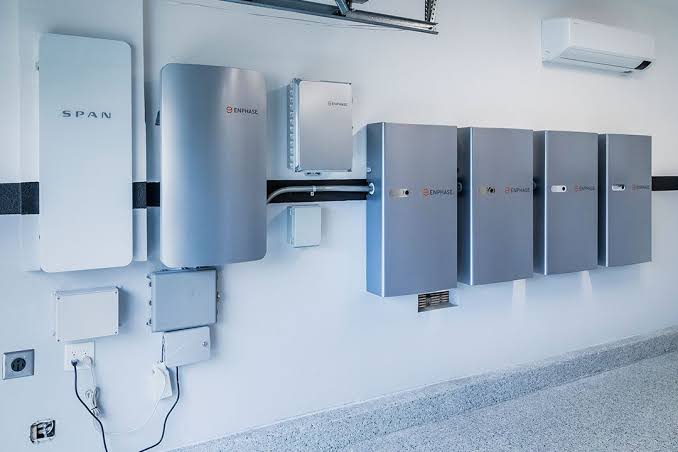
Many solar owners bought panels years before batteries became common. Now export credits, outages, and evening rates make storage more appealing. Adding a solar battery storage system to existing panels is possible, but the retrofit details matter.
Review the existing inverter
Older solar systems may use an inverter that was not designed with batteries in mind. A retrofit may add AC-coupled battery equipment, replace the inverter, or redesign part of the system. The best option depends on equipment age, warranty, electrical layout, and backup goals.
Check solar export data
Before adding storage, homeowners should check how much solar is actually exported. If the system sends plenty of power to the grid at low value, a battery may capture useful energy. If the home already consumes most solar production, storage may be justified more by backup than by self-consumption.
Backup may require extra equipment
Panels alone usually shut down when the grid fails. To power loads during an outage, the system needs approved transfer equipment and islanding capability. A add battery storage to solar should be assessed by how it connects to the existing solar array and whether it can safely support backup operation.
Monitoring can get messy
Retrofits sometimes leave homeowners with separate apps for solar, battery, and utility data. That can make troubleshooting harder. A more unified platform can show solar production, charging behavior, discharge timing, and backup reserve together.
Ask whether replacement is smarter
If the solar inverter is old or the household plans major electrification, a broader upgrade may be more sensible than a minimal add-on. BloombergNEF has reported steep long-term battery cost declines, but installation design still drives value. Homeowners comparing SigenStor energy storage system can ask whether an integrated retrofit or larger redesign best fits the next decade.
A useful way to judge this topic is to ask what would happen on three different days: a bright weekday with normal solar production, a cloudy evening with high household use, and a grid outage that starts after sunset. Those scenarios expose weaknesses that a simple capacity number can hide. They also help the homeowner decide whether the system is mainly for bill control, backup confidence, solar self-consumption, or future electrification.
The installer should be able to explain the operating mode in plain English. When does the battery charge from solar? When does it discharge? How much reserve is protected for outages? What happens if an EV charger, heat pump, or large appliance starts at the same time? These details are practical, not academic, because they determine whether the system feels calm during real use.
It is also worth asking for assumptions in writing. Solar production estimates, rate schedules, backed-up loads, usable battery capacity, and incentive assumptions should be visible in the proposal. According to NREL, installed solar-plus-storage costs depend on configuration and site conditions, so a transparent proposal is often more valuable than a single headline price.
Homeowners should not overlook the monitoring experience. A battery app should show enough information to build trust without turning daily life into a technical chore. Clear views of solar production, home consumption, grid imports, battery state of charge, and backup reserve make it easier to adjust settings as seasons, rates, and household loads change.
The proposal should also explain what happens when conditions are not ideal. A cloudy week, a summer heat wave, a winter storm, or a sudden change in utility pricing can all affect performance. A strong design does not pretend those cases never happen; it shows how the system prioritizes essential loads, preserves reserve, and uses solar production when it is available.
Finally, the homeowner should compare the battery decision with other energy upgrades. Better insulation, a more efficient heat pump, smarter EV charging, or a revised utility plan may change the required battery size. Storage works best when it is part of a whole-home energy plan rather than a standalone purchase made from a spec sheet.
That practical mindset also helps avoid overbuying. The right system should be large enough to solve the defined problem, clear enough to manage, and flexible enough to remain useful as the home changes.
The best solar battery storage system is not the one with the loudest claim. It is the one that matches the home’s solar production, daily loads, outage expectations, and future electrical plans.