Chicken gizzards are one of the most underrated parts of poultry, yet they are widely used in many traditional cuisines around the world. While many people are familiar with common cuts such as breast, wings, or thighs, the gizzard belongs to a category known as organ meat or offal. Despite being less popular in some regions, chicken gizzards are valued for their rich flavor, high protein content, and affordable price. Understanding what chicken gizzards are, how they taste, and the best ways to cook them can help home cooks discover a nutritious and flavorful ingredient that fits into many different recipes.
What Chicken Gizzard Actually Is
A chicken gizzard is a muscular organ that forms part of the bird’s digestive system. Unlike humans, chickens do not have teeth to grind food. Instead, the gizzard performs the mechanical grinding process that breaks down food before digestion continues. The walls of the gizzard are thick and powerful, allowing it to crush grains, seeds, and other food particles.
Because the gizzard is such a strong muscle, the meat tends to be firmer than typical poultry cuts. This unique structure is the reason why proper cooking techniques are important when preparing chicken gizzards. When cooked correctly, the texture becomes tender and flavorful, making it a favorite ingredient in many traditional dishes.
Why Chickens Have Gizzards
The digestive system of birds differs significantly from mammals. Chickens swallow small stones or grit that settle in the gizzard. These tiny particles help grind food as the muscular organ contracts. The grinding action replaces the chewing process that mammals perform with their teeth.
This biological function explains why gizzards are tougher than other parts of the chicken. However, the same muscular density that makes them firm also gives them a deep, rich flavor that many people enjoy once they learn the right cooking techniques.
Taste and Texture of Chicken Gizzards
Chicken gizzards have a distinct taste that is often described as rich, meaty, and slightly earthy. The flavor is stronger than chicken breast but milder than some other organ meats. Because they are part of the digestive system, their texture is naturally firm and chewy.
When cooked improperly, gizzards can feel tough. However, when they are simmered, braised, or pressure cooked long enough, the connective tissue breaks down and the meat becomes tender. Many experienced cooks prefer slow cooking methods because they bring out the best flavor while softening the texture.
Nutritional Value of Chicken Gizzards
Chicken gizzards are highly nutritious and offer a range of health benefits. They are particularly known for their high protein content and low fat levels, making them a good choice for balanced diets.
Key nutritional highlights include:
High protein levels that support muscle growth and repair
Low carbohydrate content suitable for low-carb diets
Essential vitamins such as vitamin B12 and niacin
Important minerals including iron, zinc, and phosphorus
Relatively low calorie content compared to many other meats
Because of these nutrients, chicken gizzards are often included in high-protein meal plans. They are also a good option for people looking for affordable sources of iron and vitamin B12.
Health Benefits of Eating Chicken Gizzards
Adding chicken gizzards to your diet can provide several potential health benefits when consumed in moderation.
Protein for muscle development
The high protein content supports muscle repair, growth, and overall body function.
Iron for healthy blood circulation
Iron plays a key role in producing hemoglobin, which helps transport oxygen throughout the body.
Vitamin B12 for energy production
Vitamin B12 contributes to nerve health and helps maintain normal energy levels.
Low fat content
Compared to many cuts of red meat, chicken gizzards contain relatively little fat, making them a lighter protein option.
These benefits make gizzards a valuable addition to meals for individuals seeking nutrient-dense foods.
How to Clean Chicken Gizzards Properly
Before cooking chicken gizzards, it is important to clean them properly. Many gizzards sold in stores are already partially cleaned, but some preparation may still be required.
Basic cleaning process includes:
Rinse the gizzards under cold running water
Trim away any excess fat or connective tissue
Remove any remaining yellow membrane if present
Cut the gizzards open and rinse the interior thoroughly
Some cooks prefer soaking the cleaned gizzards in lightly salted water for a short time to remove any remaining impurities. Proper cleaning ensures a better flavor and smoother cooking process.
Best Cooking Methods for Chicken Gizzards
Because of their firm texture, chicken gizzards benefit from cooking methods that allow the meat to soften over time. Several techniques can produce excellent results depending on the recipe.
Slow simmering
Simmering gizzards in broth or seasoned water for one to two hours gradually softens the muscle fibers.
Braising
Cooking gizzards slowly in a covered pot with liquid allows the meat to become tender while absorbing flavors from herbs and spices.
Pressure cooking
Using a pressure cooker significantly reduces cooking time while still achieving a tender texture.
Deep frying
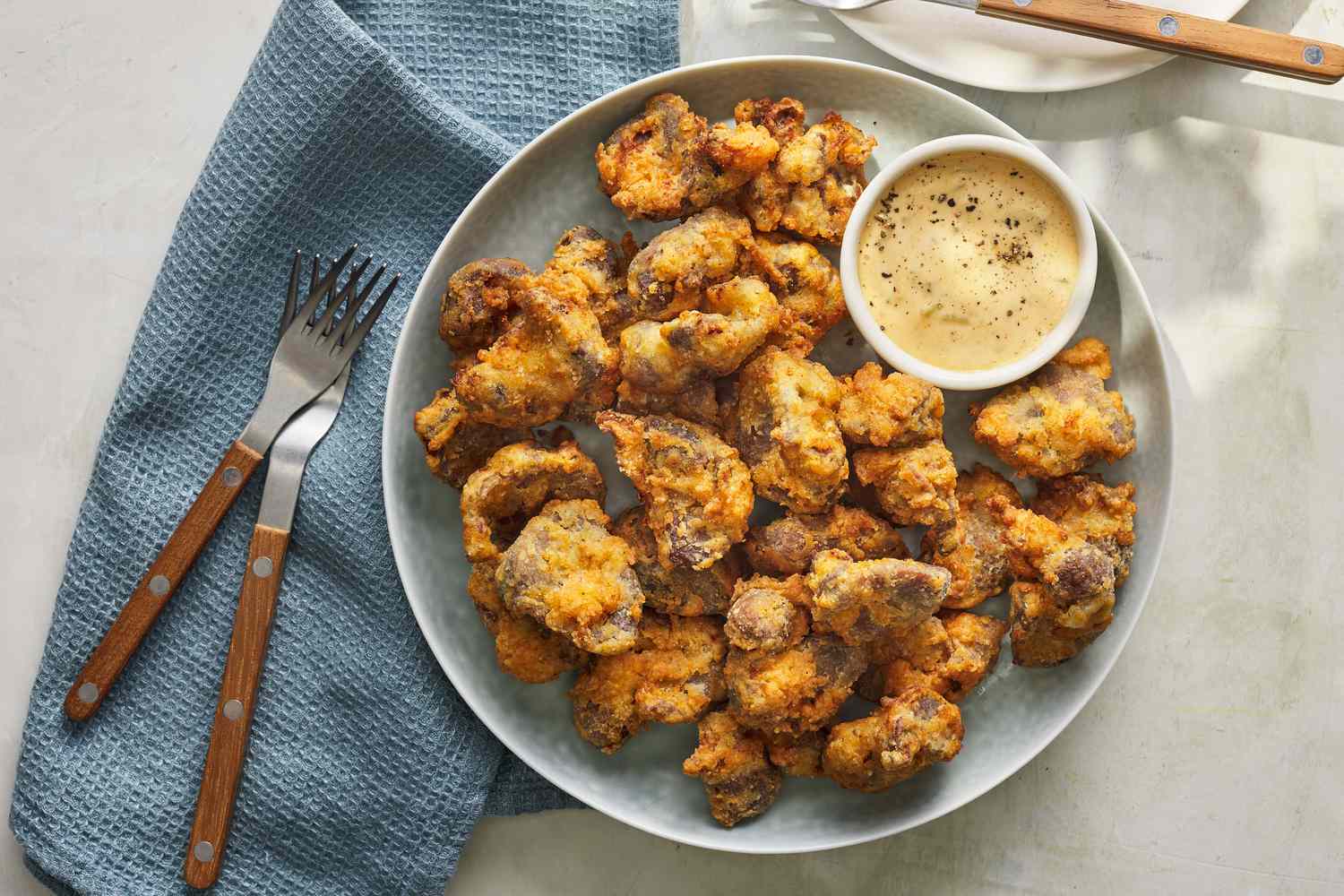
Some recipes boil or pressure cook the gizzards first, then coat them in seasoning and fry them until crispy.
Stir-frying
Thinly sliced gizzards can be stir-fried with vegetables and sauces after being pre-boiled.
Each method highlights different aspects of flavor and texture, giving cooks flexibility in how they prepare this ingredient.
Popular Dishes Made With Chicken Gizzards
Chicken gizzards appear in many traditional recipes around the world. Their strong flavor allows them to work well in both simple home cooking and more elaborate dishes.
Common dishes include:
Fried chicken gizzards served with dipping sauces
Hearty gizzard stews with vegetables and spices
Grilled gizzards seasoned with herbs
Stir-fried gizzards with garlic, chili, and soy sauce
Rice dishes featuring slow-cooked gizzards
These dishes demonstrate how versatile the ingredient can be when paired with the right flavors.
Tips for Making Chicken Gizzards Tender
Cooking gizzards successfully requires a few key techniques that help soften their naturally firm texture.
Cook them slowly and patiently
Use moist heat methods such as simmering or braising
Avoid cooking at very high temperatures without pre-tenderizing
Allow enough time for connective tissues to break down
Another helpful technique is slicing the gizzards into smaller pieces after boiling them. Smaller pieces absorb seasoning better and cook more evenly.
Common Mistakes When Cooking Gizzards
Many people avoid cooking chicken gizzards because they have had tough or unpleasant experiences with them. However, most problems occur due to simple mistakes during preparation.
Not cooking them long enough
Skipping the cleaning process
Using dry heat without tenderizing first
Overcrowding the pan during frying
Avoiding these mistakes can greatly improve the final texture and flavor of the dish.
Storage and Handling Tips
Proper storage helps maintain the freshness and quality of chicken gizzards.
Refrigerate raw gizzards and use them within one to two days
Freeze them if they will not be cooked immediately
Store cooked gizzards in airtight containers
Reheat gently to avoid making them tough
Freezing can extend their shelf life for several months while preserving their nutritional value.
Why Chicken Gizzards Are Becoming More Popular
In recent years, many home cooks and food enthusiasts have started exploring traditional ingredients that were once overlooked. Chicken gizzards fit perfectly into this trend because they are affordable, nutritious, and versatile.
People interested in reducing food waste also appreciate the idea of using every part of the animal. Cooking with organ meats such as gizzards supports this philosophy while also introducing new flavors and culinary techniques.
Final Thoughts
Chicken gizzards may not be the most common poultry ingredient, but they offer a unique combination of flavor, nutrition, and affordability. Their firm texture and rich taste make them suitable for many different cooking styles, from slow-cooked stews to crispy fried dishes. With proper cleaning, careful cooking methods, and a bit of patience, chicken gizzards can become a satisfying and nutritious addition to a wide variety of meals. Whether you are experimenting with traditional recipes or simply looking for a high-protein ingredient that fits within a budget-friendly diet, chicken gizzards provide an excellent opportunity to expand your cooking experience and discover new culinary possibilities.