

 By Prime Star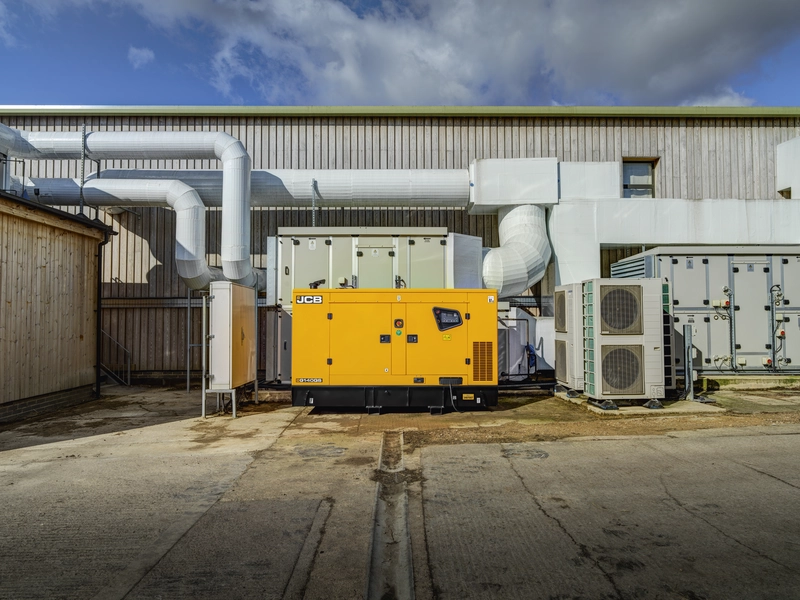
A site manager overseeing a residential development in Abu Dhabi ran into a problem that took longer to diagnose than it should have. The construction dumpers on site kept losing hydraulic function mid-operation — not dramatically, just enough to slow the tipping cycle and create a backlog that ground the earthmoving schedule to a halt by mid-afternoon. The diesel powertrain was fine. The problem was the onboard power supply sucking on the hydraulic system, which had been understeered for the load the site was putting on it.
That kind of problem sits in the gap between what equipment manufacturers test for and what real construction sites actually demand. Modern dumpers have more electrical systems running off the generator than their predecessors did — hydraulics, cab controls, lighting, safety systems, sometimes telematics. The original power configurations on older units weren’t designed with that cumulative draw in mind.
Why The Generator Question Matters More On Modern Dumpers
The shift toward electrically driven auxiliary systems on construction dumpers has been gradual enough that it hasn’t always prompted a corresponding conversation about power supply. A dumper that ran fine on its original setup five years ago may now be drawing significantly more from the same electric generator because additional systems have been retrofitted or updated. The generator doesn’t announce when it’s being pushed — it just starts to deliver less reliably under load.
On sites where dumpers are working continuously across long shifts, that unreliability shows up as hydraulic lag, intermittent warning lights, or systems dropping in and out. None of it looks catastrophic in isolation. Collectively, it adds up to a machine that’s working below its capability and a crew that’s compensating without fully understanding why.
Matching Generator Capacity To Actual Site Demands
The calculation that tends to get skipped is the aggregate electrical demand across a full operating cycle. How many systems are drawing simultaneously? What does peak load look like when the hydraulic tip, the cab controls, and the lighting are all running at once? That figure, rather than any single system’s rated draw, is what should be informing the generator specification.
For sites running multiple dumpers in close rotation, the question extends to whether a centralised supplementary power source makes sense alongside the onboard systems. A well-positioned portable generator can support charging infrastructure, power site tools in the same zone, and reduce the load cycling that shortens the life of onboard systems — without requiring the dumpers themselves to be taken out of rotation for upgrades.
Noise And Environment Considerations On Urban Sites
Construction in built-up areas in the UAE has become subject to increasingly firm expectations around noise management — from municipalities, from neighbouring developments, and from the projects themselves, where residential units are occupied before the surrounding work is finished.
A silent generator used to be a premium option that smaller contractors didn’t seriously consider. The market has shifted so that acoustic enclosure is now standard on many mid-range units, and the price gap between conventional and low-noise options has narrowed considerably. For dumper operations running within earshot of occupied buildings or during restricted hours, that narrowing makes the conversation straightforward in a way it wasn’t before.
Integration With Telematics And Site Management Systems
The newer generation of construction dumpers is increasingly being built with telematics capability — tracking location, load cycles, fuel consumption, and operating hours in real time. The power supply feeding those systems needs to be stable enough that the data being collected is actually reliable. A generator that fluctuates under load introduces noise into the telematics data that makes fleet management decisions harder rather than easier.
This is a consideration that rarely comes up when generator specifications are being discussed, but it matters more as site management systems become central to how contractors track productivity and manage maintenance schedules. The generator isn’t just keeping the hydraulics running anymore — it’s keeping the data infrastructure running too, and that demands a different standard of consistency than older sites ever required.
 Global Arena