

 By Global Arena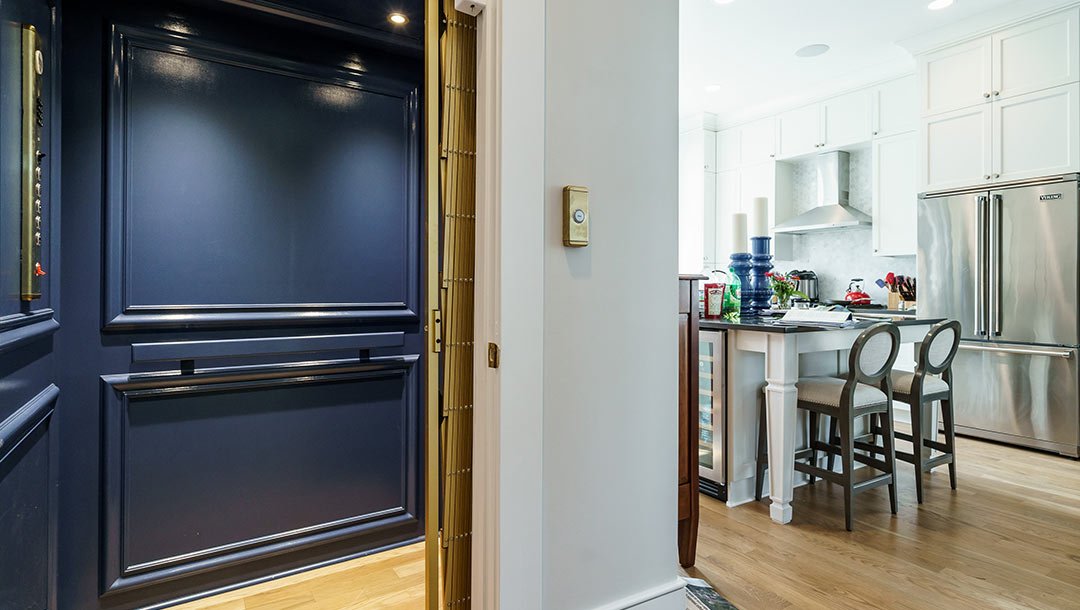
A decade ago, a home elevator was something you’d expect to find in a coastal mansion or a downtown Charleston mansion carriage house, not in a standard two-story house off Savannah Highway. That’s changed. Across the Lowcountry and the rest of South Carolina, homeowners are adding elevators to houses that were never built with one in mind, and they’re doing it for reasons that have nothing to do with luxury.
CHS Elevators has watched this shift happen from the inside. As a residential elevator installer working across South Carolina, the company has seen requests move from the occasional custom estate job to a steady stream of calls from families planning ahead, or reacting to something that already happened, like a knee replacement that made the staircase impossible.
It’s Not Just About Aging in Place Anymore
Aging in place is still the biggest driver, and for good reason. Charleston, Mount Pleasant, and Summerville have some of the fastest-growing retiree populations in the Southeast, and most of the housing stock in those areas simply wasn’t designed with mobility in mind. Two-story homes with the primary bedroom upstairs are the norm, not the exception, in neighborhoods built in the 80s and 90s. Rather than sell and move somewhere single-level, a growing number of owners are choosing to retrofit.
But that’s only part of the picture now. Younger buyers renovating older Charleston-area homes are installing elevators as a practical convenience, especially in taller coastal builds where the ground floor sits on pilings and the living space starts a full flight up. Carrying groceries, luggage, or a stroller up three flights gets old fast, and an elevator solves that in a way a second trip to the car never will.
What Actually Goes Into a Residential Install
People often assume a home elevator requires tearing a house apart. Sometimes it does. More often, it doesn’t. Pneumatic vacuum elevators, for instance, don’t need a traditional shaft, machine room, or pit, which makes them a realistic option for retrofits where space is tight. Hydraulic and traction systems still have their place, particularly in new construction where the shaft can be planned into the framing from the start, but they come with more site prep and a longer install window.
The real work happens before anyone touches a wall. A residential elevator installer has to look at ceiling heights, existing floor plans, load-bearing walls, and where the electrical panel sits before recommending a system at all. South Carolina’s coastal counties add another layer: flood zone requirements, humidity, and salt air all affect which equipment holds up over time, particularly for homes near Charleston Harbor or the barrier islands.
Permitting is its own project. South Carolina counties handle elevator permits differently, and inspections typically involve both the local building department and, depending on the system, a state elevator inspector. Anyone installing without a licensed, experienced contractor is likely to run into delays here, if not outright rejection at final inspection.
Cost Is Rarely What People Expect
Home elevators in South Carolina generally run anywhere from the high twenty-thousands to well over six figures, and the spread comes down to a handful of variables: how many stops, whether an existing shaftway or stairwell opening can be used, the finish package, and how much structural modification the house needs. A single-family retrofit with a compact pneumatic unit tends to land on the lower end. A custom multi-stop hydraulic elevator with a paneled cab and glass doors, built into new construction, is a different budget entirely.
What tends to catch people off guard isn’t the equipment cost itself, but everything around it: electrical work, structural reinforcement, and finish carpentry to match the rest of the home. Getting an accurate number means a walkthrough, not a phone estimate, which is exactly why most reputable installers in the Charleston area start there instead of quoting blind.
Choosing the Right Installer in the Lowcountry
CHS Elevators focuses specifically on residential installations across Charleston, Mount Pleasant, Summerville, and the surrounding Lowcountry, which means the team is already familiar with local permitting quirks, coastal building conditions, and the kind of retrofit challenges that come up again and again in this part of the state. That local, repeated experience is often the difference between a smooth install and a project that stalls out waiting on a fix nobody anticipated.
For homeowners weighing whether an elevator makes sense, the smartest first step is a site visit rather than a guess based on national averages found online. Every house in this region carries its own quirks, from crawl space foundations to piling construction, and those details end up shaping the whole project.