

 By Singapore Local News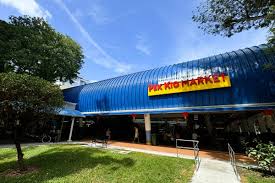
Pek Kio Market, located in the vibrant Farrer Park area of Singapore, is a quintessential example of a traditional Singaporean hawker centre and wet market combined. With its blend of heritage charm and contemporary food offerings, it has become a hub for both locals and tourists seeking authentic Singaporean cuisine. The market is renowned for its variety of stalls, each offering a unique culinary experience, and the wet market section provides fresh produce and ingredients for daily cooking.
Historical Background
The origins of Pek Kio Market date back several decades, and it has been a cornerstone of the local community. Initially serving as a basic wet market for residents, it gradually incorporated hawker stalls to cater to the evolving demands of the neighbourhood. Over the years, Pek Kio Market has maintained its traditional layout, featuring a central food court surrounded by market stalls, allowing visitors to experience a slice of old Singapore while enjoying modern amenities.
Layout and Architecture
Pek Kio Market features a practical and organized layout designed to accommodate a large number of visitors. The food centre is centrally located, with wide walkways that facilitate smooth pedestrian traffic. The wet market surrounds the hawker area, providing easy access to fresh ingredients. The architecture reflects a blend of functional design with subtle heritage elements, such as tiled floors, high ceilings, and open-air sections that enhance ventilation and natural light.
Food Stalls and Culinary Offerings
Signature Dishes
Pek Kio Market is renowned for its variety of signature dishes. Some of the most popular items include:
- Prawn Mee: A rich and flavorful noodle soup made with prawns, pork, and aromatic broth.
- Carrot Cake: A savory dish made from radish and rice flour, stir-fried with eggs and preserved radish.
- Char Kway Teow: Stir-fried flat rice noodles with prawns, Chinese sausage, and bean sprouts.
- Hainanese Chicken Rice: Tender poached chicken served with fragrant rice and complementary sauces.
Specialty Stalls
Each stall at Pek Kio Market offers a unique specialty, attracting repeat customers. Some stalls are family-run businesses that have been operating for decades, offering recipes passed down through generations. This authenticity contributes to the market’s charm and reputation.
Food Variety
Beyond signature dishes, the market provides a wide range of cuisines, including Malay, Indian, and Western influences. Vegetarian and halal options are also available, ensuring that visitors with dietary preferences can find suitable meals.
Wet Market Section
The wet market section of Pek Kio offers fresh produce, meats, seafood, and specialty ingredients. Vendors source their products from local suppliers and regional farms, ensuring freshness and quality. This section is particularly popular among home cooks and chefs who prefer to handpick their ingredients for optimal flavor in cooking.
Visiting Experience
Best Time to Visit
The market experiences peak crowds during lunch and dinner hours. Early mornings are ideal for purchasing fresh produce, while late afternoons offer a quieter dining experience.
Navigation Tips
- Start at the entrance and explore the hawker stalls before heading to the wet market.
- Carry a small shopping bag for purchases from wet market vendors.
- Observe stall opening times, as some specialty stalls operate on limited hours.
Accessibility
Pek Kio Market is easily accessible by public transportation, with nearby MRT stations and bus stops. The surrounding area offers ample parking facilities, making it convenient for both residents and visitors.
Culinary Culture
Community and Heritage
Pek Kio Market is more than a food destination; it is a community hub. Local residents gather here daily, fostering a sense of belonging and continuity. The market preserves traditional culinary practices while adapting to contemporary tastes.
Food Preparation and Techniques
Many hawker stalls at Pek Kio maintain traditional cooking techniques. Ingredients are often freshly prepared on-site, with meticulous attention to flavor balance, presentation, and hygiene. This dedication to quality is a key factor in the market’s enduring popularity.
Seasonal Offerings
Certain stalls feature seasonal dishes, such as festive specialties during Chinese New Year or unique seafood preparations during specific months. These limited-time offerings enhance the market’s appeal and encourage repeat visits.
Practical Information
Opening Hours
Pek Kio Market generally operates from early morning until late evening. Specific stall hours may vary, so visitors are encouraged to check individual vendor timings.
Pricing
Food offerings are priced affordably, catering to a wide range of budgets. Most dishes range from moderate to low-cost, making it accessible for daily dining or occasional treats.
Facilities
- Seating: Ample seating is available within the hawker area, including both indoor and semi-open sections.
- Restrooms: Clean and maintained restrooms are provided within the premises.
- Payment Options: Cash is widely accepted, with some stalls offering cashless payment options such as mobile wallets.
Tips for First-Time Visitors
- Try multiple stalls: Sampling dishes from different vendors provides a comprehensive experience of the market’s offerings.
- Observe queue patterns: Popular stalls often have long queues; joining early can reduce waiting time.
- Engage with vendors: Many stall owners are willing to share recommendations and cooking insights.
Local Insights
Hidden Gems
While some stalls are well-known for signature dishes, several lesser-known vendors offer unique flavors worth exploring. These hidden gems often provide smaller portions or experimental dishes that reflect creative culinary approaches.
Food Pairing Suggestions
Certain dishes complement each other well. For example, prawn mee pairs excellently with a side of carrot cake, while char kway teow can be enhanced with a refreshing local beverage.
Community Stories
Many long-standing vendors have personal stories connected to the market, such as family recipes, migration histories, or community engagement. Sharing these narratives adds depth to the visitor experience and preserves cultural heritage.
Comparison with Other Markets
Pek Kio Market distinguishes itself from other Singaporean hawker centres through its combination of wet market and food centre in a heritage-rich setting. Unlike larger commercial food courts, Pek Kio maintains a human scale and authenticity, offering both culinary diversity and a sense of community.
Sustainability Practices
Several vendors at Pek Kio Market are adopting sustainable practices, such as reducing plastic usage, sourcing local ingredients, and minimizing food waste. These initiatives align with broader environmental goals and appeal to eco-conscious visitors.
Seasonal Events and Promotions
While Pek Kio Market is primarily a daily-use facility, certain stalls occasionally offer promotional items or seasonal dishes to attract new customers. These events contribute to the market’s dynamic atmosphere and provide unique tasting experiences.
Food Photography and Visual Appeal
For food enthusiasts and bloggers, Pek Kio Market offers a visually rich environment. The combination of vibrant dishes, colorful stalls, and bustling crowds makes it ideal for photography. Capturing the market’s energy alongside detailed shots of food enhances the storytelling aspect.
Culinary Education Opportunities
Some experienced vendors offer insights into food preparation, including cooking techniques, ingredient selection, and traditional recipes. This informal education enriches the cultural and culinary understanding of visitors.
Community Engagement
Pek Kio Market regularly engages with the local community through various initiatives, such as promoting local produce, supporting small-scale suppliers, and participating in cultural festivals. This engagement strengthens the market’s role as a social hub beyond food.
Technology Integration
While maintaining traditional elements, some stalls are integrating technology to improve customer experience. Examples include digital menu displays, QR code ordering systems, and social media updates on stall offerings.
Health and Safety Measures
Hygiene is a key focus, with regular cleaning schedules, proper food storage, and compliance with local health regulations. These measures ensure visitor safety and enhance trust in the market’s quality.
Navigational Aids
To assist first-time visitors, maps of stall locations, signage, and clear directional indicators are provided. These aids enhance accessibility and allow efficient exploration of the market.
Food Pairing and Beverage Options
Complementary beverages such as traditional teas, local coffee, and fresh fruit juices are available. Matching these drinks with specific dishes can enhance the overall culinary experience.
Special Dietary Options
Vendors increasingly cater to special dietary requirements, including vegetarian, vegan, and halal options. Clear labeling and dedicated stalls make it easier for visitors with dietary preferences to enjoy the market.
Photography and Social Media Tips
For content creators, capturing the market involves highlighting both the culinary and cultural aspects. Combining close-up shots of dishes with wider shots of the market environment provides a comprehensive visual narrative.
Planning Your Visit
- Allocate 2-3 hours to explore both the hawker centre and wet market.
- Bring small change for quick transactions.
- Consider visiting on weekdays to avoid peak crowds.
- Plan meals based on personal taste preferences and recommendations from vendors.
Conclusion
Pek Kio Market stands as a vibrant representation of Singapore’s hawker culture and community-centric markets. Its combination of traditional food offerings, fresh produce, historical charm, and community engagement creates a unique destination for both culinary enthusiasts and casual visitors. By exploring its stalls, engaging with vendors, and appreciating the heritage, visitors gain not only a satisfying meal but also an immersive cultural experience that reflects the heart of Singaporean daily life.
 Global Arena
  Khubaib Jamil