

 By Singapore Local News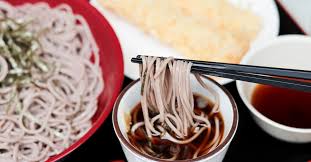
Tokyo Soba is a prominent Japanese restaurant situated in the vibrant Tanjong Pagar district. Known for its authentic soba noodles and traditional Japanese cuisine, it has become a favorite destination for locals and visitors seeking an immersive culinary experience. The restaurant embodies the essence of Japanese dining by focusing on high-quality ingredients, traditional preparation methods, and a serene yet lively dining atmosphere.
History and Origins of Soba
Soba, a traditional Japanese noodle made from buckwheat, has a long history dating back hundreds of years. Originally cultivated in northern Japan, buckwheat became a staple due to its adaptability to harsh climates. Soba noodles evolved into various regional styles, each reflecting the local culture and culinary preferences. In modern times, soba is enjoyed both hot and cold and can be paired with a variety of toppings and dipping sauces.
The Location and Ambiance
Tokyo Soba is strategically located in Tanjong Pagar, an area known for its blend of historical heritage and modern commerce. The restaurant features a minimalist design inspired by traditional Japanese architecture, with wooden interiors, tatami-style seating, and subtle decorative elements. The lighting is soft, creating a relaxing atmosphere suitable for both casual dining and special occasions.
Menu Highlights
Tokyo Soba offers a wide range of dishes, with soba noodles being the centerpiece. Each dish is prepared using authentic recipes and fresh ingredients sourced from trusted suppliers. The menu includes:
- Cold Zaru Soba with dipping sauce
- Tempura Soba featuring lightly battered vegetables and seafood
- Kake Soba served in a savory hot broth
- Specialty seasonal soba dishes using local and imported ingredients
- Side dishes including edamame, pickled vegetables, and Japanese salads
Ingredient Quality and Sourcing
One of Tokyo Soba’s key strengths is its focus on ingredient quality. The buckwheat used for the noodles is carefully selected for flavor and texture. Vegetables are sourced from local farms to ensure freshness, while seafood is procured from trusted suppliers to maintain consistency and taste. This commitment to high-quality ingredients sets Tokyo Soba apart from other Japanese dining options in Singapore.
Soba Preparation Techniques
The preparation of soba at Tokyo Soba follows traditional Japanese methods. The dough is kneaded and rolled to achieve the perfect thickness, then cut into uniform strands. For cold soba dishes, the noodles are quickly boiled and then chilled in ice water to enhance texture. Hot soba dishes are served immediately after boiling to preserve their delicate flavor and chewiness. Each step of the process emphasizes precision and attention to detail.
Dipping Sauces and Broths
Tokyo Soba provides a variety of dipping sauces and broths, each crafted to complement the noodles. The cold dipping sauce is a balanced blend of soy sauce, dashi, and mirin, while hot broths are prepared with a rich, savory stock made from kombu seaweed and bonito flakes. These sauces enhance the natural flavors of the soba and provide a memorable tasting experience.
Signature Dishes
Tempura Soba
Tempura Soba combines freshly fried tempura with delicate soba noodles. The tempura is crispy and light, maintaining the natural flavors of the ingredients. The dish is served with a dipping sauce that adds a subtle sweetness and depth to the overall taste.
Zaru Soba
Zaru Soba is a classic cold soba dish served with a chilled dipping sauce. It is garnished with nori seaweed and scallions, offering a refreshing and healthy option, particularly popular during warmer months.
Kake Soba
Kake Soba is a hot soba soup featuring a savory broth and simple toppings such as green onions and fish cake. The dish is comforting and ideal for colder weather, emphasizing the balance of flavors and textures.
Seasonal Specials
Tokyo Soba introduces seasonal specialties that incorporate fresh ingredients available at different times of the year. These dishes highlight the versatility of soba and allow diners to enjoy unique flavors throughout the seasons.
Dietary Considerations
Tokyo Soba caters to a variety of dietary preferences. The restaurant offers vegetarian options, including vegetable tempura and soba dishes without animal-based broths. Gluten-free options are also available, using alternative flours and careful preparation methods to accommodate dietary restrictions while maintaining the authentic taste.
Pricing and Value
The pricing at Tokyo Soba reflects the quality of ingredients and the authenticity of preparation. Menu items are reasonably priced for the CBD area, providing excellent value considering the craftsmanship and dining experience. Prices range from affordable lunchtime options to premium specialty dishes for those seeking a more indulgent meal.
Customer Experience
The dining experience at Tokyo Soba emphasizes hospitality and attention to detail. Staff members are trained to guide diners through the menu, explain dishes, and provide recommendations based on individual preferences. The service is attentive but unobtrusive, allowing customers to enjoy a relaxed and immersive experience.
Popularity and Reputation
Tokyo Soba has gained a strong following among local food enthusiasts and Japanese cuisine lovers. Positive reviews highlight the quality of the noodles, the freshness of ingredients, and the authentic flavors. The restaurant’s reputation is built on consistent execution, making it a trusted choice for both casual meals and special dining occasions.
Comparison with Other Soba Restaurants in Singapore
When compared to other soba establishments in Singapore, Tokyo Soba stands out for its attention to traditional techniques, high-quality ingredients, and a serene dining environment. While many competitors focus on fusion or fast-service models, Tokyo Soba prioritizes authenticity and culinary craftsmanship. This differentiation appeals to diners seeking a genuine Japanese experience.
Cultural Significance of Soba in Japan
Soba holds cultural importance in Japan, often associated with longevity and good fortune. Eating soba on New Year’s Eve, known as Toshikoshi Soba, symbolizes the wish for a long life and the ability to overcome hardships. Tokyo Soba incorporates these cultural elements into its menu and presentation, providing a deeper connection to Japanese traditions.
Nutritional Benefits of Soba
Soba noodles are not only delicious but also nutritious. Buckwheat is rich in protein, fiber, and essential minerals such as magnesium and manganese. The low glycemic index of soba makes it suitable for maintaining stable blood sugar levels. Tokyo Soba emphasizes these health benefits, offering balanced meals that are both satisfying and nourishing.
Beverage Pairings
Tokyo Soba offers a curated selection of beverages to complement its dishes. Traditional Japanese teas, such as sencha and genmaicha, enhance the flavor of soba and provide a calming experience. The restaurant also offers sake and Japanese-inspired non-alcoholic drinks, allowing diners to customize their pairing preferences.
Event and Group Dining
Tokyo Soba accommodates group dining and special events. The restaurant can host gatherings for corporate lunches, family celebrations, and cultural experiences. Customized set menus and group options provide flexibility while maintaining the quality and authenticity of the dining experience.
Takeaway and Delivery Options
Recognizing modern dining trends, Tokyo Soba offers takeaway and delivery services. The packaging ensures that the noodles and accompaniments maintain their freshness and texture. Customers can enjoy authentic Japanese soba in the comfort of their homes without compromising quality.
Behind-the-Scenes: Kitchen Insights
The kitchen at Tokyo Soba operates with precision and discipline, reflecting Japanese culinary traditions. Chefs undergo rigorous training in noodle preparation, broth creation, and plating techniques. This behind-the-scenes commitment ensures that each dish meets the highest standards of taste, presentation, and authenticity.
Sustainability Practices
Tokyo Soba integrates sustainable practices into its operations. Ingredients are sourced from environmentally responsible suppliers, and waste reduction methods are implemented in the kitchen. The restaurant promotes mindful consumption and educates diners about the importance of sustainable dining practices.
Seasonal Ingredient Focus
The menu at Tokyo Soba adapts to seasonal availability, highlighting the freshest ingredients. Seasonal vegetables, seafood, and specialty toppings are incorporated into dishes, ensuring that customers experience a dynamic and evolving menu throughout the year.
Specialty Workshops and Classes
Tokyo Soba occasionally offers workshops and classes on soba-making and Japanese cooking techniques. These events allow enthusiasts to learn directly from skilled chefs, deepening their appreciation for the craft and culture behind the cuisine.
Tips for First-Time Visitors
- Visit during off-peak hours to enjoy a quieter dining experience.
- Try both cold and hot soba dishes to appreciate different textures and flavors.
- Ask staff for recommendations on seasonal specials.
- Pair dishes with traditional teas or sake for an enhanced experience.
Customer Testimonials
Many patrons praise Tokyo Soba for its authentic flavors, attentive service, and cozy ambiance. Repeat customers highlight the consistency of noodle texture, the freshness of tempura, and the cultural authenticity as key reasons for their loyalty.
Awards and Recognition
While Tokyo Soba focuses on quality over marketing, it has received recognition from food critics and local guides for its dedication to authentic Japanese cuisine. This acknowledgment reinforces its reputation as a premier destination for soba enthusiasts.
Marketing and Community Engagement
Tokyo Soba engages with the local community through social media, food festivals, and collaborations with cultural organizations. These efforts help build a loyal customer base and promote awareness of Japanese culinary traditions.
Future Prospects and Expansion
The restaurant explores opportunities for expansion and menu innovation while maintaining authenticity. Potential plans include introducing seasonal tasting menus, exploring regional Japanese noodle variations, and hosting cultural dining events to attract a broader audience.
 Global Arena
  Khubaib Jamil