

 By Singapore Local News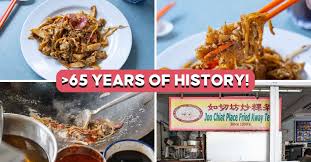
Joo Chiat Place Fried Kway Teow is one of the iconic culinary delights of Singapore, celebrated for its authentic flavors and the mastery of wok cooking. This legendary hawker stall has been serving locals and tourists alike, attracting food enthusiasts who are eager to experience the rich, smoky aroma known as wok hei.
The History of the Stall
The origins of Joo Chiat Place Fried Kway Teow trace back several decades. Established in a small shophouse, it has remained a family-run business, preserving traditional recipes while adapting to modern culinary trends. The stall’s longevity and popularity are a testament to the consistency and quality that patrons have come to expect.
The founder, an experienced hawker chef, focused on sourcing the freshest ingredients and maintaining high cooking standards. Over the years, the stall has gained a loyal following, and it has become a benchmark for fried kway teow in Singapore.
Location and Ambience
Situated in the heart of Joo Chiat, the stall is easily accessible and surrounded by the vibrant culture of the neighborhood. The area is known for its Peranakan architecture and a rich mix of eateries, creating a perfect setting for culinary exploration. The stall itself maintains a casual and welcoming atmosphere, allowing diners to watch the cooking process firsthand.
Seating is limited, as is typical with hawker stalls, but the experience of observing the skilled chef handling the high heat wok adds to the overall charm. Visitors are often captivated by the quick, precise movements and the visual spectacle of sizzling ingredients.
Ingredients and Preparation
The signature dish is prepared with a combination of flat rice noodles, fresh cockles, Chinese sausage, eggs, and bean sprouts. The selection of ingredients is critical to achieving the perfect balance of flavors and textures.
The process begins with heating a large wok over high flames to create the wok hei, which imparts the characteristic smoky aroma. Oil is added, followed by garlic to release its fragrance. Noodles are then stir-fried with the eggs, creating a silky texture. Cockles and Chinese sausage are introduced for bursts of flavor, while bean sprouts add a subtle crunch. The dish is seasoned carefully with soy sauce and other traditional condiments, ensuring a savory, balanced taste.
Cooking Techniques and Wok Hei
The skillful use of high heat is essential in producing wok hei. This term refers to the slightly charred, smoky flavor achieved when ingredients are tossed rapidly over intense flames. Mastery of this technique requires years of practice, precise timing, and an understanding of ingredient behavior under heat.
At Joo Chiat Place, the chef’s experience is evident in every plate. Each component is cooked separately and then combined to maintain integrity, resulting in noodles that are neither mushy nor overly dry. The smoky fragrance permeates the dish, creating a multisensory experience that is a hallmark of authentic fried kway teow.
Taste Profile
The flavor profile of Joo Chiat Place Fried Kway Teow is complex yet harmonious. The wok hei provides a subtle smokiness that complements the savory, slightly sweet notes from the Chinese sausage. Cockles introduce a briny element, while the egg enriches the noodles with creaminess. Bean sprouts and chives provide freshness and texture contrast.
The dish is neither overly oily nor excessively salty, allowing each ingredient to shine. Spices are used sparingly, enhancing the natural flavors without overpowering them. This balance is a key factor that keeps diners returning for more.
Portion Sizes and Pricing
The stall offers a variety of portion sizes to cater to different appetites. A small portion is suitable for light eaters or sampling, while medium and large servings accommodate those with a hearty appetite. Prices are reasonable, reflecting the quality of ingredients and culinary craftsmanship.
The affordability combined with high-quality preparation makes Joo Chiat Place Fried Kway Teow accessible to a wide audience, from casual visitors to dedicated food enthusiasts.
Dining Experience and Service
Service at the stall is efficient, considering the high volume of customers during peak hours. Patrons often wait in line, especially during lunch and dinner rushes, but the experience of seeing the noodles prepared in front of them makes the wait worthwhile.
The chef and staff are friendly and approachable, providing recommendations on portion sizes and ingredient preferences. This personal touch enhances the dining experience, making it more memorable.
Visual Presentation
Plating is simple yet effective, showcasing the dish’s vibrant colors and textures. The golden-brown noodles are interspersed with red Chinese sausage slices, green chives, and the glistening cockles, creating an appetizing visual appeal.
High-quality food photography can further enhance the presentation, highlighting the steam rising from the wok and the glistening sheen of the noodles. Visuals play a significant role in enticing both first-time visitors and returning patrons.
Comparative Analysis
When compared to other renowned fried kway teow stalls in Singapore, Joo Chiat Place stands out for its consistency, flavor depth, and authenticity. While some stalls may offer a spicier or sweeter variation, this stall maintains a balanced profile that appeals to a broader audience.
In addition, the attention to ingredient selection and cooking technique sets it apart. Many competitors may compromise on quality during peak hours, but Joo Chiat Place demonstrates meticulous control and unwavering standards.
Owner and Culinary Legacy
The family behind the stall has cultivated a culinary legacy that emphasizes tradition and innovation. Stories about the founder’s journey, challenges faced, and commitment to excellence provide a deeper connection for diners. Sharing these narratives can transform a simple meal into a culturally enriching experience.
The current chef continues to uphold these traditions while introducing subtle enhancements that reflect evolving tastes. This blend of heritage and contemporary adaptation keeps the stall relevant and appealing across generations.
Cultural Significance
Fried kway teow is more than a dish; it represents a facet of Singapore’s hawker culture. Joo Chiat Place Fried Kway Teow embodies this heritage, preserving traditional cooking methods and serving as a point of culinary education for visitors.
Understanding the cultural context enhances appreciation for the dish, providing insight into local flavors, culinary techniques, and the communal dining ethos of hawker centers.
Health Considerations
While indulgent, the dish incorporates fresh, high-quality ingredients. The use of wok hei and minimal oil helps in maintaining flavor without excessive greasiness. For health-conscious diners, options like adjusting portion sizes or requesting less oil are often accommodated.
Balancing indulgence with awareness ensures that the dining experience remains enjoyable and mindful.
Tips for Visiting
- Best Time to Visit: Early mornings or late afternoons to avoid long queues.
- Portion Selection: Choose medium for first-time visitors to sample a balanced serving.
- Pairing Suggestions: Light beverages or traditional teas complement the smoky flavors.
- Observing Preparation: Watch the chef at work to appreciate technique and skill.
Behind the Scenes: Cooking Process Insights
- Ingredient Preparation: Fresh cockles and bean sprouts are washed and prepped meticulously.
- Wok Heating: High heat is maintained to achieve wok hei.
- Sequential Cooking: Garlic, noodles, eggs, and proteins are cooked in precise order.
- Final Tossing: Ingredients are combined carefully to maintain texture and balance.
- Seasoning Adjustment: Soy sauce and spices are added to perfect the flavor.
These steps illustrate the precision and expertise required to maintain consistent quality.
Customer Reviews and Feedback
Many patrons praise the dish for its authentic flavor and perfect wok hei. Common compliments include:
- “Smoky and flavorful”
- “Perfect balance of textures”
- “Generous portions for the price”
Constructive feedback often highlights aspects like waiting time or seating limitations, which are typical in popular hawker stalls. Addressing these concerns thoughtfully can improve the overall experience.
Photography and Visual Storytelling
Professional food photography enhances engagement, especially for digital audiences. Highlighting key elements such as:
- Steam rising from the wok
- Golden-brown noodles glistening with seasoning
- Colorful ingredients creating contrast
These visual cues not only make the dish appealing but also tell a story about authenticity and craftsmanship.
Sustainability Practices
Some modern hawker stalls are incorporating sustainability by sourcing ingredients responsibly and reducing waste. Joo Chiat Place’s attention to ingredient quality indirectly supports sustainable practices, although opportunities exist to communicate these efforts more explicitly.
Expanding the Experience
Visitors can complement their fried kway teow experience with other local dishes in the area. Exploring nearby Peranakan cuisine or sampling traditional desserts can create a well-rounded culinary tour.
Engaging with the local culture through food provides deeper appreciation and a more memorable visit.
Social Media Presence
Active engagement on platforms like Instagram and Facebook can increase visibility. Sharing behind-the-scenes videos, cooking tips, and customer stories adds value and attracts a wider audience.
Leveraging social media effectively can transform a local favorite into a destination known beyond the immediate neighborhood.
Frequently Asked Questions
Q1: Is the stall open every day?
- Operating hours vary; check local listings for the latest schedule.
Q2: Can I customize my order?
- Mild adjustments, such as less oil or spice, are often accommodated.
Q3: Is it kid-friendly?
- Portions can be adjusted, and flavors are generally appealing to children.
Enhancing the Article Experience
- Include step-by-step cooking photos.
- Add personal anecdotes or interviews with the chef.
- Compare with other popular fried kway teow stalls.
- Provide practical visiting tips.
Final Thoughts
Joo Chiat Place Fried Kway Teow is a culinary gem that embodies Singapore’s hawker heritage. Its co
 Global Arena