

 By Singapore Local News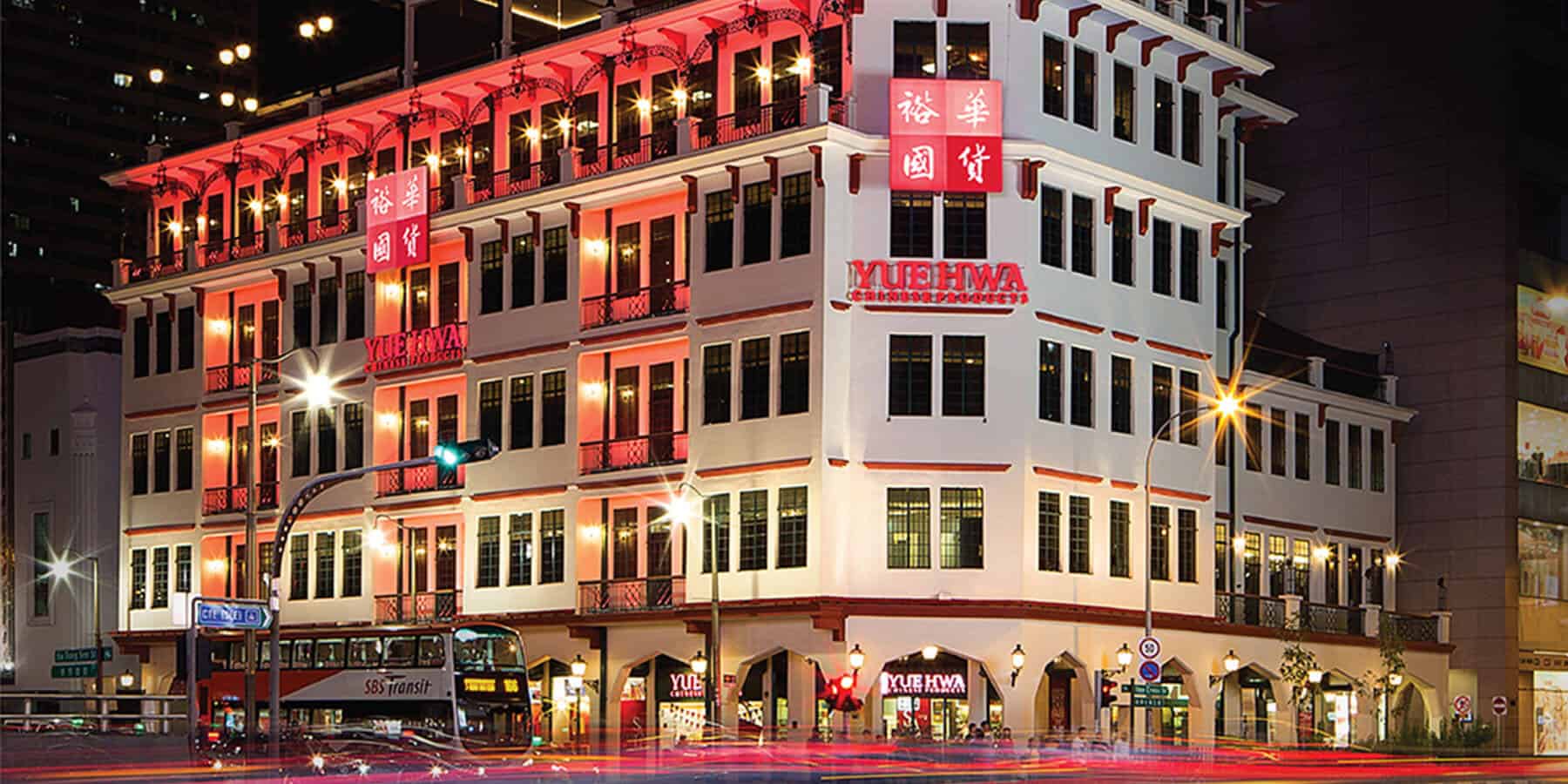
Yue Hwa Building is one of the most recognizable heritage landmarks in Chinatown, Singapore. Located at the busy intersection of Eu Tong Sen Street and Upper Cross Street, the building combines rich history, architectural beauty, and modern retail culture. Today it is widely known as the flagship department store of Yue Hwa Chinese Products, but its story began many decades earlier as a famous hotel that played an important role in the social life of the city. Over the years, the building has transformed from a hospitality hub into a major destination for traditional Chinese goods, cultural items, and specialty products. Because of its history and location, it remains a place where heritage and commerce blend together in a unique way.
Historical Origins of the Building
The structure now known as Yue Hwa Building was originally constructed in 1927 and was first called the Nam Tin Building. During the early twentieth century, Chinatown was rapidly developing as an economic and cultural center for the Chinese community in Singapore. At that time the building served as the home of the famous Great Southern Hotel, which quickly became one of the most luxurious hotels in the area.
The hotel attracted travelers, merchants, and visitors from different parts of Asia. During its peak years it was considered a prestigious place to stay, especially for Chinese businessmen who frequently traveled between Singapore, Hong Kong, and other trading cities. The building stood out because of its height and modern design compared to surrounding structures. In fact, it was once among the tallest buildings in Chinatown, making it a landmark that could easily be recognized by visitors entering the district.
The hotel was also known for its lively entertainment environment. The upper floors hosted social gatherings, cabaret performances, and nightlife activities that made the building an important cultural venue in the early decades of the twentieth century. Many visitors described the hotel as one of the most vibrant social centers in the area.
Architectural Design and Heritage Value
The building is admired for its elegant architecture and strong visual presence in Chinatown. Its design reflects the Art Deco style that was popular in the 1920s and 1930s. This architectural style is known for geometric shapes, decorative patterns, and bold structural lines.
Several design elements make the building architecturally significant. The façade features symmetrical window arrangements that create a balanced appearance. Decorative vertical lines emphasize the building’s height, which was a common characteristic of Art Deco architecture. The curved corner design at the street intersection also gives the structure a distinctive visual identity.
Another interesting architectural detail is the combination of modern and traditional elements. While the structure reflects Western architectural influences from the early twentieth century, its location in Chinatown and later use as a Chinese products store gives it a cultural identity closely connected to Chinese heritage.
Over the years, conservation efforts have helped maintain the building’s historic character. Restoration work preserved many original architectural features while adapting the interior spaces for modern retail use. This careful preservation ensures that visitors today can still appreciate the building’s historical design while enjoying contemporary shopping facilities.
Transformation into a Cultural Retail Destination
By the late twentieth century, the hotel era had ended and the building began a new chapter in its history. In the 1990s, the property was redeveloped and converted into the flagship department store of Yue Hwa Chinese Products. This transformation marked a major shift from hospitality to retail, but it also preserved the building’s connection to Chinese culture.
Today the department store offers a wide range of traditional Chinese products. These include clothing, herbal medicine, silk fabrics, tea sets, jade jewelry, and many other specialty items. The store has become a popular destination for both locals and tourists who want to explore authentic Chinese goods.
One of the reasons the store is unique is its focus on cultural authenticity. Many products sold inside reflect traditional Chinese craftsmanship and heritage practices. This makes the building not only a commercial space but also a place where visitors can experience aspects of Chinese culture and lifestyle.
Floor Guide and Shopping Experience
The Yue Hwa Building is organized across several floors, each dedicated to different categories of products. This structure makes it easy for visitors to explore various cultural goods within one location.
The ground floor typically features fashion and lifestyle items. Visitors can find traditional Chinese clothing such as cheongsam dresses, silk garments, and embroidered accessories. These items are popular with tourists looking for cultural souvenirs as well as with locals who appreciate traditional styles.
Upper floors focus on specialty products and heritage goods. These include Chinese herbal medicine, dried ingredients used in traditional cooking, and high-quality teas sourced from different regions of China. Tea enthusiasts often visit the store to explore premium varieties and traditional tea sets.
Another section is dedicated to home décor and gift items. Jade ornaments, calligraphy tools, decorative ceramics, and handcrafted accessories are available for visitors who want to bring home a piece of Chinese culture. These items often reflect centuries-old artistic traditions.
The shopping experience is enhanced by the building’s spacious interior layout. Wide walkways, clear product sections, and knowledgeable staff help visitors easily explore the store and learn about different cultural products.
Cultural Significance in Chinatown
The building holds an important place within the historic district of Chinatown, Singapore. Chinatown is known for its vibrant markets, temples, and heritage buildings that reflect the history of the Chinese community in the city. Yue Hwa Building contributes to this cultural landscape by combining historical architecture with traditional retail.
Visitors walking through Chinatown often recognize the building as a key landmark due to its prominent corner location. Its distinctive façade and historical background make it one of the most photographed buildings in the district.
Beyond its visual appeal, the building represents the evolution of Chinatown itself. The transformation from hotel to department store reflects broader changes in the neighborhood, where old structures have adapted to new economic and cultural roles while still maintaining their historical identity.
Traditional Chinese Products Available
The department store inside the building specializes in a wide variety of traditional Chinese goods. These products often represent cultural practices and traditions that have been passed down through generations.
Popular categories include traditional clothing such as silk robes and embroidered garments. These items reflect Chinese fashion heritage and are often worn during festivals and cultural celebrations.
Another major category is traditional Chinese medicine. Herbal ingredients, medicinal teas, and health supplements are commonly sold in the store. These products are valued for their connection to ancient wellness practices.
Tea culture is also strongly represented. Visitors can explore various tea types including green tea, oolong tea, and pu-erh tea. Many of these teas come from renowned tea-growing regions in China and are packaged with elegant tea sets that reflect traditional brewing rituals.
The store also features decorative products such as jade jewelry and porcelain art pieces. These items are often chosen as gifts because of their cultural symbolism and craftsmanship.
Visitor Experience and Accessibility
Yue Hwa Building is easy to reach due to its central location in Chinatown. Public transportation options make it convenient for both residents and tourists to visit the store. The area surrounding the building is known for its lively atmosphere, with many food stalls, markets, and cultural attractions nearby.
Visitors often combine a trip to the building with a broader exploration of Chinatown. The neighborhood offers a wide range of experiences including temples, heritage streets, and traditional food markets. Walking through the area allows visitors to discover the cultural diversity that defines this historic district.
Inside the building, the environment is welcoming and organized. Clear signage helps visitors navigate different sections, while friendly staff provide assistance and information about products. Many visitors appreciate the opportunity to learn about Chinese cultural items while shopping.
Interesting Facts About the Building
Several unique facts make Yue Hwa Building particularly interesting from a historical perspective. When it first opened in the 1920s, the building was considered one of the most modern structures in Chinatown. Its height and architectural style made it stand out in an area dominated by smaller shop houses.
Another notable fact is its role in entertainment history. During the hotel era, the building hosted nightlife events that attracted visitors from across the city. Cabaret shows and social gatherings made it a popular evening destination.
The building’s transformation into a department store also reflects the resilience of historic structures. Instead of being demolished or replaced, the property was carefully preserved and adapted for a new purpose. This approach allowed the building to remain relevant while maintaining its historical identity.
Role in Preserving Cultural Heritage
Today Yue Hwa Building plays an important role in preserving cultural traditions within a modern urban environment. By offering traditional Chinese products, the store helps keep heritage practices alive and accessible to new generations.
The building also demonstrates how historical architecture can continue to serve modern needs. Its preservation shows the value of protecting cultural landmarks while adapting them for contemporary use. This balance between heritage and innovation is one reason the building remains an important symbol of Chinatown.
Visitors who explore the building experience more than just shopping. They encounter a place where history, culture, and daily life intersect. The structure stands as a reminder of the city’s past while continuing to contribute to its vibrant present.
Conclusion
Yue Hwa Building represents a fascinating blend of history, architecture, and cultural commerce. From its origins as a luxurious hotel in the early twentieth century to its current role as a major Chinese products department store, the building has continuously evolved while preserving its heritage. Its Art Deco design, historical significance, and vibrant retail environment make it one of the most distinctive landmarks in Chinatown. For visitors interested in culture, shopping, or architectural history, the building offers a unique experience that connects the past with the present in a meaningful way.
 Global Arena