

 By Singapore Local News
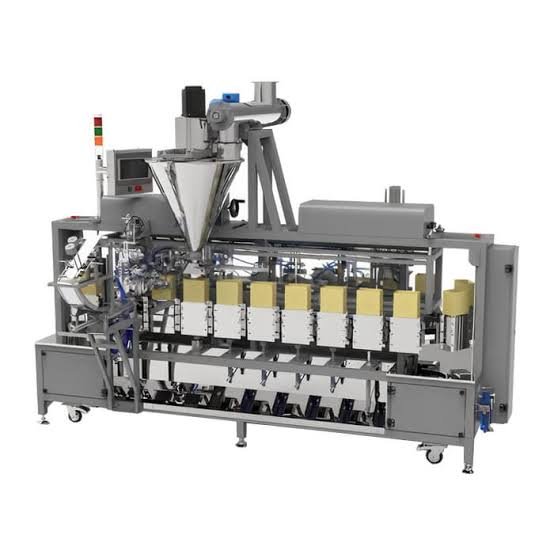
Flour looks simple, but it is one of the more demanding products to pack. It is fine, light and dusty. Its density shifts with moisture and with how much it has settled. It traps air, clings to surfaces and drifts into the room if the line is not properly enclosed. A flour packaging machine is designed to deal with all of this while filling bags quickly and accurately. This article explains how such a machine works, from the moment flour leaves the silo to the moment a sealed bag reaches the conveyor.
Why Flour Needs a Dedicated Solution
Granular products like rice or sugar flow freely and can be weighed in buckets and dropped into a bag. Flour does not behave that way. It bridges in hoppers, compacts under its own weight and forms dust clouds when dropped. That is why a flour packaging machine is built around a powder filling machine principle, usually an auger filler, rather than a free-fall weigher. The auger pushes flour down in a controlled way, so every bag gets a consistent amount with minimal dust.
Main Sections of the Line
A typical flour packaging machine line includes:
- Product feeding: a screw conveyor or vacuum conveyor brings flour from the silo or big bag to the machine hopper.
- Hopper with agitator: keeps flour moving and prevents bridging or rat-holing.
- Auger dosing unit: a servo-driven screw that measures each portion.
- Bag handling system: either forms bags from film or picks, opens and positions paper bags.
- Settling and compaction: vibration or vacuum removes trapped air.
- Closing station: folds and glues paper bags, or heat-seals film bags.
- Coding and outfeed: prints date and batch, then moves bags to checkweighing and case packing.
Step by Step
1. Feeding the Hopper
Flour is transferred into the hopper above the dosing unit. A level sensor starts and stops the feed so the auger always works with the same head of product. A steady level is important, because it keeps flour density at the auger inlet more consistent.
2. Dosing With the Auger
The heart of any powder filling machine is the auger. Each turn of the screw moves a predictable volume of flour. A servo motor turns it a set number of revolutions to reach the target weight. On many lines a load cell under the bag checks the actual weight and fine-tunes the dose. This combination of volumetric dosing and weight feedback is what lets a flour packaging machine stay accurate even as flour conditions change during the day.
3. Preparing the Bag
For paper bags, the flour packaging machine takes a flat bag from a magazine, opens it and places it under the filling spout. Paper is still the preferred format for retail flour in many markets because it is breathable and widely recycled. For film packs, the line forms a bag from roll film around a forming tube.
4. Filling and Removing Air
The spout often lowers into the bag so flour is released close to the bottom, which reduces dust. While filling, vibration or a short vacuum stage removes air. This step matters for appearance: a well-compacted bag is firm, square and stacks neatly in a carton or on a pallet.
5. Closing and Coding
Paper bags are folded and glued at the top, while film bags are heat-sealed. A coder prints the production date and batch number. The finished bag then moves to a checkweigher that rejects any pack outside tolerance.
Dust Control and Hygiene
Dust is both a cleanliness and a safety issue. Flour dust settles on equipment and floors, and in high concentrations it can be a health and explosion risk. A well-designed powder filling machine uses an enclosed dosing head, a filling spout that seals against the bag, and dust extraction points at the filling and closing stations to keep flour where it belongs. Stainless steel contact parts and tool-free auger removal make daily cleaning faster.
Bag Sizes and Formats
Most mills pack several sizes: 1 kg, 2 kg and 5 kg for retail, and 10 kg or more for bakeries. A flexible line handles these through recipe changes and, where needed, a different auger and spout. The same equipment is often used for related products such as semolina, starch or cornmeal, since each is handled by the same powder filling machine principle.
Choosing the Right Machine
When choosing equipment, consider your daily output, the type of powder filling machine your flour needs, bag formats, available floor space, dust control needs and after-sales support. Ask suppliers for a trial with your own flour and bags. A test run shows real speed, weight accuracy and how clean the process is. Also ask whether the same powder filling machine can be adapted later for other products, which can protect your investment if your product range grows.
Conclusion
A flour packaging machine feeds flour into a hopper, doses it with a servo-driven auger, fills a paper or film bag while removing air, then closes and codes the bag. Because it is built on the powder filling machine principle, it handles flour’s tendency to compact and create dust far better than equipment designed for free-flowing granules. Choosing the right flour packaging machine helps mills deliver accurate, clean and well-shaped bags every shift. For mills planning to add new products, choosing a line whose powder filling machine section can handle several powders is a sensible way to stay flexible, and a reliable flour packaging machine will remain the backbone of the packing hall for many years.
 Global Arena