

 By Singapore Local News
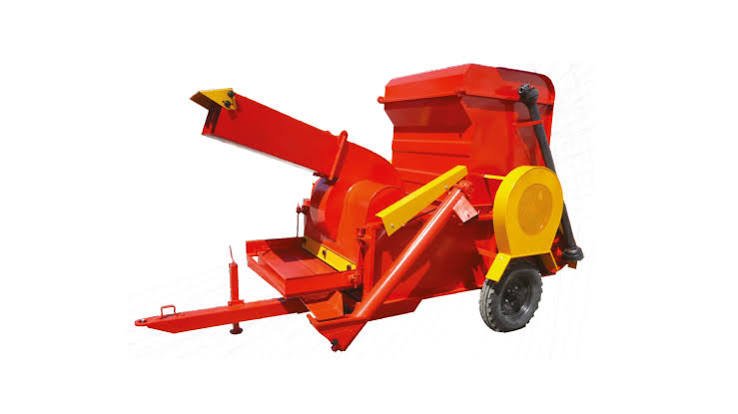
Türkiye has a long tradition of building farm machinery for small and mid-sized farms, and its threshers and straw choppers are shipped to markets across the Middle East, Africa, the Balkans and Central Asia. For importers and dealers, the country offers a wide choice of thresher manufacturers. That choice also makes it harder to separate a reliable supplier from a risky one. This checklist covers what to verify before you place an order.
1. Production capability
Ask whether the company builds its machines in its own plant or assembles parts bought from others. Thresher manufacturers that run their own cutting, welding and painting lines control quality more closely and can adapt models to local crops. A visit to the factory, or a live video tour, tells you more than a catalogue.
2. Product range
A supplier that builds both threshers and a straw chopper can cover a dealer’s full post-harvest line. Farmers who buy a thresher usually need a straw chopper as well, especially in regions where straw is sold as feed. Buying both from the same source simplifies spare parts and service.
3. Crop and tractor fit
Check that the machines suit the crops and tractors common in your market. Good thresher manufacturers can supply sieve sets for wheat, barley, chickpeas, lentils, beans and sunflower, and will state the tractor horsepower each model needs. A straw chopper should also list its recommended horsepower and the straw types it handles.
4. Materials and components
Ask for the sheet thickness, bearing brands, belt specifications and blade steel used. Blades are the wear part on any straw chopper; hardened steel blades stay sharp longer and are cheaper to run over a season. Reputable thresher manufacturers share these details without hesitation.
5. Certificates and documents
For most export markets you will need CE conformity, a certificate of origin and complete user manuals. Confirm that manuals and spare parts lists are available in English or in the language of your market. Experienced thresher manufacturers prepare these documents as standard.
6. Spare parts and after-sales support
Harvest time leaves no room for long waits. Ask how quickly the supplier can ship spare parts, whether it keeps a parts stock and whether it offers remote technical support. Thresher manufacturers that send a starter parts kit with the first shipment help dealers avoid downtime in the first season.
7. Export experience
Thresher manufacturers that already ship to your region understand packing, container loading and customs paperwork. Ask for a list of countries they export to and, if possible, a reference dealer you can contact.
Quick checklist for importers
| Check | What to ask |
| Production | Own factory or assembly only? |
| Range | Threshers and straw chopper models in one line? |
| Fit | Sieve sets and horsepower ratings for local crops and tractors? |
| Materials | Sheet thickness, bearing brands, blade steel? |
| Documents | CE, origin certificate, manuals in your language? |
| Support | Parts stock, shipping time, remote service? |
Working through this list narrows a long supplier list down to a few serious thresher manufacturers. The best partner is the one that can deliver a dependable thresher and straw chopper line, back it with parts and stay with you season after season. Choosing carefully among thresher manufacturers today protects your dealership’s reputation for years, and a well-built straw chopper in the same order gives your customers a complete solution from grain to feed.
 Global Arena