

 By Singapore Local News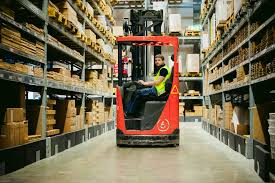
A Very Narrow Aisle forklift is a specialized material handling machine designed to operate in warehouse aisles that are significantly narrower than traditional layouts. Unlike standard forklifts, VNA forklifts allow warehouses to maximize storage density by reducing aisle width without sacrificing maneuverability or safety. These machines are often equipped with advanced guidance systems, allowing operators to navigate tight spaces efficiently while maintaining precise control over lifting and placing pallets.
Key Features of VNA Forklifts
VNA forklifts are equipped with advanced features to handle high-density warehouse environments:
- Articulated or Turret Design: Enables the forklift to pivot and reach pallets without turning the entire vehicle.
- Height Capability: Can lift loads to heights exceeding 10 meters, making them ideal for multi-tier storage systems.
- Precision Guidance Systems: Includes wire guidance, laser navigation, and rail systems for exact aisle tracking.
- Ergonomic Operator Cabins: Designed to reduce operator fatigue during extended shifts.
- Energy Efficiency: Many models use electric power with lithium-ion batteries for extended run times and reduced environmental impact.
- Load Stability Controls: Advanced sensors ensure safe handling of heavy loads, minimizing tip-over risks.
How VNA Forklifts Optimize Warehouse Space
Efficient warehouse design relies on minimizing aisle width while maintaining operational efficiency. VNA forklifts contribute to space optimization in several ways:
- Narrower Aisle Widths: Traditional forklifts require aisles of 12–14 feet. VNA forklifts can operate in aisles as narrow as 6–8 feet.
- Increased Storage Density: Reduced aisle space allows additional racking rows, increasing pallet storage by up to 30–50%.
- Multi-Tier Storage Access: High-lift capabilities allow storage up to the maximum warehouse height, fully utilizing vertical space.
- Minimized Travel Distance: Advanced navigation systems reduce unnecessary movement, cutting down cycle times.
Types of VNA Forklifts
There are several categories of VNA forklifts, each designed for specific operational needs:
Articulated VNA Forklifts
These forklifts have a pivoting joint allowing the vehicle to “bend” and maneuver through narrow aisles. They are ideal for warehouses where aisle widths vary or space is extremely tight.
Turret Trucks
Turret trucks rotate the forks independently of the vehicle’s chassis, allowing side loading without turning the entire machine. They excel in high-rise racking systems where precision placement is critical.
Rail-Guided VNA Forklifts
These forklifts follow rails embedded in the warehouse floor, ensuring maximum precision and safety in extremely narrow aisles. They are often used in automated storage and retrieval systems.
Choosing the Right VNA Forklift
Selecting the appropriate VNA forklift involves considering multiple factors related to warehouse layout, load requirements, and operational efficiency:
- Aisle Width: Measure aisle width accurately to determine if an articulated or turret model is necessary.
- Lift Height Requirements: Ensure the forklift can reach the maximum rack height in your facility.
- Load Weight and Type: Consider maximum pallet weight and stability requirements.
- Guidance System Compatibility: Decide whether rail, wire, or laser guidance is best for your warehouse environment.
- Battery Type and Runtime: Choose between lead-acid or lithium-ion batteries based on operational demands.
- Operator Ergonomics and Safety Features: Ensure the forklift design minimizes strain and enhances visibility.
Safety Considerations in VNA Operations
Operating VNA forklifts safely is critical due to narrow aisles and high racks:
- Operator Training: All operators must receive specialized training for navigating tight spaces.
- Regular Maintenance: Frequent inspection of brakes, sensors, and guidance systems is essential.
- Speed Controls: Limit speed in narrow aisles to prevent collisions.
- Load Securing: Ensure pallets are properly secured before lifting or placing.
- Clear Signage and Markings: Mark all aisles, load zones, and emergency exits for guidance.
Integrating VNA Forklifts into Warehouse Design
For maximum efficiency, VNA forklifts should be integrated into warehouse planning from the start:
- Racking Layout: Design racking to complement aisle widths and forklift type.
- Traffic Flow Planning: Optimize routes for entry, exit, and material movement.
- Vertical Storage Utilization: Plan for maximum vertical use without compromising accessibility.
- Safety Barriers and Sensors: Incorporate collision prevention systems and protective barriers.
Advantages of VNA Forklifts
VNA forklifts offer numerous benefits that improve overall warehouse productivity:
- Higher Storage Capacity: Reduced aisle widths allow more racks and pallets per square foot.
- Improved Picking Efficiency: Shorter travel distances and precise guidance reduce time per pick.
- Reduced Labor Costs: Efficient operation decreases the number of moves required.
- Lower Operational Costs: Electric models reduce fuel and maintenance expenses.
- Enhanced Warehouse Safety: Advanced sensors and guidance systems minimize accident risks.
Challenges and Considerations
While VNA forklifts are highly efficient, certain challenges must be addressed:
- High Initial Investment: VNA forklifts and guidance systems have a higher upfront cost than standard forklifts.
- Specialized Training Needs: Operators must be trained specifically for narrow-aisle navigation.
- Maintenance Requirements: Advanced systems require regular technical support and calibration.
- Space Restrictions: Extremely narrow aisles limit flexibility for other equipment or emergency access.
Advanced Guidance Systems
VNA forklifts use a variety of guidance systems to improve precision and efficiency:
- Wire Guidance: Embedded wires in the floor guide forklifts along exact paths.
- Laser Navigation: Lasers scan reflectors mounted on racking to maintain correct positioning.
- Rail Guidance: Vehicles travel on embedded rails for maximum accuracy in tight spaces.
- Automated Control: Some systems integrate warehouse management software for semi- or fully automated operation.
Case Studies: Maximizing ROI with VNA Forklifts
While specific companies may vary, general operational outcomes demonstrate clear ROI benefits:
- Space Savings: Warehouses report up to 50% more pallet storage per square meter.
- Cycle Time Reduction: Automated guidance systems reduce pick-and-place times by 20–40%.
- Labor Efficiency: One VNA forklift operator can handle the work of two traditional forklift operators in comparable storage setups.
- Energy Efficiency: Lithium-ion VNA forklifts reduce electricity costs by up to 30% compared to lead-acid alternatives.
Maintenance Best Practices
Regular maintenance ensures safe and efficient VNA operations:
- Daily Checks: Inspect brakes, forks, tires, and sensors.
- Battery Management: Charge according to manufacturer guidelines and avoid deep discharges.
- Software Updates: For automated systems, keep guidance and safety software current.
- Calibration: Periodic alignment of guidance systems ensures precision in narrow aisles.
- Operator Feedback: Encourage operators to report unusual behavior or noises immediately.
Future Trends in VNA Forklifts
VNA forklifts continue to evolve with warehouse technology:
- Increased Automation: Semi-automated and fully automated VNA forklifts are becoming standard in large distribution centers.
- Energy Optimization: Improved battery technologies and regenerative braking reduce environmental impact.
- Data Integration: Real-time tracking of movements and inventory using VNA telemetry systems.
- Safety Enhancements: Advanced sensors and AI algorithms for collision avoidance and load monitoring.
Conclusion
VNA forklifts are essential for modern warehouses aiming to maximize space efficiency and operational productivity. By understanding the types, features, and applications of VNA forklifts, businesses can make informed decisions that improve storage density, reduce labor costs, and maintain high safety standards. Incorporating advanced guidance systems, proper training, and thoughtful warehouse design ensures the long-term success of VNA forklift operations.
 Global Arena