

 By Global Arena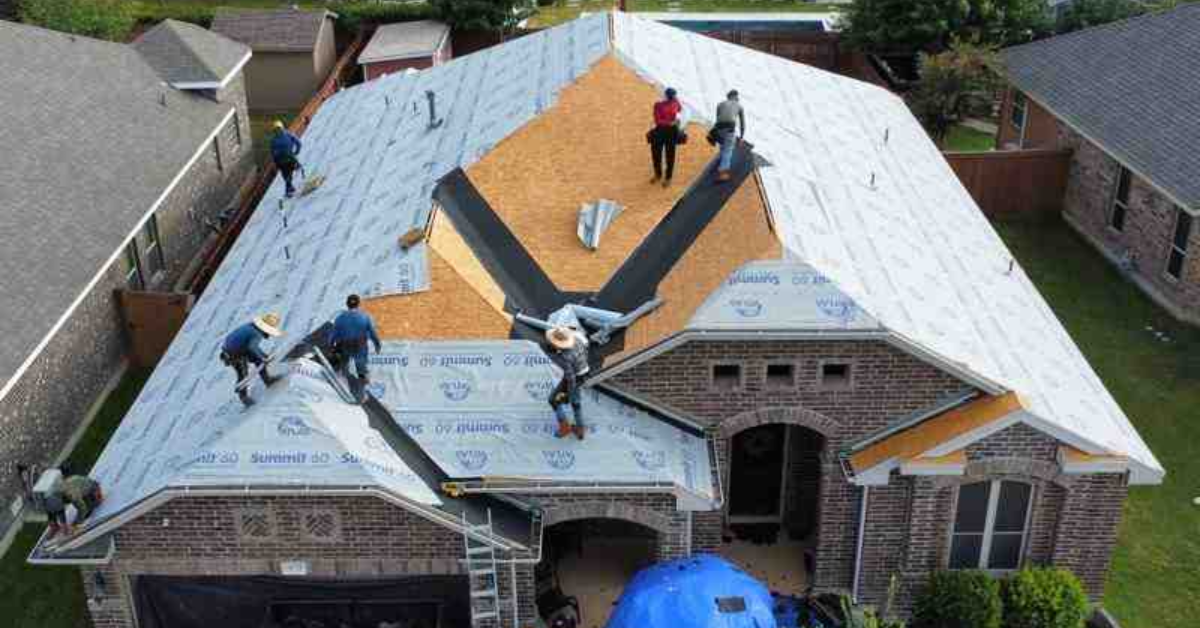
A roof is not just a finishing touch on a home or commercial building. It is a working system that protects the structure from heat, rain, wind, hail, moisture, and everyday wear. In San Antonio, where weather can shift from dry heat to sudden storms, roof planning is especially important.
Start With the Roof as a System
Many property owners think of roofing only in terms of shingles or visible exterior materials. In reality, a dependable roof includes several connected parts:
- Decking beneath the roof covering
- Underlayment for added moisture protection
- Flashing around walls, chimneys, and vents
- Ventilation that helps regulate attic temperature
- Gutters and drainage paths
- Proper installation details at every edge and opening
When one part fails, the rest of the system can be affected. For example, poor ventilation can trap heat and moisture in the attic, shortening material life. Damaged flashing can allow water into areas that look fine from the outside.
Why San Antonio Roofs Need Regular Attention
San Antonio property owners deal with a mix of roof stressors. High temperatures can accelerate aging. UV exposure can dry out materials. Heavy rain can reveal drainage problems. Hail and strong winds can damage shingles, vents, and other roof components.
Because not all damage is obvious, inspections matter. A roof may look acceptable from the driveway while still having lifted shingles, cracked sealant, or small punctures that can lead to leaks later.
When to Schedule a Roof Inspection
A roof inspection is useful before problems become urgent. Good times to schedule one include:
After Severe Weather
Storms can create damage that is not immediately visible indoors. Even if there is no active leak, hail impact or wind lifting can weaken the roof.
Before Buying or Selling Property
A roof issue can affect negotiations, insurance questions, and future repair costs. Knowing the roof condition early helps everyone make clearer decisions.
When the Roof Is Aging
Older roofs should be checked more often, especially if repairs have become frequent or energy bills have changed.
After Noticing Interior Warning Signs
Water stains, musty odors, peeling paint, or unexplained ceiling marks may point to roof or ventilation issues.
Repair, Restore, or Replace?
Not every roof problem requires replacement. A targeted repair may be enough when damage is limited to a small area. This could include replacing missing shingles, sealing flashing, or repairing a minor leak.
However, replacement may be more practical when the roof has widespread damage, repeated leaks, aging materials, or poor installation. Restoration may also be considered in some cases, depending on the roof type and condition.
The key is to avoid guessing. A professional evaluation can help determine whether a repair will solve the issue or simply delay a larger project.
Choosing Materials With Local Conditions in Mind
Roofing materials should be selected for more than appearance. In a warm climate, durability, ventilation, energy performance, and storm resistance all matter.
Common considerations include:
- How the material performs in high heat
- Expected lifespan
- Maintenance requirements
- Resistance to wind and impact
- Compatibility with the building style
- Warranty coverage and installation requirements
Asphalt shingles remain common for many homes, while metal roofing and other systems may suit certain properties. The best choice depends on budget, structure, neighborhood style, and long-term goals.
Working With a Local Roofing Professional
Local experience matters because roofing challenges vary by region. A contractor familiar with San Antonio homes and buildings is more likely to understand common storm patterns, ventilation concerns, material performance, and neighborhood construction styles.
For readers comparing service options and learning what local roof projects may involve, roofing San Antonio offers a relevant starting point for understanding inspections, repairs, replacements, and storm-related roofing needs.
A good roofing professional should provide clear explanations, written project details, and realistic recommendations. Property owners should feel informed, not rushed.
Maintenance Habits That Can Prevent Bigger Problems
Simple maintenance can extend roof performance and reduce surprise costs. Property owners should keep gutters clear, trim branches away from roof surfaces, watch for debris buildup, and check the attic for signs of moisture.
It is also wise to keep records. Photos, inspection notes, repair invoices, and storm dates can be useful when tracking roof condition over time.
Conclusion
Roofing decisions are easier when property owners think ahead. By understanding how the roof works as a system, scheduling inspections at the right times, choosing materials carefully, and addressing small problems early, San Antonio homeowners and business owners can protect their properties with greater confidence.