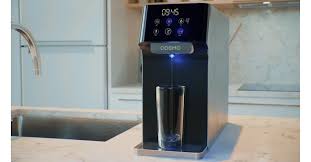
best Water filter singapore is essential for health, cooking and everyday life. Singapore’s tap water is treated to rigorous standards, but many households still choose to use water filters to improve taste, remove specific contaminants, or add convenience. This guide covers the best types of water filters available in Singapore, how they work, key features to look for, and top options for different needs.
Why Consider a Water Filter in Singapore
Singapore’s tap water is potable straight from the tap because it meets international safety benchmarks. Even so, many residents choose to filter water for reasons including taste, minerals, and extra peace of mind. Another common reason is the quality of internal piping in older buildings, where contaminants like sediment or rust can enter the water after treatment. Household water filters can address these concerns by removing sediments, chlorine taste and odor, and, in advanced systems, more complex impurities.
Common Water Filtration Technologies
Activated Carbon Filtration
Activated carbon filters use a high‑surface‑area carbon material to adsorb organic contaminants and chlorine, improving taste and smell. Some carbon filters are basic and only remove chlorine and odors, while others are more advanced and can reduce lead and volatile organic compounds.
Reverse Osmosis (RO) Systems
Reverse osmosis systems push water through a fine membrane that blocks particles down to very small sizes — often far smaller than what carbon alone can catch. RO systems are effective against heavy metals, fluoride, arsenic and many dissolved solids making them ideal for households looking for deep purification.
Ultrafiltration
Ultrafiltration uses a membrane that can remove bacteria, cysts and some larger contaminants without electricity. This technology leaves beneficial minerals in the water while effectively improving water clarity and quality. Systems like the UltraPure countertop/under‑sink filters use ultrafiltration to reduce sediment and bacteria at micron levels.
Alkaline and Mineral Filters
Some filters go beyond purification to adjust pH or add beneficial minerals back into purified water. These may involve post‑filtration mineral cartridges that help make water more palatable or potentially more hydrating, depending on personal preferences.
How to Choose the Right Water Filter
Selecting a water filter isn’t just about picking a brand or a price. Consider the following factors before choosing:
Identify Your Needs
Think about what you want to achieve:
- Better taste and odor removal?
- Elimination of sediments or rust?
- Reduction of heavy metals?
- Softened or mineral‑rich water?
Knowing your priorities helps narrow down the right filter type.
Space and Installation
Water filters vary in size. Some are designed to sit on your countertop and plug in, others go under the sink connected directly to your water line. Choose a system that fits your kitchen layout and installation comfort level.
Filter Life and Replacement Costs
Consider how often you’ll need to change cartridges and how much replacement filters cost. Long‑lasting cartridges may save money in the long run, but upfront costs are higher.
Certification and Filtration Ratings
Look for systems with measurable filtration ratings or certifications. Terms like micron rating (the size of particles the filter can remove) and references to recognized standards help you assess the effectiveness of the system before purchase.
Top Water Filter Options for Singapore Households
Here’s an overview of some of the most popular water filter systems available for residents in Singapore.
Tap‑Mounted and Pitcher Filters
Best for simplicity: Pitcher filters and tap‑mounted models are affordable, easy to install, and ideal for those who only need basic filtration of chlorine and tastes. Products like Brita water pitchers or simple on‑tap filters can reduce chlorine odor and improve water flavor without requiring any plumbing.
Countertop Ultrafiltration Filters
Countertop options like the UltraPure UP‑DUC410 series offer ultrafiltration with hollow fibre membranes that can reduce sediment, dirt, rust, cysts and bacteria. They operate without electricity, making them efficient and cost‑effective for daily use. These systems leave beneficial minerals intact and provide healthy water right from your kitchen tap.
Reverse Osmosis Under‑Sink Systems
For deeper purification and the ability to remove heavy metals and dissolved solids, under‑sink RO systems are an excellent choice. Brands like Waterdrop offer RO systems that are compact, ideal for apartment kitchens, and can even provide hot and cold water options. These systems are ideal if you want comprehensive purification and fast access to drinking water.
All‑in‑One Homes and Multi‑Stage Systems
Advanced units from local suppliers often include multi‑stage filtration combining sediment screening, carbon filtration, alkaline infusion, and RO membranes in one system. These are larger and more comprehensive, perfect for families who want maximum purification with minimal maintenance.
Specialty and Whole‑House Filters
For larger homes or special requirements, whole‑house filter systems can treat all water entering the building. Systems like Tomal Global’s whole house filters work to improve water quality not only for drinking but also for bathing and laundry.
Key Features to Look For
Micron Rating
A filter’s micron rating indicates the smallest size of particles it can remove. Look for filters with lower micron ratings if you need fine filtration (e.g., removing bacteria or microplastics).
Filter Stage Count
Multi‑stage filters offer layered purification. A typical sequence might start with a sediment filter, followed by carbon blocks, RO membranes, and optionally post‑filters for taste and minerals.
Flow Rate
Consider how quickly a system can deliver water. For large families, choose systems with higher flow rates to avoid long waits for filtered water.
Maintenance Alerts
Modern filters may include digital indicators or reminders for filter changes, helping maintain performance without guesswork.
Practical Tips for Using Water Filters
Regular Maintenance
Regularly replacing cartridges is essential to ensure your filter continues performing well. Old cartridges can accumulate bacteria or reduce flow rates over time.
Pre‑Filter if Needed
If your household water supply has high sediment levels, consider pre‑filters before your main system. This protects the main filter and extends its lifespan.
Check for Certification
Where possible, choose systems that adhere to recognized standards like NSF certifications or documented performance reports to validate claims about contaminant reduction.
Final Thoughts
Choosing the best water filter in Singapore depends on your household’s needs, budget and space. Whether you’re looking for affordable pitcher filters to improve taste or advanced under‑sink RO systems for deep purification, the key is understanding what contaminants matter to you and choosing a system that addresses those concerns effectively.
A well‑chosen water filter should deliver cleaner, better‑tasting water with minimal hassle — improving health, convenience, and your everyday drinking experience.