

 By Global Arena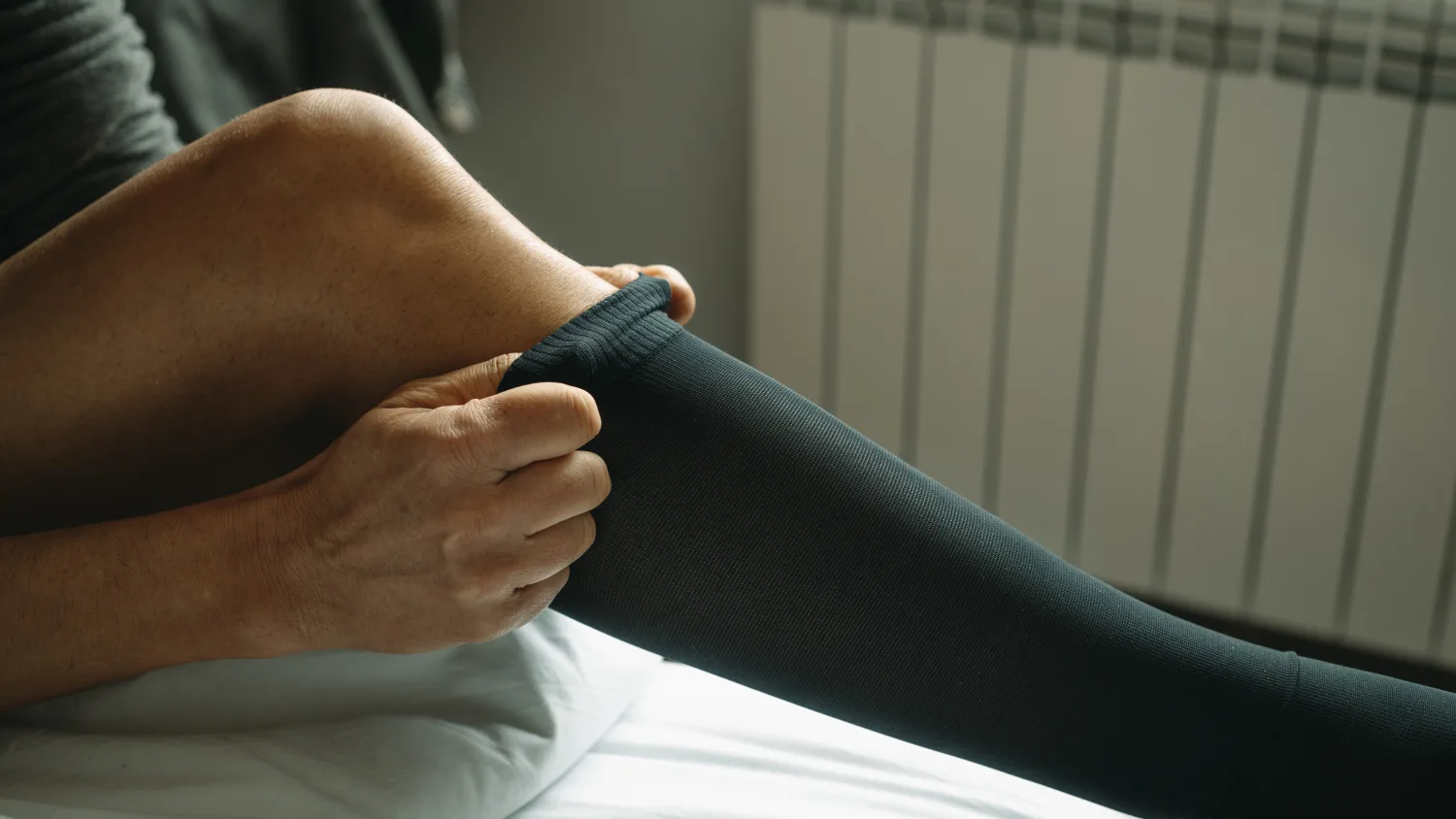
Leg fatigue is a common problem that affects millions of women every day. Whether you spend long hours standing at work, sit for extended periods while traveling, or simply deal with the physical demands of a busy lifestyle, tired and heavy legs can make even simple activities feel challenging. Many women experience aching calves, swollen ankles, and a feeling of exhaustion in their lower limbs by the end of the day.
Fortunately, compression therapy has become a widely recognized solution for improving comfort and supporting healthy circulation. One of the most effective options available today is wearing the best medical grade compression socks for women. These specially designed garments provide graduated pressure to the legs, helping improve blood flow and reduce many of the factors that contribute to leg fatigue.
But do they really work? Understanding how compression socks function and why they are often recommended by healthcare professionals can help answer that question.
What Causes Leg Fatigue?
Leg fatigue develops when the muscles, veins, and circulatory system in the lower body become stressed or overworked. Several factors can contribute to this condition.
Standing for long periods is one of the most common causes. Teachers, nurses, retail workers, and hospitality employees often spend entire shifts on their feet. Gravity naturally pulls blood downward, making it more difficult for veins to return blood back to the heart. Over time, this can create feelings of heaviness and discomfort.
Sitting for extended periods can also lead to tired legs. Office workers, drivers, and frequent travelers may experience reduced circulation because their leg muscles remain inactive for long stretches. Without regular movement, blood can pool in the lower extremities.
Physical activity may also contribute to muscle fatigue. Exercise places demands on the muscles, leading to temporary soreness and tiredness. While this is a normal part of recovery, proper circulation plays a crucial role in helping the body remove metabolic waste products and deliver fresh oxygen to working muscles.
Other factors such as aging, pregnancy, weight gain, and certain medical conditions can increase the likelihood of experiencing leg fatigue.
How Compression Socks Work
Compression socks are designed to apply graduated pressure to the legs. The compression is strongest around the ankle and gradually decreases toward the calf and knee. This pressure pattern helps support the natural movement of blood through the veins.
When veins receive gentle external support, they can function more efficiently. Blood is encouraged to flow upward toward the heart rather than pooling in the lower legs. Improved circulation helps reduce swelling and may decrease feelings of heaviness and fatigue.
Medical-grade compression socks are different from standard support socks because they are manufactured to deliver specific levels of therapeutic compression. These compression levels are carefully measured and often recommended based on individual needs.
Many women find that wearing the best medical grade compression socks for women provides noticeable comfort throughout the day, especially when standing or sitting for extended periods.
The Connection Between Circulation and Leg Fatigue
Healthy circulation is essential for maintaining energy in the muscles and tissues of the legs. Blood carries oxygen and nutrients that muscles need to function properly. It also helps remove waste products produced during normal activity.
When circulation becomes sluggish, muscles may not receive adequate oxygen delivery. At the same time, fluid can accumulate in surrounding tissues, creating feelings of heaviness and discomfort.
Compression socks help support blood flow, allowing oxygen-rich blood to reach muscles more effectively. This improved circulation can contribute to reduced fatigue and greater comfort during daily activities.
Women who frequently experience tired, achy legs often notice that compression therapy helps them remain active for longer periods without the same level of discomfort.
Benefits for Women Who Stand All Day
Many occupations require prolonged standing. Nurses, healthcare workers, teachers, cashiers, hairstylists, and factory employees often spend hours on their feet with limited opportunities to rest.
Standing places continuous pressure on the veins in the legs. Over time, this can lead to swelling, discomfort, and fatigue. Compression socks provide gentle support that helps maintain healthy circulation throughout the workday.
By reducing fluid buildup and supporting blood flow, compression socks may help minimize the heavy, tired sensation that often develops after several hours of standing.
Women who wear compression socks regularly during work shifts frequently report improved comfort and less end-of-day leg exhaustion.
Support During Travel
Long-distance travel can create ideal conditions for circulation problems. Sitting in a cramped airplane seat or spending hours in a car limits movement and reduces muscle activity.
Because the calf muscles act as a natural pump that helps move blood through the veins, inactivity can contribute to blood pooling in the lower legs. This may lead to swelling, stiffness, and fatigue.
Compression socks are commonly recommended for travelers because they help support circulation during periods of prolonged sitting. Many women find that they arrive at their destination with less swelling and greater comfort when wearing compression garments during travel.
The best medical grade compression socks for women are particularly popular among frequent flyers and business travelers who spend many hours seated.
Can Compression Socks Help Active Women?
Athletes and fitness enthusiasts often use compression garments as part of their training and recovery routines. During physical activity, muscles work hard and generate metabolic waste products that contribute to fatigue.
While compression socks are not a replacement for proper recovery practices, they may help support circulation and reduce post-exercise discomfort. Some women find that wearing compression socks after workouts helps their legs feel refreshed and less fatigued.
Activities such as running, walking, hiking, cycling, and strength training place varying levels of stress on the lower body. Compression therapy may offer additional support for women who regularly engage in these activities.
Pregnancy and Leg Fatigue
Pregnancy often brings significant changes to circulation and fluid balance. As the body adapts to support a growing baby, many women experience swollen ankles, tired legs, and increased pressure on the veins.
Hormonal changes and increased blood volume can contribute to these symptoms. The growing uterus may also place pressure on veins in the pelvic region, making it more difficult for blood to return from the legs.
Compression socks are frequently recommended during pregnancy to help support circulation and improve comfort. Many expectant mothers find that wearing the best medical grade compression socks for women helps reduce feelings of heaviness and fatigue, especially during the later stages of pregnancy.
Choosing the Right Compression Level
Not all compression socks provide the same amount of pressure. Different compression levels are available to meet different needs.
Mild compression is often suitable for everyday comfort and minor swelling. Moderate compression may be recommended for women who spend long hours standing or sitting. Higher levels of compression are sometimes prescribed for specific medical conditions and should be used under professional guidance.
Proper fit is equally important. Socks that are too loose may not provide adequate support, while socks that are too tight can cause discomfort. Measuring the ankle, calf, and sometimes leg length helps ensure the best fit.
Selecting high-quality materials that offer breathability and moisture control can also improve comfort during daily wear.
Are Compression Socks Worth Trying?
For many women, the answer is yes. Compression socks provide a non-invasive and convenient way to support healthy circulation and improve lower-leg comfort.
While individual experiences may vary, numerous women report reduced swelling, less discomfort, and improved energy in their legs after incorporating compression socks into their daily routine.
Whether you are a healthcare worker, traveler, athlete, pregnant woman, or someone who simply experiences tired legs after a long day, compression therapy may offer meaningful relief.
Conclusion
Leg fatigue can significantly affect comfort, productivity, and overall quality of life. Poor circulation, prolonged standing, extended sitting, and increased physical demands all contribute to feelings of heaviness and exhaustion in the legs.
Compression socks work by applying graduated pressure that supports healthy blood flow and helps reduce fluid accumulation. This improved circulation can play an important role in minimizing fatigue and promoting daily comfort.
For women seeking a practical solution to tired, achy legs, the best medical grade compression socks for women may provide the support needed to stay active, comfortable, and confident throughout the day. By helping circulation function more efficiently, these specialized garments can be a valuable tool in the ongoing effort to reduce leg fatigue and maintain healthier legs.