

 By Global Arena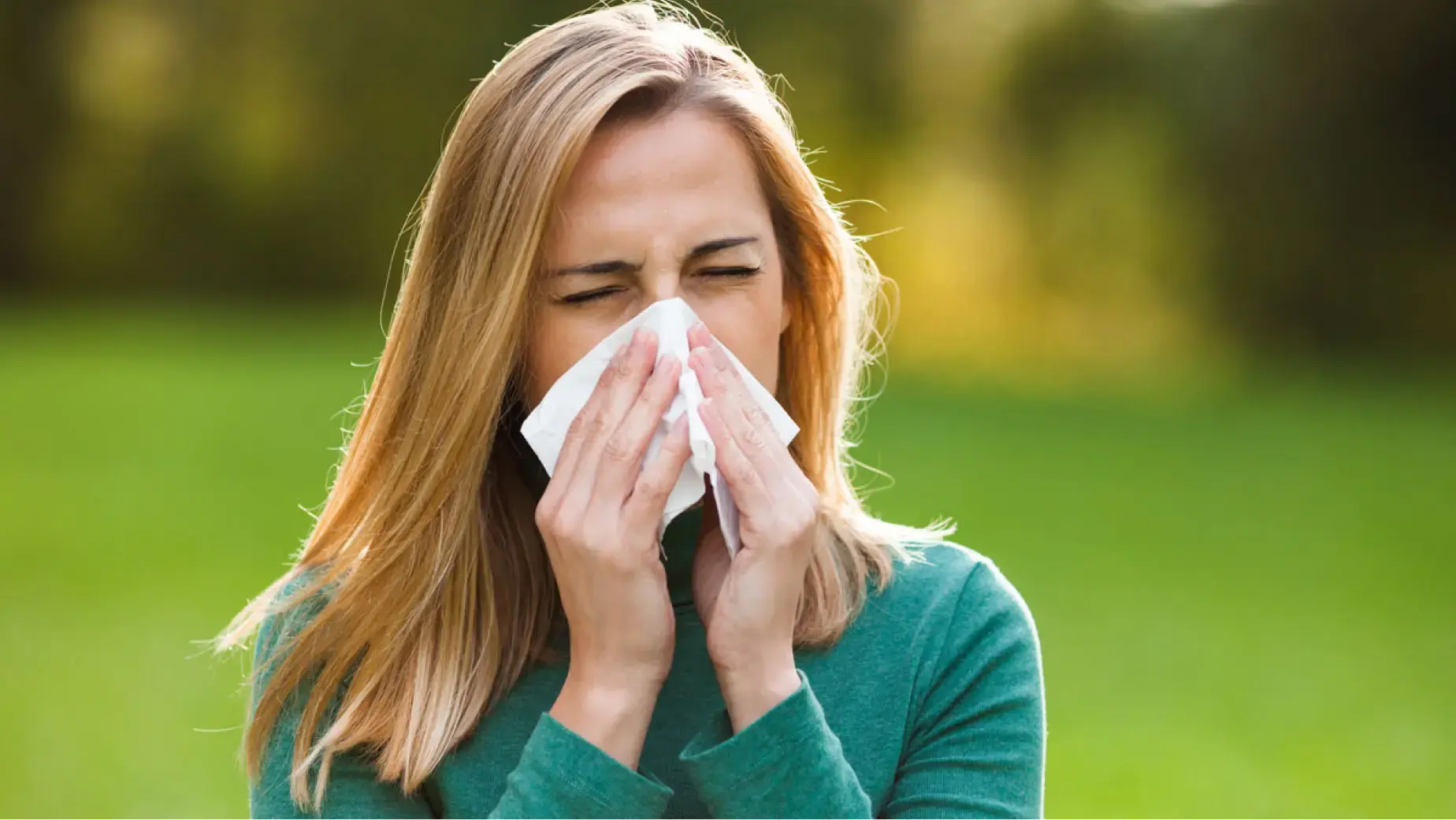
Persistent sneezing, a blocked nose, and watery eyes can easily be dismissed as minor inconveniences if they only happen a couple of times a year. However, these are near-daily occurrences for many people with a chronic condition known as allergic rhinitis. This condition manifests when a person’s immune system overreacts to specific airborne substances (such as pollen, dust mites, or pet dander), triggering inflammation in the nasal passages and potentially other parts of the body.
It’s important to distinguish allergic rhinitis and other allergic reactions from simple irritation. Allergies are overreactions of the immune system (usually to specific types of proteins) while irritation does not necessarily involve an outsized immune response. Most people may find things like smoke or toxic fumes irritating, even if they are not allergic to them. Thus, all allergens can be considered irritants, but not all irritants are necessarily allergens.
Fortunately, most cases of allergic rhinitis can be effectively treated with the right combination of medical guidance and lifestyle adjustments. Follow these tips to immediately reduce symptoms and regain comfort in your day-to-day routine:
Start with Proper Allergy Testing
While patients can often get a general idea of what sets off their allergic rhinitis symptoms, these observations may not always be accurate or up-to-date. Often, one’s tolerance for different triggers change over time. Having an allergist perform a skin prick test or blood test can help identify specific problem allergens, avoiding the need for guesswork.
For allergy tests, local experts in allergic rhinitis Singapore residents can trust are recommended. This is because area-based specialists are more likely to be familiar with the most common environmental triggers and seasonal patterns that commonly affect people living in the country. Once your triggers are confirmed, you can then take targeted steps to avoid them.
Minimise Exposure to Known Allergens
Reducing contact with allergens is the most straightforward way to control symptoms. Fortunately, many patients only require a reduction rather than a total elimination of allergens. For example, individuals with pollen allergies may find it difficult to completely avoid contact with pollen, given that this allergen can be extremely pervasive during certain times of the year. However, for many, keeping windows closed during high-pollen seasons and showering after outdoor activities can already make a noticeable difference. Individuals with allergic rhinitis should consult their allergologist or ENT to develop an avoidance plan for their specific allergens.
Use Antihistamines for Symptom Relief
Medications such as second and third-generation antihistamines are commonly used to relieve allergic rhinitis symptoms with minimal side-effects. They work by blocking histamine, the substance released during an allergic reaction. Modern formulations are generally non-drowsy, making them suitable for daytime use without affecting productivity and avoiding the long-term side effects associated with older allergy medications.
Consider Nasal Corticosteroid Sprays
For individuals with moderate to severe symptoms, nasal sprays containing corticosteroids can be highly effective at reducing inflammation in the nasal passages. While these do not directly stop flare-ups, they address congestion more directly than oral medications and avoid the excessive sensitivity that may come with prolonged inflammation.
Rinse Nasal Passages with Saline Solutions
A simple yet effective approach to allergic rhinitis involves using sterilised saline rinses to flush out allergens from the nasal passages. This can directly reduce the levels of allergens in the nasal passages, reducing inflammation and improving breathing. Regular rinsing can also enhance the effectiveness of other treatments, potentially reducing the need for medications.
Improve Indoor Air Quality
Indoor air quality management plays a significant role in reducing allergic rhinitis flare-ups. Depending on what one is allergic to, maintaining proper ventilation and regularly cleaning living spaces can reduce airborne allergens. Avoiding indoor triggers such as cigarette smoke and strong chemical fumes is equally important, especially for individuals who are sensitive to both allergens and irritants. Those with poor indoor ventilation can also use air purifiers with high-efficiency particulate air (HEPA) filters.
Adopt Consistent Cleaning Habits
Dust, cockroach, and pet dander allergies are among the most common causes of allergic rhinitis in Singapore. Fortunately, the levels of these allergens can be controlled by cleaning one’s home more frequently and consistently, taking care to perform deep cleanings at least twice a year, if not more often. On a more regular basis, vacuuming with HEPA-filter vacuums, damp-dusting surfaces, thoroughly bathing and rinsing pets weekly, and reducing clutter can also limit allergen build-up. These cleaning routines can keep allergen levels at lower levels and create a much more comfortable, healthier living environment overall.
Explore Immunotherapy for Long-Term Relief
For individuals with persistent or severe allergic rhinitis, allergen immunotherapy may be recommended for lasting relief. This treatment involves gradual exposure to allergens under medical supervision, helping the immune system become less sensitive over time.
Immunotherapy can require serious commitment, as it may take up to a few years to complete. However, when done consistently, it can provide lasting relief and reduce reliance on medications.
Know When to Seek Professional Advice
If your symptoms interfere with daily activities, sleep, or overall well-being, it’s important to consult a healthcare professional. Early intervention can give you clarity on your allergies, preventing further complications and ensuring that you receive the most appropriate care for your condition. Consulting an experienced ENT Specialist Singapore patients trust can also help identify underlying nasal or sinus conditions that may be contributing to persistent allergic rhinitis symptoms.
Thanks to modern interventions, living with allergic rhinitis doesn’t have to mean constant discomfort. With a clear understanding of your triggers and a proactive approach to management, it’s possible to breathe easier and enjoy a better quality of life.