

 By Singapore Local News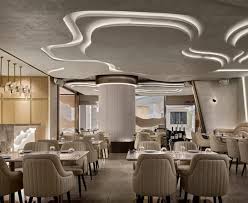
Path Restaurant is one of Singapore’s most talked‑about fine dining destinations, known for its bold menu design, artistic presentations, and culinary philosophy that blends contemporary techniques with regional influences. Situated in the heart of the city’s business district, this restaurant redefines what luxury dining means in the modern era. In this article, we explore everything a diner should know before visiting, from the culinary vision and menu innovations to the ambience, service design, and recommendations for making the experience unforgettable.
Culinary Vision and Philosophy
Path Restaurant is driven by a clear purpose: to celebrate both precision and emotion in every dish. The restaurant’s culinary direction focuses on crafting an immersive journey, where each course highlights a balance of texture, aroma, and cultural resonance. The head chef integrates techniques from classical French cuisine with inspirations drawn from Southeast Asian ingredients and narrative elements. What sets Path apart is its emphasis on creative storytelling through food — where a single dish becomes a chapter in a larger gastronomic narrative.
This artistic approach positions Path not only as a restaurant but also as a creative kitchen laboratory where tradition meets contemporary innovation.
Menu Design and Structure
The menu at Path is primarily tasting menu oriented. Instead of à la carte choices, most diners are invited to explore a curated sequence of courses that together form a cohesive experience. Tasting menus typically range from six to eight courses, though seasonal variations and special editions may offer variations.
The structure of a Path tasting experience usually follows this progression: an amuse‑bouche to awaken the palate, followed by lighter dishes, then richer mains, and finishing with a dessert that creates a memorable sensory closing. Each plate is crafted with an intention that relates to the sequence before and after.
Beyond the sequence, menu design also highlights ingredient narratives. Chefs at Path deliberately source seasonal produce and premium proteins, and they utilize fermentation, reduction, and modernist techniques to amplify natural flavors without diluting their cultural identity. Expect dishes that serve as interpretations of regional ingredients — such as lemongrass, galangal, kaffir lime, or tropical fruits — reimagined through refined plating and textural contrast.
Signature Dishes and Highlights
While the menu evolves, several dishes remain consistent highlights due to their innovation and popularity among diners.
Reimagined Seafood
Seafood at Path is often elevated through unique sauces and carefully balanced textures. Dishes might include regional fish varieties presented with emulsions made from local herbs, citrus, or aromatic spices. Instead of relying on heavy cream or conventional sauces, Path uses reduction techniques and oil infusions that allow the seafood to shine without being overshadowed.
Modern Interpretations of Classic Techniques
Gelification, espuma foams, and multilayered textures are common, but they are used thoughtfully rather than for show. These techniques support the flavor narrative rather than distract from it. This approach creates dishes that feel both familiar and exciting — familiar in the sense of recognizable components, and exciting in the way those components come together.
Dessert Innovations
Desserts at Path frequently play with contrast — temperature, texture, and sweet‑savory balance. Elements such as fruit gels, aerated creams, and spice‑infused reductions tie the dessert course back to the overall tasting narrative. The plating itself turns dessert into a visual and sensory climax of the meal.
Ambience and Design
The interior of Path is designed to evoke both elegance and approachable comfort. Neutral tones, soft lighting, and minimalist décor help direct attention toward the culinary experience rather than excessive visual distraction. Tables are spaced to allow privacy while maintaining an intimate connection between diners and the rhythm of service.
Music is curated to support interaction without overpowering conversation. Soft instrumental or modern ambient tracks are common, complementing the overall mood of refined tranquility.
The open kitchen concept in some sections of the restaurant allows guests to observe the choreography of service, adding an immersive layer to the dining journey. Watching chefs execute intricate techniques in rhythm with course progression enhances engagement and appreciation for the craft.
Service Design and Hospitality
At Path, service is designed to be intuitive and informative without being intrusive. Staff members are trained not just to serve but to guide diners through the story of each dish. Descriptions are delivered with care, emphasizing key ingredients, preparation techniques, and the inspiration behind each course.
Timing between courses is deliberately paced. The intent is to keep diners engaged and comfortable without feeling rushed. This pace enriches the contemplative nature of the experience and aligns with the unhurried environment of high‑end tasting menus.
Attention to detail extends to table settings, glassware selection, and even temperature of plates and utensils. Every element contributes to a cohesive sensory journey.
Wine Pairings and Beverage Program
An important component of the Path experience is its beverage program. Rather than offer a generic wine list, Path often curates pairing options that enhance the sequence of dishes. Pairings may include both Old World and New World wines, carefully selected to match flavor profiles — from crisp, higher acidity wines that lift lighter courses to fuller, textured pairings for richer mains.
For diners who prefer non‑alcoholic options, a parallel beverage pairing experience might be offered. These pairings often use artisanal teas, infusions, house‑made cordials, or specialty soft beverages designed to complement each course’s tone.
Price Point and Value
Fine dining experiences naturally command a premium. The tasting menus at Path are priced to reflect the quality of ingredients, the skill involved in preparation, and the overall immersive experience. While this places Path in a higher price bracket, many diners appreciate the value proposition — not just in flavors, but in the holistic integration of creativity, ambience, and service.
Regular updates to the menu — especially seasonal variations — ensure that returning diners encounter new narratives. Special events, chef collaborations, and festival‑inspired menus provide added reasons for repeat visits.
How to Prepare for Your Visit
Advance planning increases the chances of a smooth and enjoyable experience:
Reservations are highly recommended, especially for weekend dinner services and special occasions. Due to the curated nature of the tasting menus, last‑minute walk‑ins may face limited availability.
If you have dietary restrictions, communicate them at the time of reservation. Path staff are typically able to adjust menus with notice, offering alternative ingredients while maintaining flavor coherence.
Dress code is smart casual to formal, reinforcing the elevated atmosphere while remaining comfortable for most diners.
Ideal Occasions for Visiting Path
Path Restaurant fits a range of special occasions:
Celebratory dinners, anniversaries, and milestone events benefit from the deliberate pacing and narrative style. The curated sequence immerses guests in an experience that feels ceremonial and thoughtful.
Business dining also finds value in Path, particularly for international visitors or clients. The refined environment supports meaningful conversation while the service pace respects time considerations.
For food enthusiasts and culinary explorers, Path provides an opportunity to witness creative expression and refined technique firsthand.
Comparing Path with Other Fine Dining Experiences
What distinguishes Path from other fine dining restaurants in Singapore is its balance between artistic culinary storytelling and approachable elegance. Some establishments focus heavily on avant‑garde techniques; others emphasize cultural authenticity. Path melds these elements by grounding innovation in recognizable flavor components, making the experience both sublime and relatable.
Unlike restaurants that rely exclusively on molecular gastronomy, Path uses technique as a tool rather than as an endpoint. Every plate is designed to tell a story, not just showcase technical prowess.
Recommendations for First‑Time Diners
First‑time visitors should embrace the full tasting experience. Allow yourself time to savour each course, ask questions about the ingredients and inspirations, and engage with the narrative arc of the menu.
Consider pairing options if you are curious about how beverage profiles interact with flavors. The curated pairing journey often unlocks new dimensions in both food and drink.
Reserve a table at least a few weeks in advance to secure your preferred date and time, especially for special occasions.
Conclusion
Path Restaurant stands as a distinguished destination in Singapore’s rich culinary landscape. With its commitment to narrative‑driven tasting menus, impeccable service design, and thoughtful ambience, it offers diners more than a meal — it offers a journey. Whether you’re celebrating a personal milestone or simply exploring innovative cuisine, Path promises an experience that resonates long after the last course is served.
 Global Arena